Industry Knowledge
Material Considerations for Camera Screws
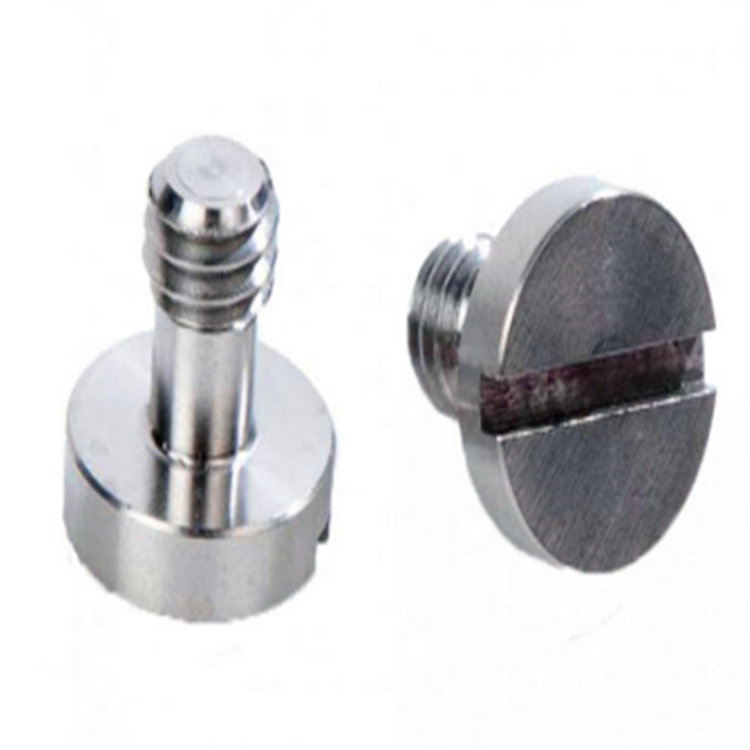
Camera screws are often produced from stainless steel, titanium, or high-strength alloys to ensure durability, corrosion resistance, and lightweight performance. These materials are critical in maintaining the stability of sensitive components like lenses, sensors, and electronic modules, especially in compact digital cameras or high-end DSLRs.
The mechanical properties of screws must account for repeated assembly and disassembly without deformation, ensuring long-term reliability and precise alignment of camera modules.
Precision Threading and Assembly Techniques
Micro-threading is essential for camera screws, allowing secure attachment of delicate components without damaging housings or internal electronics. CNC machining and thread rolling provide consistent threading to reduce stress on thin walls and lightweight camera frames.
- Consistent thread geometry prevents stripping during frequent lens or module adjustments.
- Micro-thread screws support accurate alignment and reduce vibrations that can affect image quality.
- Precision screws facilitate efficient assembly and serviceability in high-volume camera production.
Surface Treatment and Corrosion Protection
Camera screws often receive passivation, anodizing, or black oxide coatings to enhance corrosion resistance and reduce friction during assembly. These treatments are especially important for cameras exposed to outdoor environments, humidity, and temperature changes.
High-quality surface finishes maintain the mechanical integrity of screws while preventing wear in precision threads, which is critical for long-term reliability and consistent performance of camera components.
Comparative Table of Camera Screw Materials
| Property |
Stainless Steel |
Titanium |
High-Strength Alloy |
| Weight |
Moderate |
Light |
Varies |
| Corrosion Resistance |
High |
Excellent |
High |
| Strength |
Good |
High |
Very High |
| Finish Options |
Polished, Passivated |
Anodized, Polished |
Custom Coatings |
Applications and Practical Assembly Tips
Camera screws are used to secure lenses, sensor assemblies, and electronic modules, ensuring stable performance and accurate optical alignment. The precision and consistency of these screws are vital for maintaining high image quality and device reliability.
Proper torque control and precision threading allow for repeatable disassembly and maintenance, supporting long-term serviceability and reducing the risk of misalignment or component damage in both professional and consumer camera equipment.

 English
 Español