Industry Knowledge
Material Selection for Watch Screws
Watch screws are typically manufactured from stainless steel, titanium, or specialized alloys to ensure high corrosion resistance, strength, and longevity. Due to their miniature size, often below 1mm in diameter, the choice of material significantly affects mechanical performance, wear resistance, and precision during assembly.
Alloy composition must also consider thermal expansion properties to maintain stability within the delicate watch mechanisms, ensuring accurate timekeeping under varying temperatures.
Micro-Threading and Precision Engineering
Watch screws require extremely precise threading to secure gears, plates, and other components without creating friction or misalignment. CNC machining and cold heading techniques are employed to produce screws with exact thread pitch and consistent tolerances, minimizing the risk of damaging delicate internal mechanisms.
- Micro-thread screws improve alignment of watch movements and reduce wear over time.
- Consistent thread geometry ensures smooth assembly and prevents backlash in the gear train.
- Precision engineering allows for reliable disassembly and maintenance without affecting overall accuracy.
Surface Treatment and Corrosion Resistance
Surface treatments such as passivation, polishing, or black oxide coating enhance corrosion resistance and reduce friction. This is particularly critical for wristwatches that may be exposed to sweat, humidity, or contact with water.
High-quality finishing not only protects mechanical function but also maintains aesthetic appeal, especially for visible screws in luxury watch designs.
Comparative Table of Watch Screw Materials
| Property |
Stainless Steel |
Titanium |
Special Alloy |
| Weight |
Moderate |
Light |
Varies |
| Corrosion Resistance |
High |
Excellent |
Very High |
| Strength |
Good |
High |
Moderate to High |
| Finish Options |
Polished, Passivated |
Anodized, Polished |
Custom Coatings |
Applications and Maintenance in Watchmaking
Watch screws are essential for securing plates, bridges, gears, and hands within mechanical and quartz movements. The precision of each screw directly affects timekeeping accuracy and movement stability. Miniature screws, often below 0.6mm in diameter, require specialized tools and techniques for assembly and maintenance.
Regular inspection and proper torque application prevent loosening and wear. Using precision screws produced to exact tolerances allows watchmakers to assemble complex movements reliably while maintaining aesthetic and functional excellence in high-end timepieces.

 English
 Español
.jpg "Customized M0.6~M1.0 small micro screw for smart watch")
.jpg "High precision black oxide M1.4 slotted flat head small screw")
.jpg "High precision m0.8(m0.6-m2 available) micro mini miniature screw for electronics")
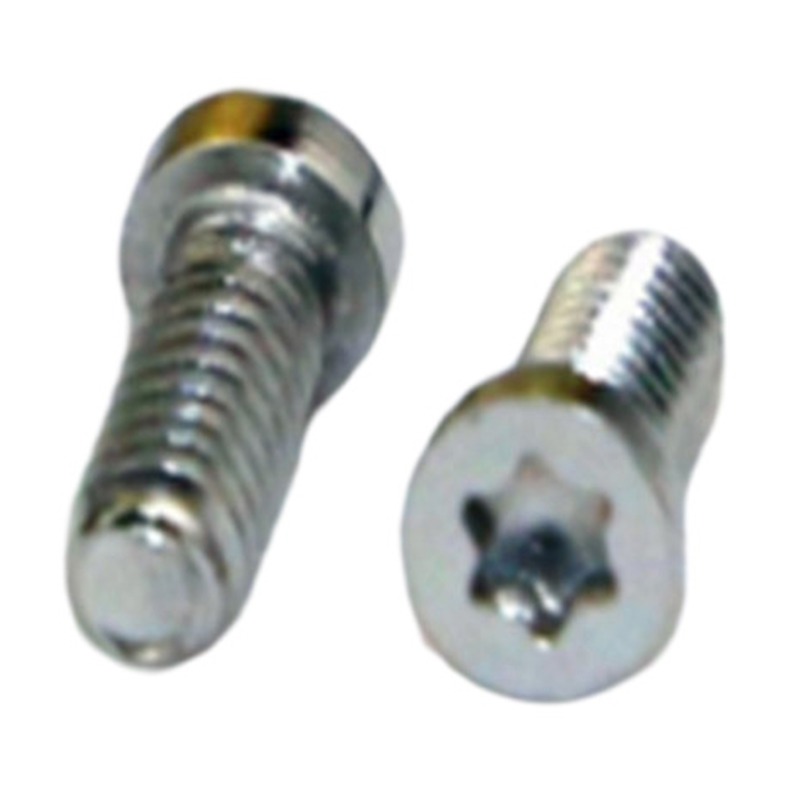
.jpg "Hot sale M1.4 brass pan head slotted mini small micro screw")
.jpg "M1.6 stainless steel small mini torx electronics screw for watch")
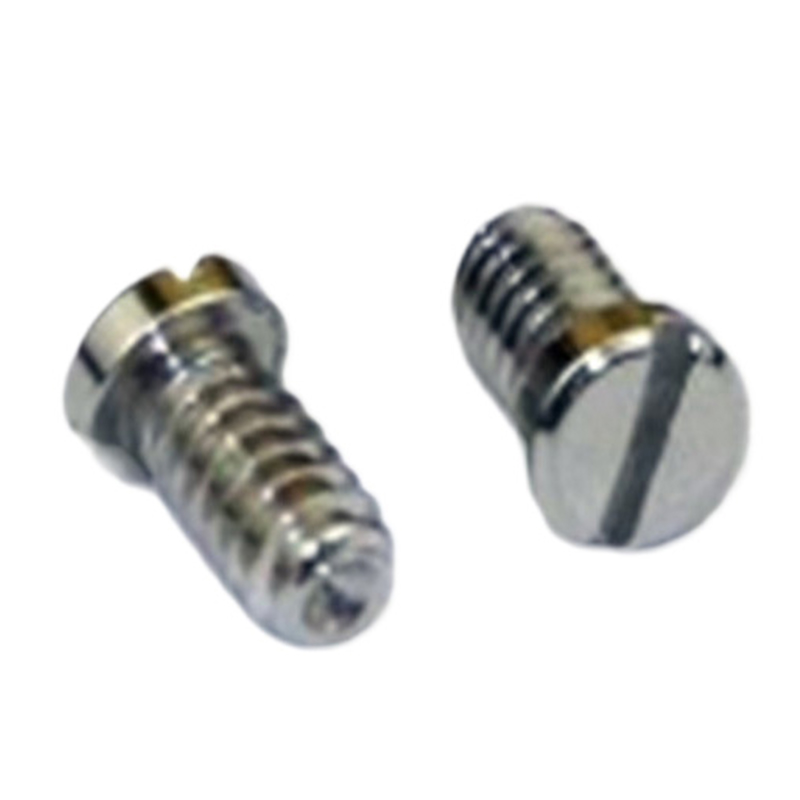
.jpg "Wholesale brass watch laptop rivet micro round head screw")