Telephone: +86-0512-65028068
Content
Choosing the best anchors for concrete block is not about finding one universal product. A hollow, ungrouted block wall behaves very differently from a solid or grout-filled wall. The same anchor that holds well in filled block can spin, crack the face shell, or pull out of an empty one.
We work with fasteners every day, and the most common mistake is treating “concrete block” as one material. Block varies by thickness, core shape, grout fill, age, and exposure. The right anchor respects those differences.
Concrete block, often called CMU, is made with hollow cores. Some walls are left hollow; others are grout-filled and may contain rebar. Grout-filled block can accept anchors that rely on compression, similar to solid concrete. Unfilled block cannot. In an unfilled block, the load may rest on only the front face shell, which is often about an inch thick. An anchor that expands inside that thin shell can crack it or lose hold.
That is why wedge anchors and standard sleeve anchors are usually poor choices for hollow block. They expand against a solid mass. In hollow block, the expansion has nowhere to go. Better options either bear against the back of the wall, bond with adhesive, or spread the load across a wider area.
Before you choose a product, answer a few practical questions.
If you are unsure about the first question, find out before drilling. When the wall is structural or the load is heavy, involve a qualified engineer.
When block is solid or fully grouted, concrete screw anchors can work well for light to medium loads. They cut threads into the base material and hold through mechanical interlock. Sleeve anchors can also work in grout-filled block if the hole is drilled correctly and the grout is strong. Wedge anchors are best reserved for solid concrete, not block, unless an engineer approves them.
Machine screw anchors and drop-in anchors are another option in solid or grout-filled block. They accept a machine bolt, which helps when a fixture must be removed and reinstalled. The block must be solid enough to carry the expansion force.
For hollow block, toggle-style anchors are often the most practical mechanical solution. A toggle bolt or snap toggle opens behind the wall and spreads the load over a larger area. This makes it good for medium loads such as shelves, brackets, and wall cabinets, provided the face shell is in good condition. The anchor must be long enough to pass through the block and open fully.
Chemical anchors with screen tubes are another strong option. The screen holds the adhesive in place while it cures, and the threaded rod or bolt can carry medium to heavy loads. This approach works well in cracked or irregular block because the adhesive bonds to rough surfaces. It takes more preparation, and cure time must be respected, but it is often the most reliable choice for demanding hollow-block applications.
For light loads, plastic or nylon wall plugs can be acceptable in block, especially if the plug is designed for hollow walls. They are not right for overhead loads, vibration, or anything that could hurt someone if it falls. Use corrosion-resistant screws, and do not overtighten.
Anchor selection does not stop at the base material. Outdoor block walls, coastal areas, and damp interiors need corrosion-resistant fasteners. Stainless steel 304 or 316 is common for exposed work, while hot-dip galvanized or zinc-plated fasteners may suit drier conditions. If the fastener is visible, the finish matters too.
Vibration can loosen mechanical anchors over time. In those cases, use a chemical anchor, a locking fastener, or a thread-locking feature such as a nylon patch. A washer under the head or nut also spreads the load and protects the fixture surface.
The best anchor can fail if it is installed poorly. Drill the hole at the specified diameter. Do not use a worn bit that makes the hole too large. Clean dust from the hole, especially for chemical anchors. Follow the anchor maker’s embedment depth and torque values. In hollow block, do not over-torque or you may crush the face shell. Use a washer when the fixture material is soft or the hole is slotted.
For overhead work, choose an anchor with a mechanical lock or chemical bond, and use a safety factor. If the block is old, crumbly, or painted, test the anchor with a proof load before trusting it. When in doubt, add more anchor points rather than relying on one large anchor.
| Anchor type | Best for | Typical load | Main caution |
|---|---|---|---|
| Concrete screw anchor | Solid or grout-filled block | Light to medium | Not for hollow face shells |
| Sleeve anchor | Solid concrete and grout-filled block | Medium to heavy | Can crush hollow block |
| Wedge anchor | Solid concrete only | Heavy | Avoid in hollow block |
| Toggle bolt or snap toggle | Hollow or unfilled block | Light to medium | Must open behind wall |
| Chemical anchor with screen tube | Hollow, cracked, or irregular block | Medium to heavy | Cleaning and cure time matter |
| Plastic or nylon wall plug | Light fixtures in block | Light | Limited holding power |
The table is a starting point, not a substitute for engineering judgment.
Even the best anchor system depends on the smaller parts around it. A chemical anchor uses a threaded rod, nut, and washer. A machine screw anchor uses a bolt. A toggle anchor uses a machine screw. If any component is the wrong length, material, or finish, the installation suffers.
Our team at Suzhou Anzhikou Hardware Technology Co., Ltd. manufactures precision screws and custom fasteners for industrial buyers. We are not an anchor brand, but we supply many components that anchor systems rely on, including stainless steel hex bolts, ISO 7091 flat washers, and DIN 934 hex nuts. You can learn more about our background on our about page.
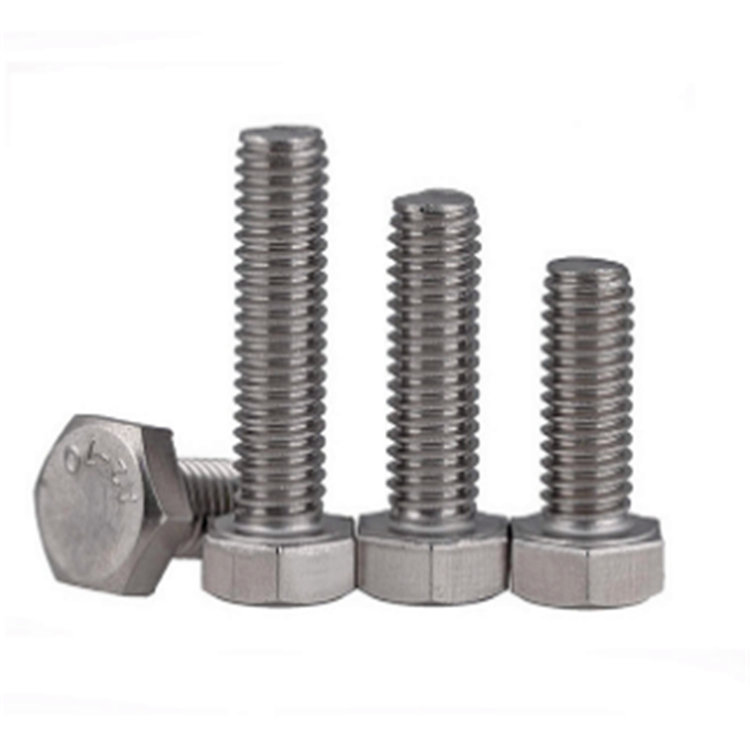 DIN933 Stainless Steel Hex Head Bolt A2-70 A4-80Stainless steel hex head bolt in A2-70/A4-80, customizable to DIN/ISO standards, suited to anchor and fixture assemblies requiring early grade, thread, and finish choices.View Product →
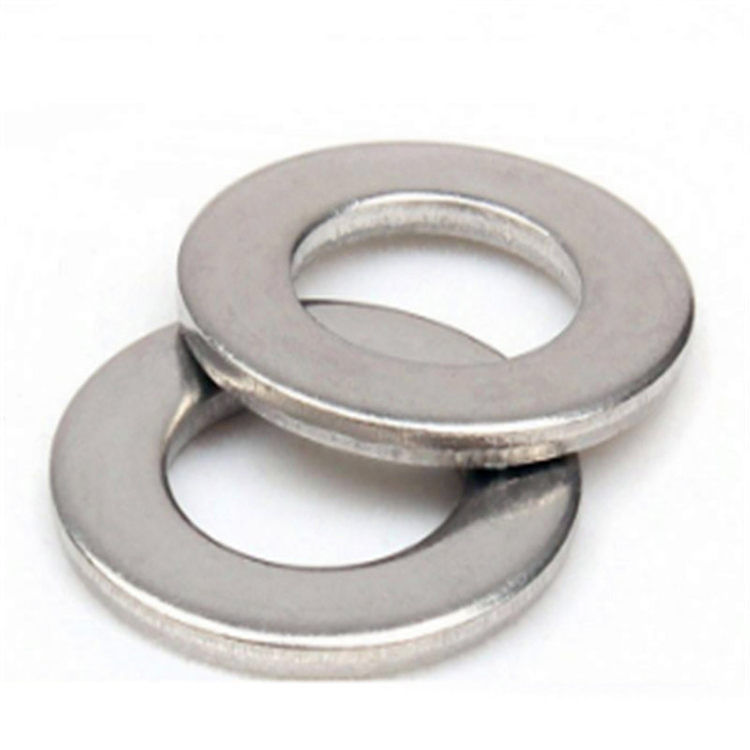 ISO 7091 Stainless Steel 304 Flat Plain WasherFlat plain washer in stainless steel 304, customizable to ISO/JIS/DIN/GB/ANSI/BS standards, useful when matching washer diameter to fixture slots or holes.View Product →
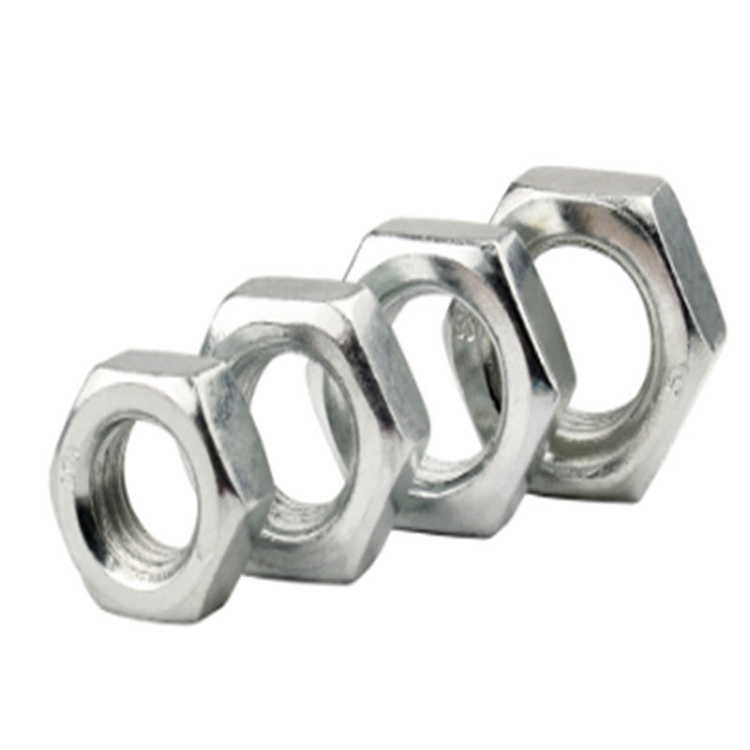 DIN934 ISO 4032 Carbon Steel Hex Nut M3-M10Carbon steel hex nut for M3 to M10 sizes, made to DIN934 and ISO 4032, with customizable dimensions and finishes for nut-and-washer fastening needs.View Product →
If you are building a fixture that will be anchored to block, choosing the right bolt grade, thread, and finish early can save time later. It also helps to match the washer diameter to the slot or hole in the fixture.
Sometimes the best anchor for concrete block is not a catalog item at all. A custom bracket, deep fixture, or unusual exposure condition may call for a special length, head shape, thread, or material. A long threaded rod with a specific finish, or a bolt with a reduced head, may be needed to fit inside a tight channel.
That is where a custom fastener supplier can help. If you have drawings or samples, we can review the thread, material, and finish. Visit our OEM page to see how the process works. The earlier you involve the fastener supplier, the fewer surprises you will have on site.
There is no single best anchor for concrete block. There is only the best anchor for your block, load, and environment. Start by confirming whether the block is hollow or grout-filled. Use toggle anchors or chemical anchors with screen tubes for hollow block. Use concrete screws, sleeve anchors, or machine screw anchors only when the block is solid or properly grouted. Choose corrosion-resistant materials outdoors, and do not overtighten.
If you remember one rule, make it this: the anchor must match the base material first, and the load second. Everything else, including the screw, bolt, nut, and washer, supports that match. Get those basics right and your installation will be safer, stronger, and easier to trust.
CONTACT DETAILS

Address:NO. 248-2 Changhongbei Road, Luzhi Town, Wu zhong District,Suzhou City, Jiangsu Province,China.
TEL:+86-13913588597
PRODUCTS
MOBILE TERMINAL




 English
 Español