About ANZK

Interpretation of Made in China.

READ MORE

Focused on high precision screws and custom nonstand screws manufacturers

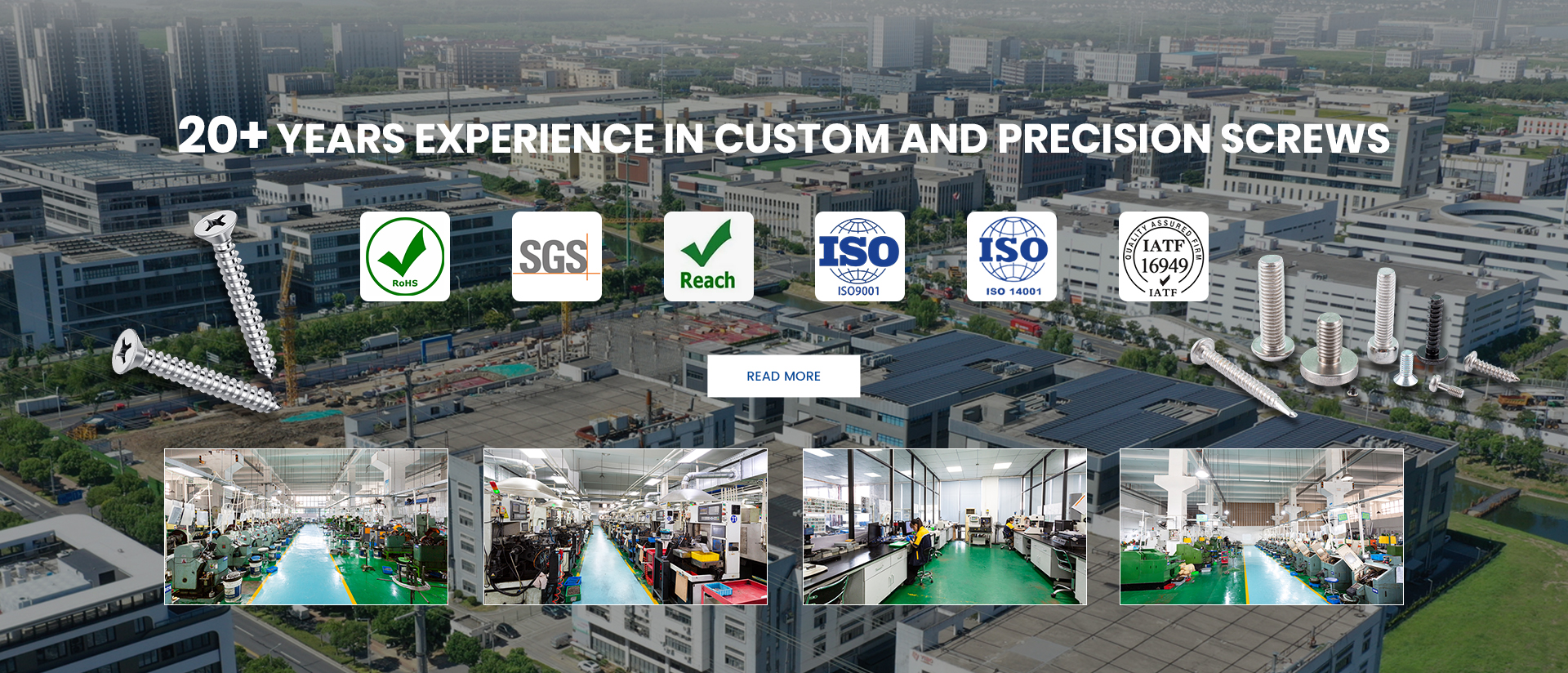
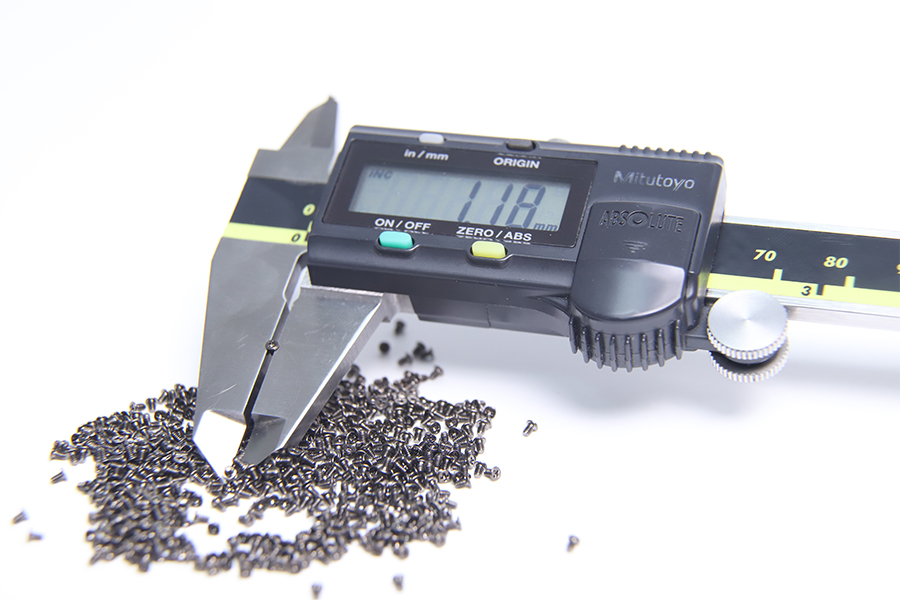
Suzhou Anzhikou Hardware Technology Co., Ltd. is a manufacturer integrating the development, production, and sales of precision screws.
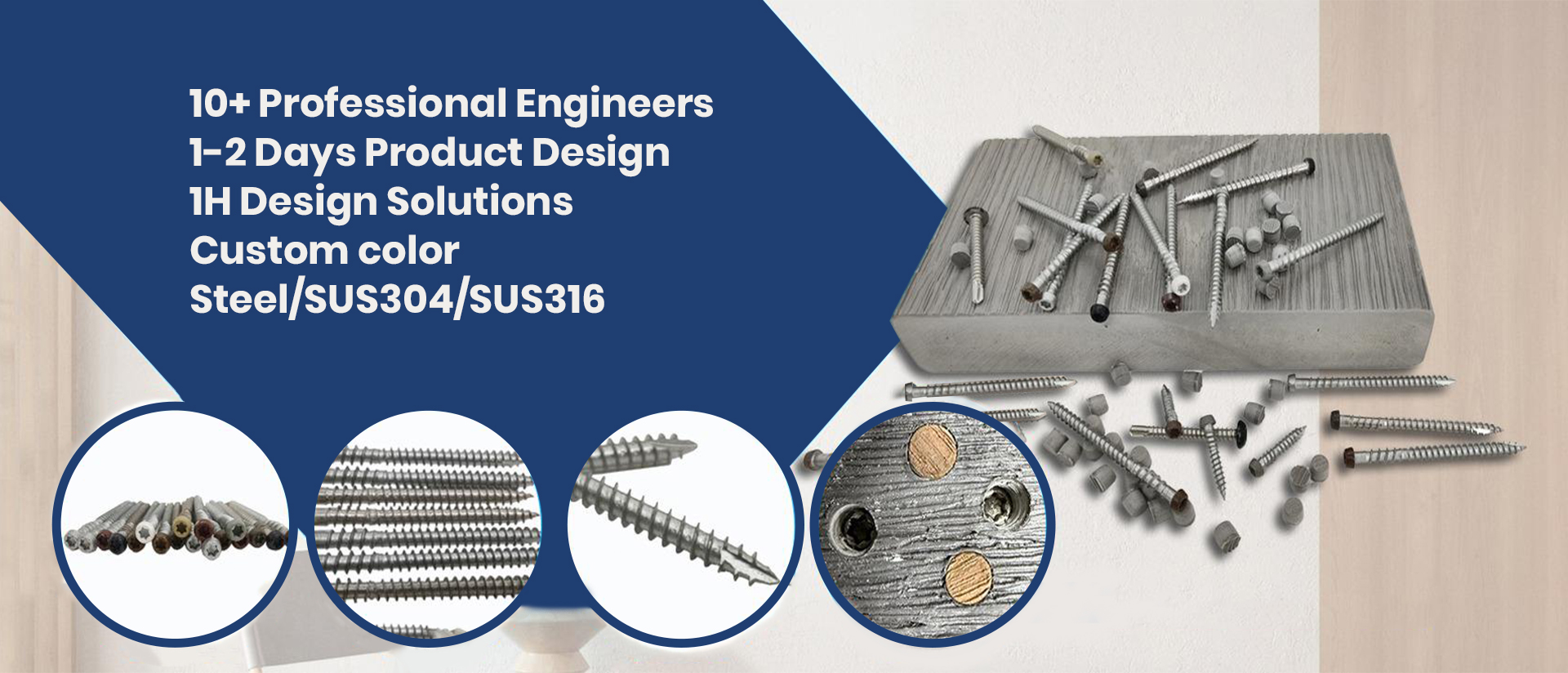
With 20 years of experience in industrial production and R&D, and 10 engineering technicians with 20 years of industry experience, the company can customize various non-standard screws according to customers' different quality and quantity requirements. Suzhou Anzhi Precision Screws are of excellent quality and are sold in more than 40 countries and regions worldwide.
  • 0 +

    Custom Screw Expertise

  • 0

    Manufacturing Facility

  • 0 +

    Precision Machines

  • 0 +

    Exporting Country

From Design to Detail
Cold heading, thread rolling, CNC, and anti-loosening treatments—engineered for accuracy and durability.

READ MORE
Suzhou Anzhikou Hardware Technology Co., Ltd.
  • Suzhou Anzhikou Hardware Technology Co., Ltd. Cold Heading
  • Suzhou Anzhikou Hardware Technology Co., Ltd. Thread Rolling
  • Suzhou Anzhikou Hardware Technology Co., Ltd. CNC Machining
  • Suzhou Anzhikou Hardware Technology Co., Ltd. Anti-Loosening Process
The Application Scenarios
of Our Screws
Suzhou Anzhikou Hardware Technology Co., Ltd.
  • Suzhou Anzhikou Hardware Technology Co., Ltd.
    Suzhou Anzhikou Hardware Technology Co., Ltd.
    It is used for fastening connections in automotive electronic systems, in-vehicle equipment, precision components, and r...
  • Suzhou Anzhikou Hardware Technology Co., Ltd.
    Suzhou Anzhikou Hardware Technology Co., Ltd.
    Used in medical equipment, precision instruments, medical testing equipment, and other products that require high-dimens...
  • Suzhou Anzhikou Hardware Technology Co., Ltd.
    Suzhou Anzhikou Hardware Technology Co., Ltd.
    It is widely used in the structural fixing and precision assembly of smartphones, computers, tablets, wearable devices a...
  • Suzhou Anzhikou Hardware Technology Co., Ltd.
    Suzhou Anzhikou Hardware Technology Co., Ltd.
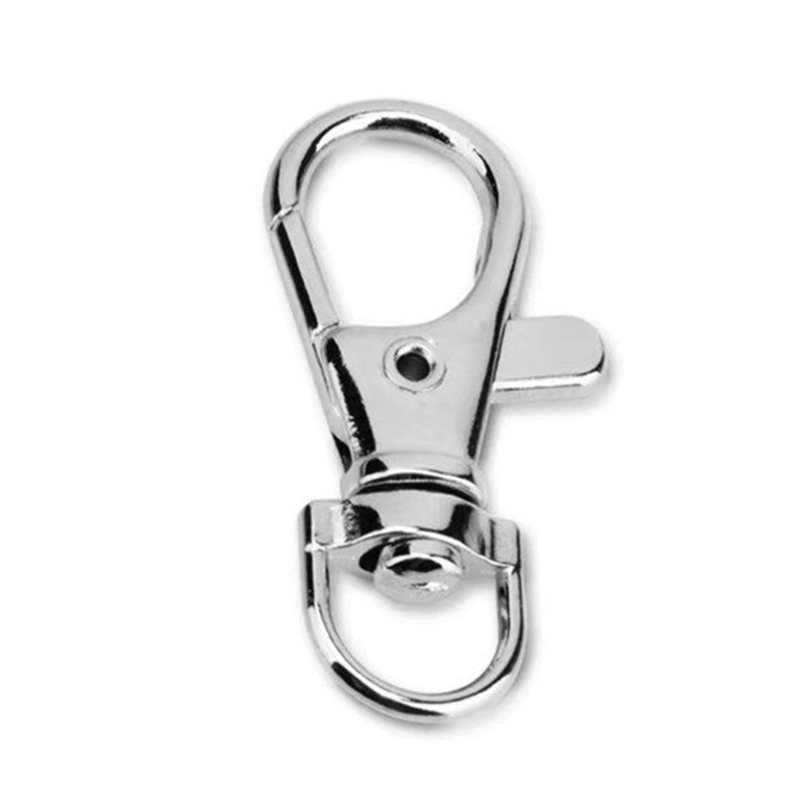
    It is mainly used for fixing and connecting metal fasteners, locks, nameplates, decorative parts and other hardware acce...
  • Suzhou Anzhikou Hardware Technology Co., Ltd.
    Suzhou Anzhikou Hardware Technology Co., Ltd.
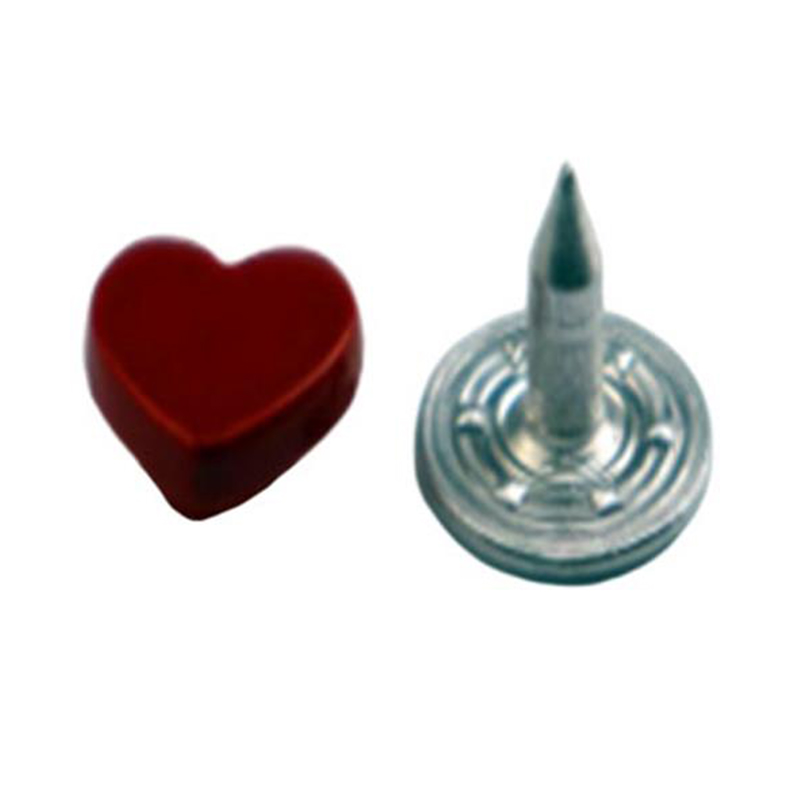
    Decorative screws, beautiful exposed parts, used in furniture, luggage, kitchen, bathroom and other fields.

Test and Quality

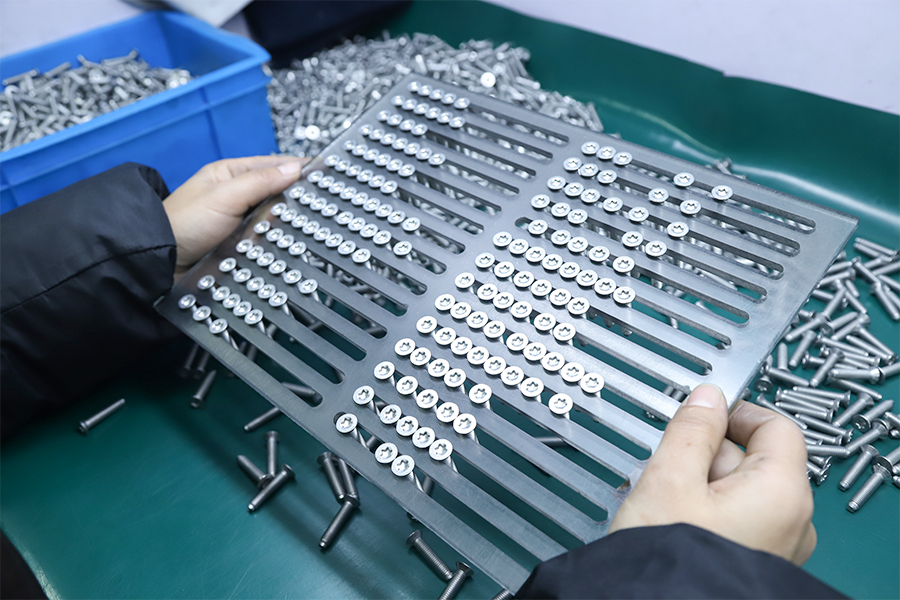
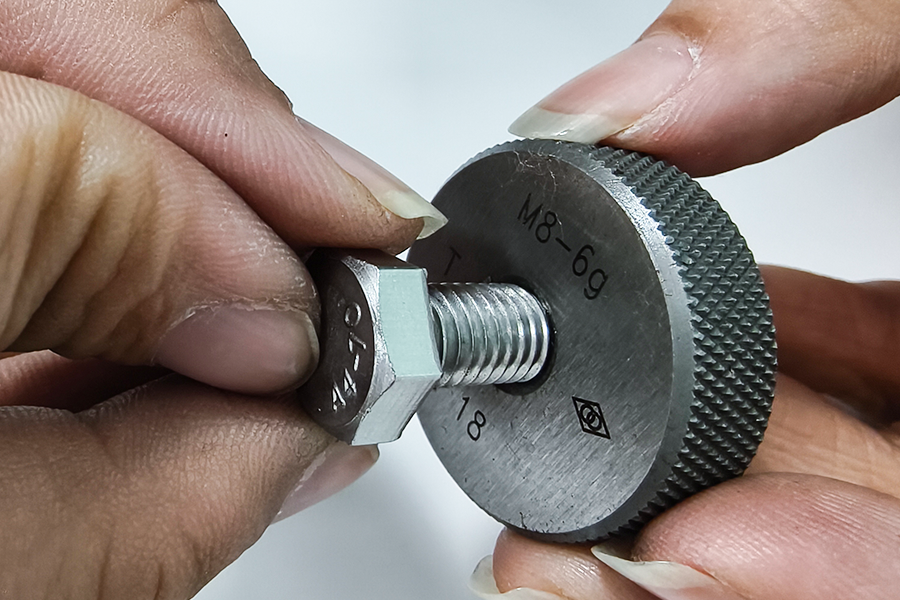
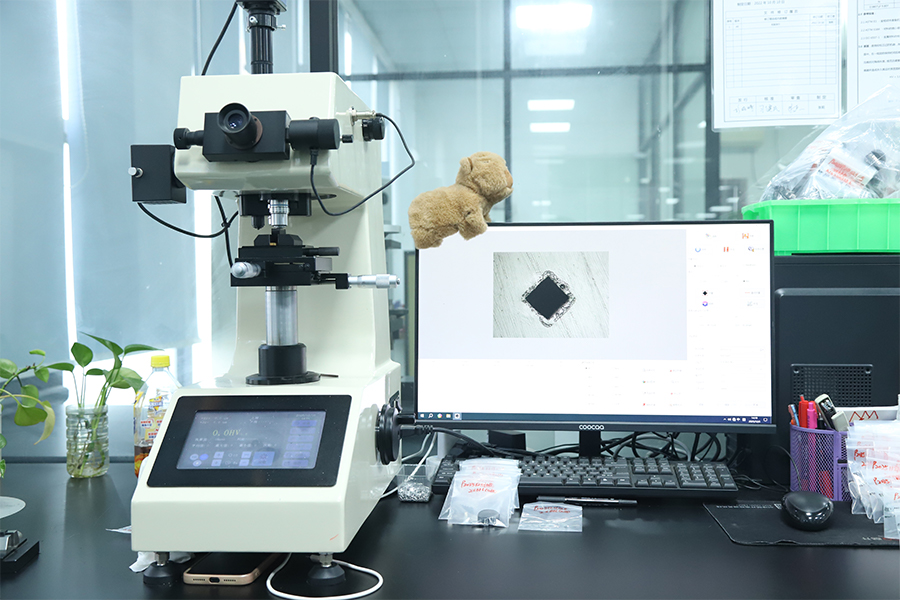
We adhere to development driven by technological innovation, continuously introduce advanced production equipment and precision machining processes, and build a complete production system for cold heading, thread rolling, CNC machining and anti-loosening treatment to achieve stable mass production of miniature and high-precision screws.
  • Go&no-Go Gage Testing

  • Hardness Testing

  • Manual Selection

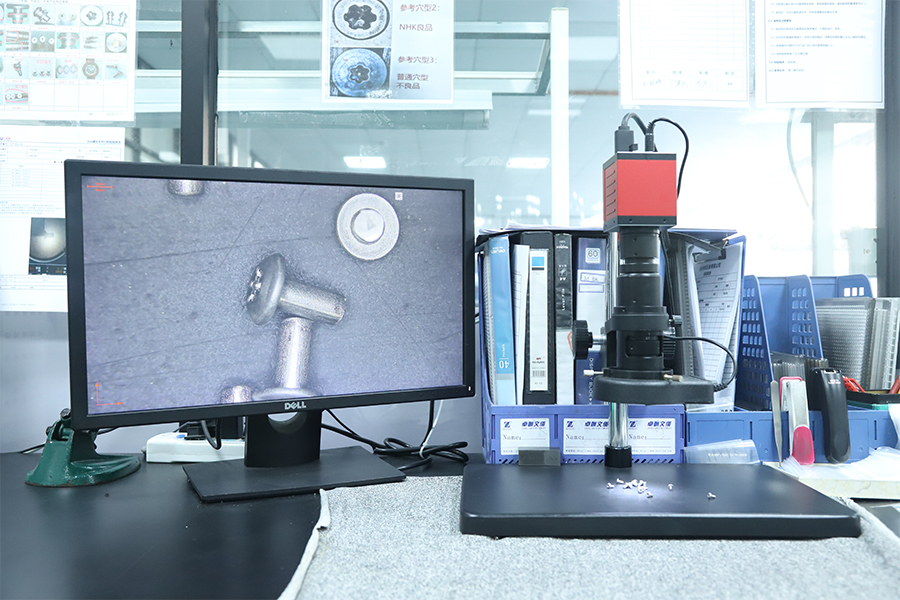
  • Microscope Testing

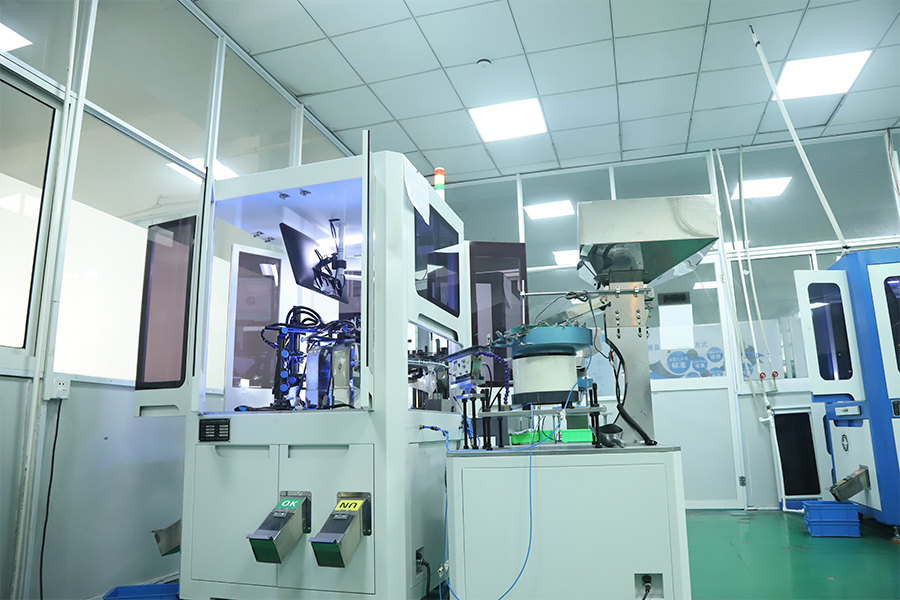
  • Optical Sorting Machines Screening

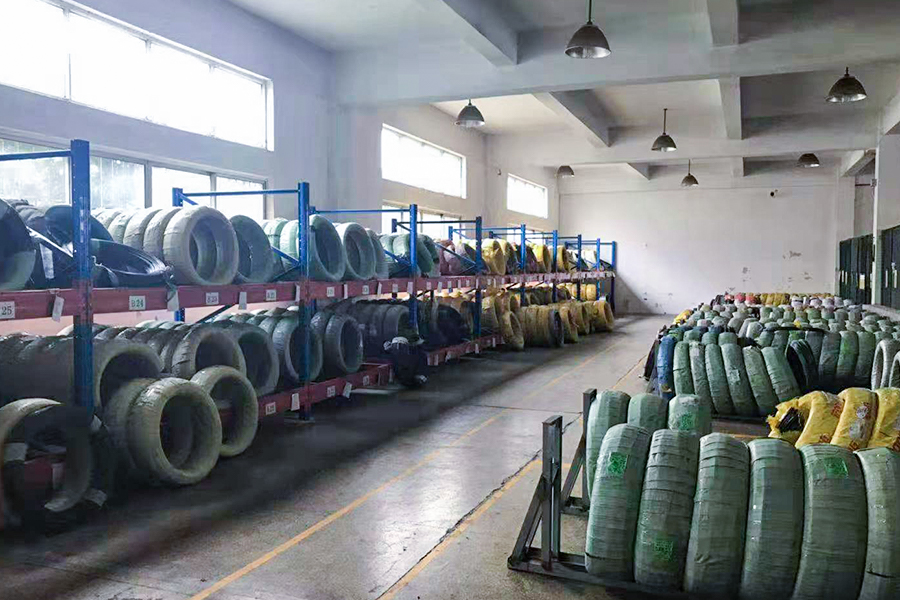
  • Raw Material

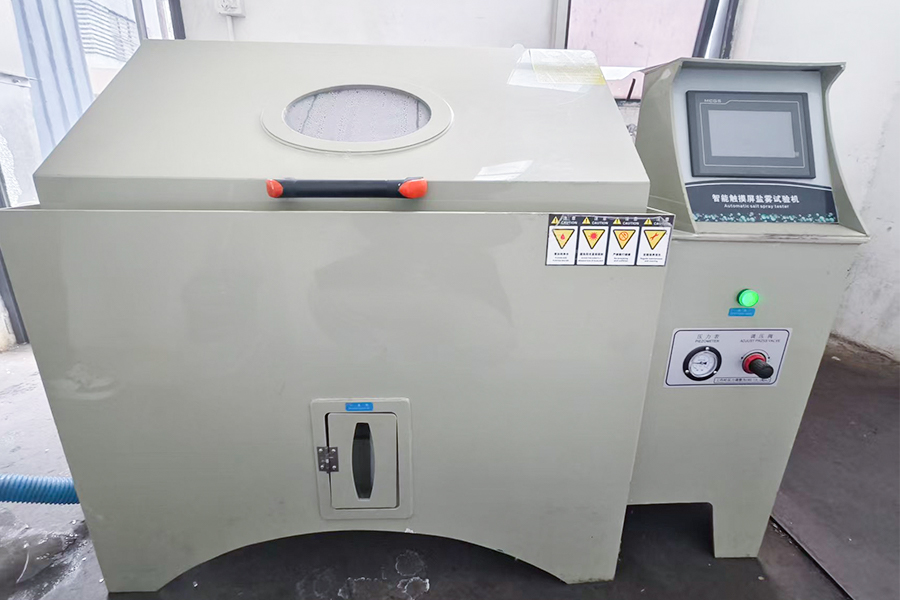
  • Salt Spary Testing

  • Size Detection

Our Comprehensive Services

With precision manufacturing as its core and relying on advanced equipment and a professional team, we provide one-stop fastener solutions.

READ MORE
  • Industrial Expertise Forged Over Two Decades Industrial Expertise Forged Over Two Decades

    With 20 years of dedicated focus on the research and development and manufacturing of precision screws, we have a senior engineering and technical team and possess mature processes and stable production management capabilities.

  • Precision-Crafted Core Components Precision-Crafted, Certified Components

    Certified by ISO9001:2015 quality management system and equipped with comprehensive testing equipment, we strictly control the entire process from raw materials to finished products to ensure stable and reliable quality.

  • Customized Solutions Customized Engineering Solutions

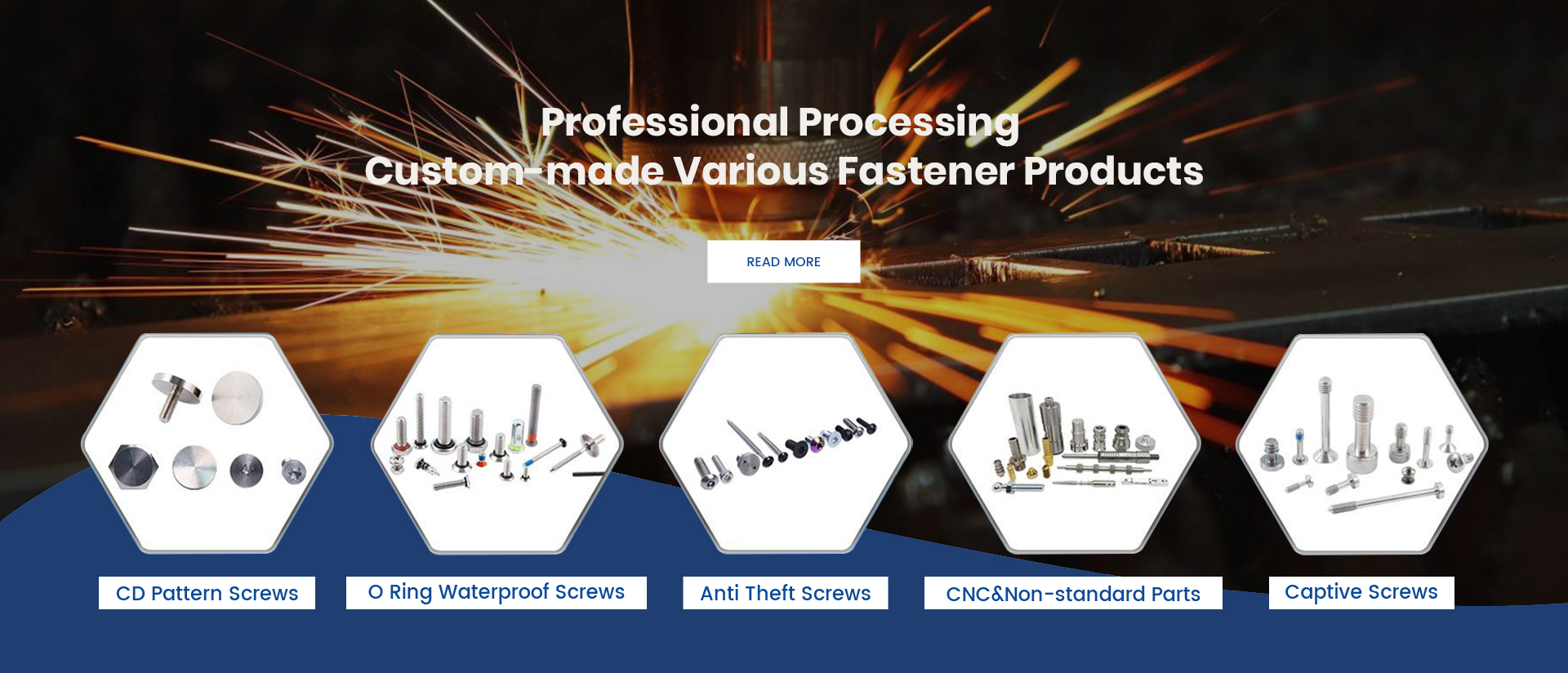
    We support the customization of various non-standard screws, and can quickly produce samples and mass-produce them according to customer drawings or samples to meet different quality and quantity requirements.

  • Upgrades and Retrofits Sufficient Production Capacity Guarantee

    With ample annual production capacity for both standard and non-standard parts, and a stable and efficient delivery cycle, we help customers shorten their procurement cycle.

  • Installation and Maintenance Global Technical Support & Maintenance

    Our products are sold to more than 40 countries and regions, and have won the long-term trust of customers at home and abroad with their high quality and cost performance.

  • Technical Consulting Expert After-Sales Consulting

    Our dedicated after-sales team, comprised of senior technical engineers, is committed to delivering rapid and thoughtful support to resolve your issues efficiently.

News Center
Provide you with the latest enterprise and industry news
READ MORE
  • Company news
    Mar 27,2025
    When it comes to black screws, many customers are curious about how to make the surface of the screws black and what specific material the black screws are made of. Let's follow the steps of Anzhikou Screw Manufacturer to take a look: In fact, there are generally two common materials for making the surface of screws black. One is iron material. Since iron screws have poor anti-rust and corrosion resistance, surface treatment is needed to enhance their anti-rust and corrosion resistance. The other is stainless steel material. Usually, stainless steel is made black through surface treatments such as high-temperature blackening, black electrophoresis, QPQ blackening, or vacuum black electroplating, etc. The cost is relatively higher compared to iron material. The above two materials are the commonly used by customers for black electroplating treatment. Of course, we also can make brass, aluminum and titanium in black! As a manufacturer with over twenty years of experience in screw production and customization, Suzhou Anzhikou Hardware Technology Co., Ltd. can not only provide black screws but also offer various electroplating treatment processes such as gold, copper plating, and color zinc plating according to customer needs. We can tailor solutions to meet your requirements and provide suitable fastener solutions.

    +

    Explore More
  • Company news
    Mar 27,2025
    The salt spray test is a simulation of the surrounding environment, using a salt spray testing machine to artificially accelerate the salt spray environment to assess the anti-corrosion performance of electroplated carbon steel screws. It is well known that metal products will be oxidized in the air, with some taking a long time and others a short time. The salt spray test accelerates this process under the same environmental conditions and compares the degree of corrosion of carbon steel screws within the same time period to determine whether the product meets the usage requirements. Artificial salt spray tests include neutral salt spray tests, acetic acid salt spray tests, copper salt-accelerated acetic acid salt spray tests, and alternating salt spray tests. The requirements for salt spray tests are generally proposed by customers based on the usage of their products. For example, carbon steel screws used in automobiles usually require salt spray tests to last for 72 to 148 hours. It is known that the material of carbon steel screws does not have anti-rust and corrosion-resistant properties. If carbon steel screws are to have anti-rust and corrosion-resistant properties, the requirements for salt spray tests are related to the surface treatment of carbon steel screws, and surface processing is required. This isolates the carbon steel screws from the outside world, playing an anti-rust role. Therefore, electroplating treatment is needed, such as blackening, zinc plating, nickel plating, and zinc-nickel alloy plating, etc. Carbon steel screws that have undergone electroplating treatment are undoubtedly much better at anti-rust than raw materials. Suzhou Anzhikou Hardware Technology Co., Ltd. has 20 years of production experience and can customize according to customer needs, providing you with suitable fastener solutions.

    +

    Explore More
  • Industry News
    Mar 25,2024
    The visibility of screws on a belt depends on the design of the belt buckle and how it attaches to the belt strap. Here are the two primary scenarios: Visible Screws: In many belts, especially those with traditional buckle designs, the screws used to attach the buckle to the belt strap are often visible when the belt is worn. These screws may be located on the front or underside of the belt, depending on the buckle design. Visible screws can add a rugged or industrial aesthetic to the belt and are sometimes intentionally showcased as part of the belt's design. Hidden Screws: Some belt designs feature hidden screws, where the leather belt screw used to attach the buckle are concealed from view when the belt is worn. This can create a cleaner and more streamlined appearance, especially for belts with minimalist or modern buckle designs.  Hidden screws contribute to a sleeker look and may be preferred in formal or dressy settings where a polished appearance is desired. The choice between visible and hidden screws often depends on the overall style and aesthetic preferences of the wearer. While visible screws can add character and visual interest to a belt, hidden screws offer a more polished and refined look. Ultimately, whether screws are visible or hidden is a design choice made by the manufacturer and may vary among different belt styles and brands.

    +

    Explore More
  • Industry News
    Mar 20,2024
    The impact of screws on the comfort of wearing a belt can vary depending on several factors including the design of the belt, the placement of the screws, and the materials used in the screws. Here are some considerations: Screw Placement: If the screws are positioned in a way that they protrude or press against the wearer's body, they may cause discomfort, especially if the wearer sits for extended periods or wears tight clothing. Screw Size and Shape: Large or protruding screws may dig into the skin or cause irritation, whereas smaller, low-profile screws are less likely to cause discomfort. Materials Used: The material of the screws can also impact comfort. For example, stainless steel or brass screws with smooth edges are less likely to cause irritation compared to screws with rough or sharp edges. Buckle Design: The design of the buckle, including the size and shape of the buckle as well as the attachment method (e.g., single prong, double prong, plaque buckle), can influence how the belt sits against the body and whether the screws contribute to discomfort. Belt Thickness and Flexibility: Thicker or stiffer belts may have less flexibility, which could exacerbate any discomfort caused by the screws. Conversely, thinner and more flexible belts may conform better to the body, reducing the likelihood of discomfort. In general, well-designed belts with properly positioned and sized screws made from smooth materials are less likely to affect comfort during wear. However, individual preferences and sensitivities can vary, so it's essential for wearers to try on belts and assess comfort before making a purchase, particularly if they anticipate wearing the belt for extended periods.

    +

    Explore More
  • Industry News
    Mar 15,2024
    There can be special designs for belt screws depending on the manufacturer, the style of the belt, and the preferences of the wearer. Some common design variations for belt screws include: Head Style: Belt screws may feature different head styles such as flat heads, round heads, or decorative heads. The head style can impact the aesthetic appearance of the buckle and complement the overall design of the belt. Finish: Screws may have different finishes such as polished, brushed, matte, or textured finishes. The finish of the screws can add visual interest and enhance the overall look of the belt. Decorative Elements: Some belt screws may incorporate decorative elements such as engravings, patterns, or insets of stones or other materials to add a unique touch to the buckle design. Hidden Screws: In some belt designs, screws may be hidden from view to create a seamless and minimalist appearance. Hidden screws can contribute to a sleek and modern aesthetic. Functional Design Features: Certain belt screw designs may include functional features such as quick-release mechanisms or locking mechanisms for added convenience and security. Customization Options: Some manufacturers may offer customization options for belt screws, allowing customers to choose specific designs, materials, finishes, or sizes to suit their preferences. The design of belt screws can vary widely depending on factors such as the style of the belt, the intended use, and the desired aesthetic. Manufacturers may offer a range of design options to cater to different tastes and preferences in the market.

    +

    Explore More
  • Industry News
    Mar 08,2024
    Using different materials for belt screws offers various advantages depending on the specific needs and preferences of the user. Here are some advantages of different materials commonly used for belt screws: Stainless Steel: Durability: Stainless steel screws are known for their high strength and durability, making them resistant to bending, breaking, and corrosion. Corrosion resistance: Stainless steel is highly resistant to rust and corrosion, making it suitable for belts worn in humid or wet environments. Longevity: Stainless steel screws typically have a long lifespan, providing reliable fastening for the belt buckle over time. Wide availability: Stainless steel screws are widely available and come in various sizes and designs to suit different belt styles. Brass: Aesthetic appeal: Brass screws offer a classic, elegant appearance that can enhance the overall look of the belt, particularly in formal or dressy settings. Corrosion resistance: Like stainless steel, brass is resistant to corrosion, making it suitable for belts worn in various conditions. Patina development: Brass develops a natural patina over time, adding character and uniqueness to the belt's appearance. Warmth of color: Brass has a warm, golden hue that complements many leather colors and styles, adding visual interest to the belt. Other Materials (e.g., Nickel, Zinc, Aluminum): Cost-effectiveness: Depending on the specific material, screws made from nickel, zinc, or aluminum may offer cost advantages compared to stainless steel or brass. Weight considerations: Some alternative materials may be lighter in weight, which can be advantageous for individuals seeking a lightweight belt option. Specific aesthetic preferences: Certain materials may offer unique aesthetic qualities or finishes that cater to specific design preferences or styles. The choice of material for belt screws depends on factors such as durability, corrosion resistance, aesthetic appeal, and budget considerations, as well as the intended use and style of the belt.

    +

    Explore More
  • Industry News
    Feb 26,2024
    Tamper screws play a crucial role in enhancing the security of systems and devices, particularly in applications where preventing unauthorized access or tampering is essential. Here's how tamper screws are commonly used in security systems or devices: Access Control Panels: Access control panels, which manage entry and exit points in secure areas, often use tamper-resistant screws to secure the enclosure. Tamper screws help prevent unauthorized individuals from gaining access to the control panel's internal components. Alarm Systems: Tamper screws are employed in the assembly of alarm system components, such as control panels and sensors. By securing the housing with tamper-resistant fasteners, attempts to open or disable the alarm system can be deterred. Surveillance Cameras: Security cameras, especially those in public spaces or critical infrastructure, use tamper-resistant screws to secure the camera housing. This prevents individuals from tampering with or adjusting the camera's position, ensuring reliable surveillance. Electronic Locks: Electronic locks, used in access control and secure entry systems, often incorporate tamper-resistant screws to secure the lock components. This helps prevent tampering that could compromise the security of the locking mechanism. Biometric Devices: Biometric devices, such as fingerprint scanners or retina scanners, may use tamper screws to secure the casing and internal components. This ensures the integrity of the biometric data and prevents unauthorized access to sensitive information. Safes and Vaults: Tamper-resistant screws are commonly used in the construction of safes and vaults. They secure the various components of the safe, making it more difficult for intruders to gain access to valuables or confidential documents. Networking Equipment: Networking equipment, including routers, switches, and communication devices, may use tamper-resistant screws to secure access points and prevent unauthorized individuals from tampering with critical network infrastructure. Elevator Control Panels: Elevator control panels, especially those in secure or restricted-access buildings, may be secured using tamper-resistant screws to prevent unauthorized access or tampering with the elevator's operation. ATMs (Automated Teller Machines): ATMs, which handle financial transactions, often use tamper-resistant screws to secure access panels and internal components. This helps protect the integrity of the ATM and prevents unauthorized individuals from tampering with cash dispensing mechanisms. Critical Infrastructure: Tamper screws are used in critical infrastructure components, such as power distribution systems, communication hubs, and utility controls. Securing these components with tamper-resistant fasteners is crucial to maintaining the integrity and reliability of essential services. Electronic Voting Machines: Electronic voting machines may utilize tamper-resistant screws to secure the housing and internal components, ensuring the integrity of the voting system and preventing unauthorized access or tampering during elections. In each of these applications, tamper-resistant screws serve as a physical barrier against tampering, vandalism, or unauthorized access. Their use enhances the overall security of systems and devices, providing a reliable means of protecting critical infrastructure,  sensitive information, and valuable assets. The specific choice of tamper-resistant screws depends on the security requirements of the application and the level of protection needed.

    +

    Explore More
  • Industry News
    Feb 23,2024
    Tamper-resistant screws enhance security compared to regular screws by incorporating features that make unauthorized removal or tampering more challenging. These security enhancements are designed to deter tampering attempts and provide an additional layer of protection. Here are ways in which tamper-resistant screws enhance security: Specialized Head Designs: Tamper-resistant screws have unique head designs that deviate from standard Phillips, flat, or hex shapes. Examples include Torx, spanner, pentalobe, and tri-wing designs. The non-standard shapes require specialized tools for installation and removal, reducing the likelihood of tampering with common tools. Center Pins and Recessed Holes: Many tamper-resistant screws feature center pins, recessed holes, or additional elements within the head design. These features prevent the use of standard screwdrivers and make it difficult for individuals without the appropriate tools to engage with the screw. Limited Availability of Tools: Specialized tools are required to work with tamper-resistant screws. These tools are often less commonly available to the general public, reducing the likelihood of unauthorized individuals having access to them. One-Way or Tamper-Proof Design: Some tamper-resistant screws are designed to be tamper-proof or one-way. Once installed, they are challenging to remove without causing damage. This design prevents easy access by unauthorized individuals, offering increased security in applications where permanent fastening is necessary. Enhanced Security Levels: Tamper-resistant screws are available in various security levels, offering different degrees of protection. Higher-security tamper-resistant screws may have additional features such as multiple pins, increased complexity in the head design, or enhanced materials to  resist tampering attempts. Deterrence Against Vandalism or Theft: The presence of tamper-resistant screws acts as a deterrent against vandalism, theft, or unauthorized access. Potential intruders are less likely to attempt tampering when faced with screws that require specialized tools and additional effort to remove. Compliance with Industry Standards: In certain industries or applications with strict security requirements, the use of tamper-resistant screws may be mandated by regulations or standards. Compliance with these standards ensures that security measures are consistent and effective. Protection of Sensitive Equipment: Tamper-resistant screws are commonly used in applications involving sensitive equipment, electronics, or machinery. The enhanced security they provide helps protect against tampering that could compromise the functionality or safety of these systems. Cost-Effective Security Measures: While tamper-resistant screws may be more expensive than regular screws, they offer cost-effective security measures in situations where protecting against tampering is a priority. The added security can outweigh the potential costs associated with tampering incidents. Customization for Specific Applications: Tamper-resistant screws can be customized for specific applications, taking into account the level of security required. This flexibility allows for the selection of tamper-resistant fasteners that best meet the needs of a particular security scenario. In summary, tamper-resistant screws enhance security by requiring specialized tools for removal, limiting access to those tools, and serving as a deterrent against unauthorized tampering. The choice to use tamper-resistant screws is often driven by the security requirements of specific applications or industries.

    +

    Explore More
  • Industry News
    Feb 18,2024
    Tamper-resistant screws are designed with features that make them more challenging to remove without specialized tools, providing an additional level of security compared to standard screws. Here are key ways in which tamper-resistant screws differ from standard screws: Unique Head Design: Tamper-resistant screws have non-standard head designs that deviate from traditional Phillips, flat, or hex shapes. The unique head design requires a specialized tool for installation and removal, reducing the likelihood of tampering with common tools. Security Features: Tamper-resistant screws often incorporate security features such as center pins, recessed holes, or unique patterns that deter the use of standard screwdrivers or bits. These features make it more difficult for unauthorized individuals to access or manipulate the screws. Specialized Tools Required: Standard screws can typically be manipulated using common tools like Phillips screwdrivers or flathead screwdrivers. In contrast, tamper-resistant screws necessitate specialized tools, which are less commonly available. Examples include Torx drivers, spanner bits, pentalobe drivers, and other proprietary tools. Tamper-Proof or One-Way Design: Some tamper-resistant screws are designed to be tamper-proof or one-way. Once installed, they are challenging to remove without causing damage, preventing easy access by unauthorized individuals. This feature is often desirable in applications where permanent fastening is necessary. Enhanced Security Levels: Tamper-resistant screws are available in various security levels, offering different degrees of protection. Higher-security tamper-resistant screws may have additional features such as multiple pins, increased complexity in the head design, or enhanced materials to resist tampering attempts. Security Applications: Tamper-resistant screws are commonly used in applications where security is a priority, such as in electronic devices, appliances, public infrastructure, machinery, and certain types of access control systems. Standard screws are more prevalent in general-purpose applications. Deterrence Against Tampering: The primary purpose of tamper-resistant screws is to deter or delay tampering attempts. By requiring specialized tools and making it more challenging to access the screw head, tamper-resistant screws contribute to increased security and protection against unauthorized access. Industry Standards and Compliance: Certain industries, especially those with strict security requirements, may specify the use of tamper-resistant screws to comply with regulations or standards. Standard screws may not meet the security criteria required in such applications. Cost Considerations: Tamper-resistant screws are often more expensive than standard screws due to the specialized manufacturing processes involved in creating unique head designs. The increased cost is justified by the enhanced security they provide. In summary, tamper-resistant screws differ from standard screws through their unique head designs, security features, the requirement for specialized tools, and their suitability for applications where increased security is essential. The choice between tamper-resistant and standard screws depends on the level of security needed and the specific requirements of the application or industry.

    +

    Explore More
  • Industry News
    Feb 01,2024
    Tamper screws also known as tamper-resistant screws, come in various types, each designed to provide a level of security against unauthorized removal. Here are some common types of tamper screws: Torx Tamper-Resistant (Torx TR): Torx screws have a star-shaped recess, and the tamper-resistant version has a pin in the center, making it difficult to tamper with standard Torx tools. Hex Pin (Hex-Pin) Tamper-Resistant: Similar to standard hex screws, hex pin screws have a pin in the center of the hexagonal recess, requiring a special tool for removal. Spanner (Snake-Eye) Tamper-Resistant: Spanner screws have two holes or indentations on opposite sides of the screw head, requiring a spanner or snake-eye driver for installation and removal. Clutch Head Tamper-Resistant: Clutch head screws have a unique round head with a pair of recessed grooves. They require a specialized tool for installation and removal. One-Way Screws: One-way screws have slanted or sloped threads that allow them to be easily installed but make removal difficult. They are often used in applications where permanent installation is desired. Tri-Wing Tamper-Resistant: Tri-wing screws have a triangular recess, and the tamper-resistant version has a center pin. Tri-wing screws are commonly used in electronics and appliances. Pentalobe Tamper-Resistant: Pentalobe screws have a five-pointed star-shaped recess. The tamper-resistant version may have a center pin, making it more secure against tampering. Security Torx (Torx Plus Security): Security Torx, or Torx Plus Security, is an enhanced version of Torx with larger lobes and a pin in the center. It provides additional security against tampering. Tamper-Proof Spanner Nut: Tamper-proof spanner nuts have two holes or grooves on opposite sides, requiring a spanner or special tool for installation and removal. They are often used in conjunction with bolts. Pin Hex (Socket Pin) Tamper-Resistant: Pin hex screws have a pin in the center of the hexagonal recess. This pin makes it challenging to use standard hex tools for removal. Socket Pin Tamper-Resistant: Similar to pin hex, socket pin screws have a pin in the center of the socket recess, preventing the use of standard sockets for removal. Snake-Eye (Two-Hole) Tamper-Resistant: Snake-eye screws have two holes or indentations on opposite sides of the screw head. They require a specific tool for installation and removal. Triangular Tamper-Resistant: Triangular screws have a three-sided recess, and the tamper-resistant version may have a center pin. Triangular screws are less common but offer tamper resistance. Oval Pan Head Spanner Tamper-Resistant: Oval pan head spanner screws have a rounded, oval-shaped head with spanner features for increased security. These are just a few examples of tamper-resistant screw types. The choice of a specific tamper-resistant screw depends on the level of security required and the application. Different industries and settings may use specific tamper screws to meet their security needs.

    +

    Explore More
  • Industry News
    Jan 26,2024
    The reusability of locking screws depends on the specific type of locking mechanism used. Some locking screws are designed for one-time use, while others can be reused under certain conditions. Here are some common scenarios: One-time Use Locking Screws: Screws with certain types of permanent locking features, such as adhesives that cure upon installation or breakaway heads, are typically intended for one-time use. Attempting to reuse these screws may compromise their effectiveness. Reusable Locking Screws: Many locking screws, especially those with mechanical locking features such as nylon inserts, prevailing torque designs, or certain types of thread-locking compounds, are designed to be reusable. These screws can be removed and reinstalled without significantly  affecting their locking capabilities. Factors Affecting Reusability: The reusability of a locking screw may be influenced by factors such as the level of deformation in the locking mechanism during the initial installation, the type of material the screw is used on, and the conditions of use (e.g., exposure to extreme temperatures or  chemicals). Manufacturer's Guidelines: It is essential to consult the manufacturer's guidelines and specifications for each locking screw. The manufacturer usually provides information on whether the screw is intended for single or multiple uses and any specific conditions or procedures for reuse. Inspection and Testing: Before considering the reuse of a locking screw, it is advisable to inspect the screw and test its locking capability. If the locking feature appears compromised or if the screw has undergone excessive deformation during the initial installation, it may be safer to use a  new screw. Torque Specifications: Following the recommended torque specifications during installation and reinstallation is crucial. Over-tightening or under-tightening the screw can impact its locking performance. Application Considerations: The decision to reuse a locking screw also depends on the criticality of the application. In applications where stability and security are of utmost importance, it may be prudent to use new locking screws to ensure optimal performance. If there is any doubt about the effectiveness of a locking screw after removal, it's often safer to replace it with a new one to maintain the integrity of the fastening system.

    +

    Explore More
  • Industry News
    Jan 18,2024
    The differences between permanent and temporary locking screws lie in their intended use, the mechanisms employed for locking, and the ability or ease of removal. Here are the key distinctions: Permanent Locking Screws: Intended Use: Permanent locking screws are designed for applications where the fastener is not expected to be removed or replaced frequently. These applications often include critical assemblies or components where long-term stability and security are paramount. Locking Mechanism: Permanent locking screws typically use more robust and durable locking mechanisms. This may include features like adhesives that cure over time, breakaway heads, or other irreversible locking mechanisms. Removal Difficulty: Removal of permanent locking screws is often more challenging. The design aims to create a secure, tamper-resistant connection that is not easily disassembled. In some cases, specialized tools or procedures may be required for removal. Applications: Examples of applications for permanent locking screws include aerospace components, automotive engine parts, and certain structural elements in construction where long-term stability is critical. Security Considerations: Permanent locking screws are chosen for applications where preventing unauthorized access or tampering is essential. The difficulty of removal contributes to the overall security of the fastener. Temporary Locking Screws: Intended Use: Temporary locking screws are designed for applications where periodic disassembly and reassembly are expected. These screws are used when maintenance, adjustments, or repairs are part of the regular operational requirements. Locking Mechanism: Temporary locking screws often use mechanisms that provide resistance to loosening without making disassembly excessively difficult. Examples include nylon inserts, prevailing torque features, or reusable thread-locking compounds. Removal Ease: Temporary locking screws are designed to be removed more easily than permanent ones. The goal is to strike a balance between preventing unintentional loosening and allowing for periodic maintenance or adjustments. Reusability: Many temporary locking screws are designed to be reusable. This means that they can be removed, and the same screw can be reinstalled without compromising its effectiveness.

    +

    Explore More

Haven’t Found The Products You Want?

FREE CONSULTATION