Telephone: +86-0512-65028068
Content
Micro screws are fasteners with diameters typically smaller than 3mm, used in applications where standard screws are too large or too heavy for the assembly. They are common in electronics, eyewear, medical devices, watches, cameras, and precision instruments where space is limited and small components must be held securely without adding significant weight or bulk. Because of their size, micro screws demand tighter manufacturing tolerances and more careful handling than standard fasteners, since even small dimensional errors can cause thread stripping or component damage.
Unlike general-purpose screws, micro screws are often produced to meet specific industry standards, such as those used in electronics enclosures or medical implant housings. Selecting the correct micro screw involves understanding thread type, head style, material, and drive type, all of which affect how the screw performs in its intended application.
Micro screws are measured using metric or unified thread standards, and the sizing system used often depends on the industry and region. Metric micro screws are labeled with an "M" followed by the nominal diameter in millimeters, such as M1.4 or M2, while some industries, particularly in the United States, use numbered sizes like 0-80 or 2-56 under the Unified Miniature Screw Thread standard.
The table below lists commonly used metric micro screw sizes along with their typical applications, giving a quick reference for engineers and hobbyists selecting fasteners for small assemblies.
| Size | Diameter (mm) | Typical Application |
| M1.0 | 1.0 | Watch mechanisms, small electronics |
| M1.4 | 1.4 | Eyewear hinges, camera components |
| M1.6 | 1.6 | PCB mounting, connector housings |
| M2.0 | 2.0 | Medical devices, small enclosures |
Thread pitch, the distance between adjacent threads, affects how securely a micro screw holds in its mating material. Finer pitches generally provide greater holding power in thin or soft materials, which is why many micro screws used in plastic housings feature finer threads than their standard-sized counterparts. Screw length should be selected so the screw fully engages the mating threads without protruding through the back of the assembly, since excess length can interfere with internal components or create sharp points that damage other parts.
Head style and drive type influence both the appearance of the finished assembly and how easily the screw can be installed and removed. Selecting the correct combination depends on the available space, the required torque, and whether the screw will be visible in the final product.
Common drive types for micro screws include slotted, Phillips, Torx, and hex socket. Torx and hex socket drives are often preferred in professional and industrial settings because they provide better torque transfer and reduce the risk of cam-out, which can damage the screw head or surrounding material at such a small scale. Slotted drives remain popular in watchmaking and jewelry due to their traditional appearance and compatibility with fine screwdrivers.
.jpg)
Material choice affects corrosion resistance, strength, weight, and cost. Stainless steel is the most widely used material for micro screws due to its balance of strength and corrosion resistance, making it suitable for electronics, medical devices, and general consumer products. Brass micro screws are chosen for their electrical conductivity and are often used in applications involving grounding or electrical contact points. Titanium micro screws offer an excellent strength-to-weight ratio and are used in aerospace and high-end eyewear where minimizing weight is critical. Nylon or plastic micro screws are selected when electrical insulation is required or when metal fasteners could interfere with sensitive electronic signals.
Installing micro screws correctly requires more precision than standard fasteners because the margin for error is smaller. Using a properly sized precision screwdriver is essential, since a mismatched driver tip increases the risk of stripping the screw head or damaging the surrounding material. Applying steady, controlled torque rather than excessive force helps prevent thread stripping, particularly in plastic or soft metal housings where threads can be easily damaged.
For applications involving vibration or repeated handling, thread-locking adhesive can help prevent micro screws from loosening over time. When working with pre-tapped holes in plastic, starting the screw by hand before using a powered driver reduces the risk of cross-threading. Storing micro screws in labeled, compartmentalized containers also helps prevent mixing sizes, which is a common source of assembly errors given how visually similar many micro screw sizes appear.
Several recurring issues affect micro screw assemblies, and understanding them helps prevent costly rework. The table below summarizes common problems, their causes, and recommended solutions.
| Problem | Likely Cause | Solution |
| Stripped head | Wrong driver size or excessive force | Use matching precision driver, apply steady torque |
| Loosening over time | Vibration, no thread locker | Apply thread-locking adhesive |
| Cross-threading | Misalignment during insertion | Start by hand before power driving |
| Corrosion | Incompatible material for environment | Select stainless steel or titanium |
Choosing the right micro screw comes down to matching size, head style, drive type, and material to the specific demands of the assembly. With careful selection and proper installation technique, micro screws provide dependable, long-lasting fastening in even the smallest and most precision-sensitive products.
CONTACT DETAILS

Address:NO. 248-2 Changhongbei Road, Luzhi Town, Wu zhong District,Suzhou City, Jiangsu Province,China.
TEL:+86-13913588597
PRODUCTS
MOBILE TERMINAL




 English
 Español
.jpg "6mm Double side brass Rivet with hanging enamel for clothes&bag")
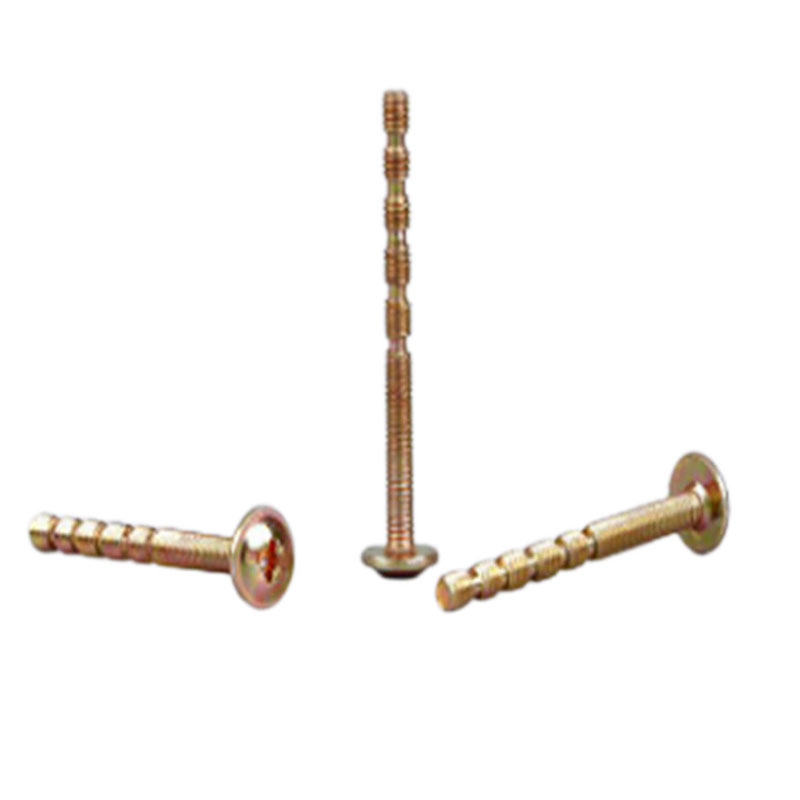
.jpg "M4 pan head cross connecting bamboo shaped screw for door handle")
.jpg "M4 pan head cross recessed bamboo shaped screw for door handle")
.jpg "Thin flat head solid brass double side rivets for leather")
.jpg "New design customized 12mm metal rivet grommets for handbag")