Material Selection for Mobile Phone Screws
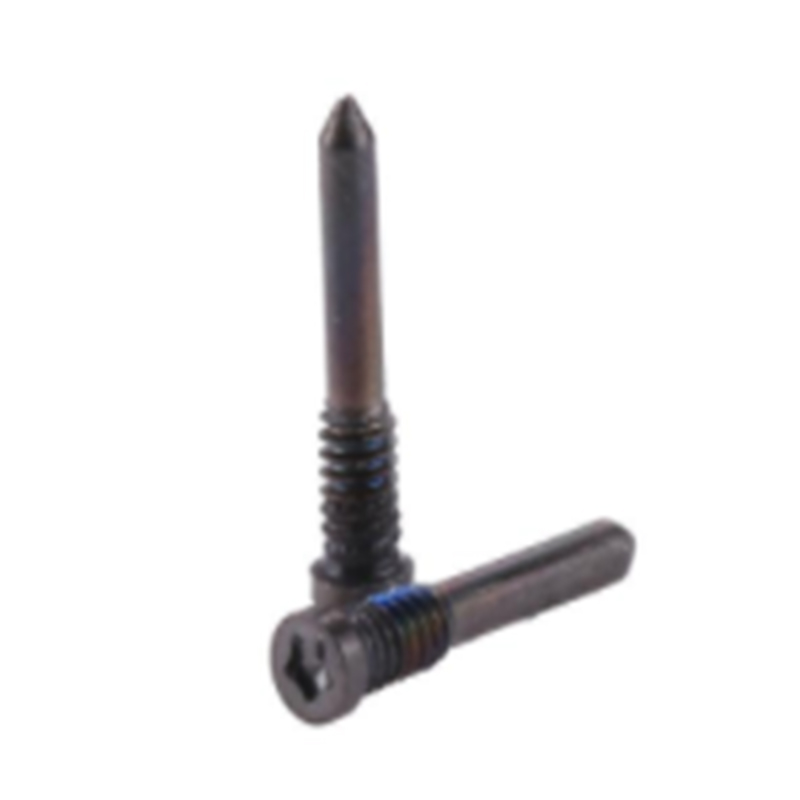
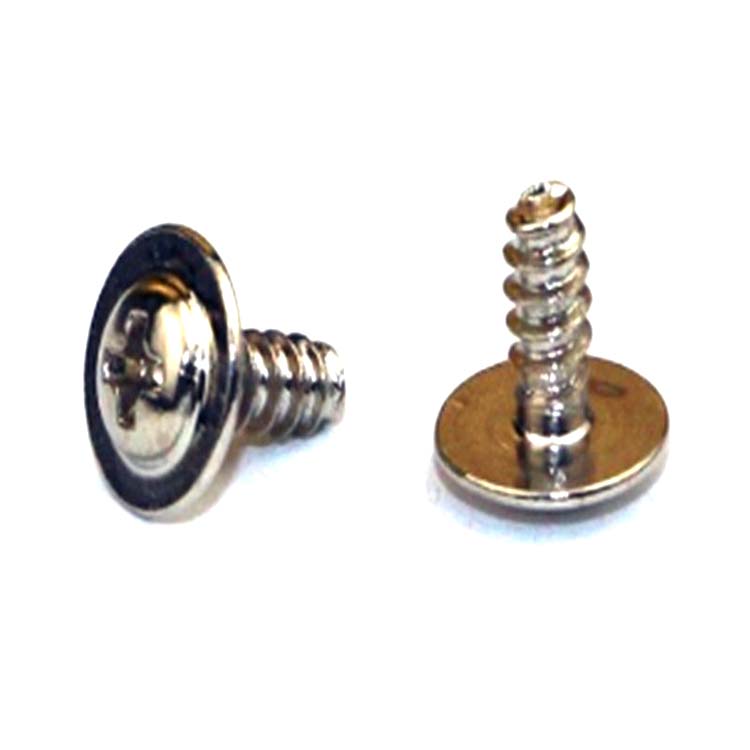
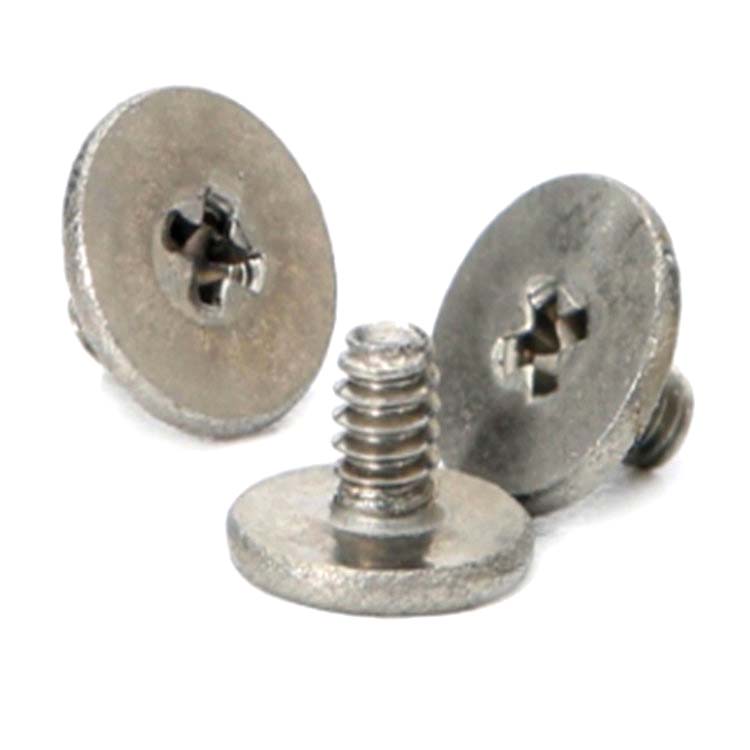
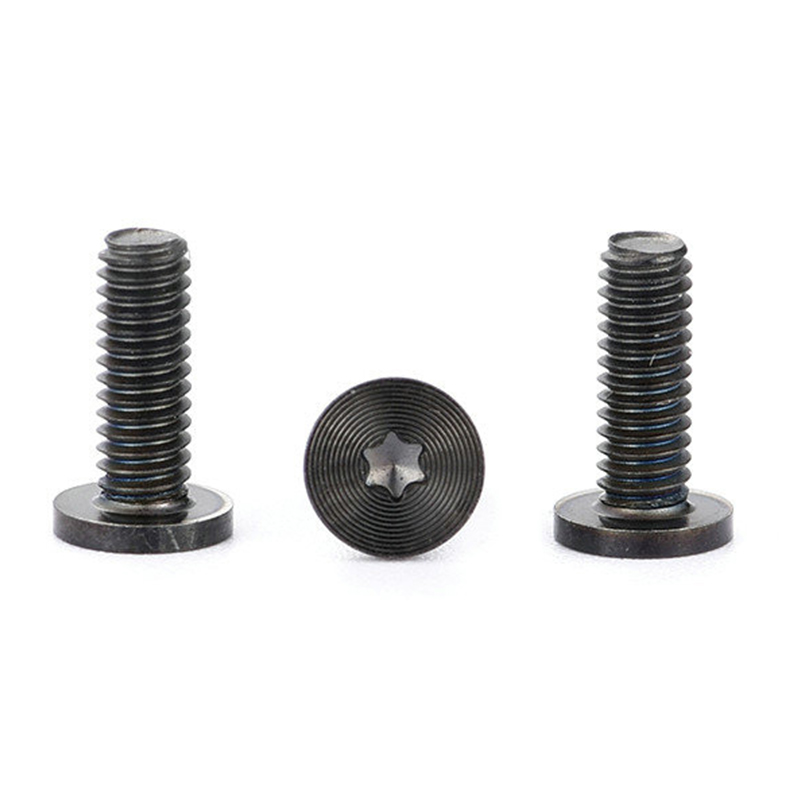
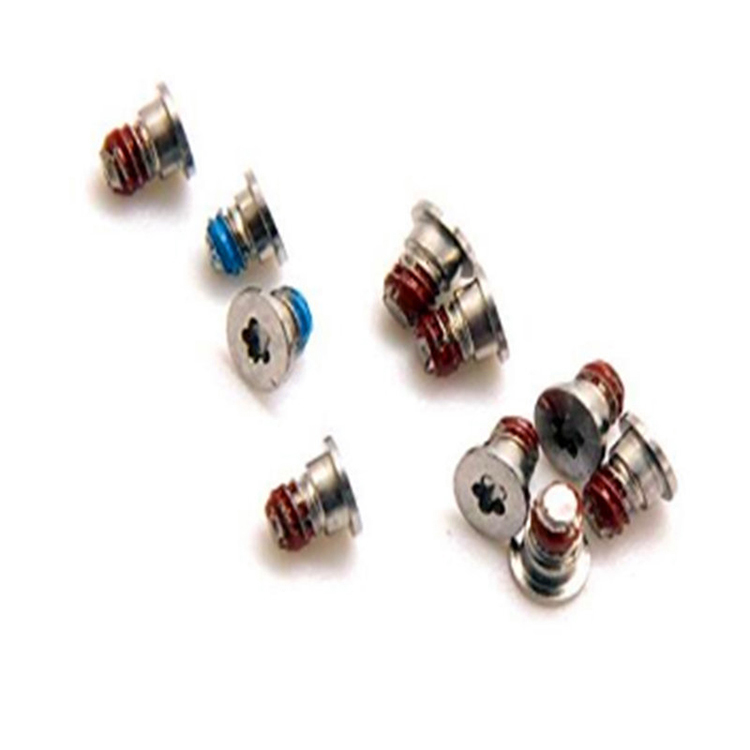
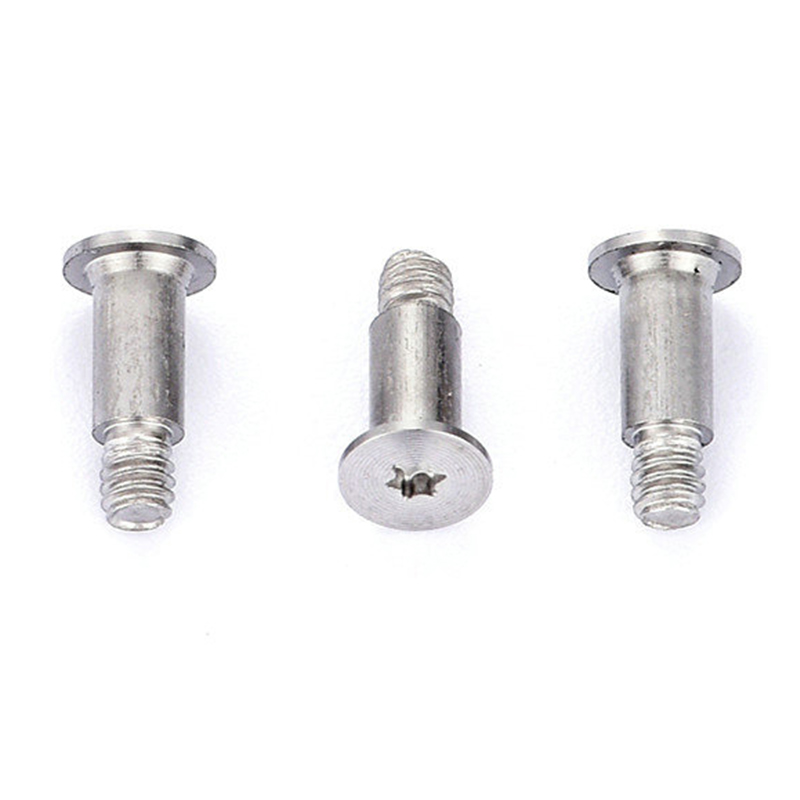
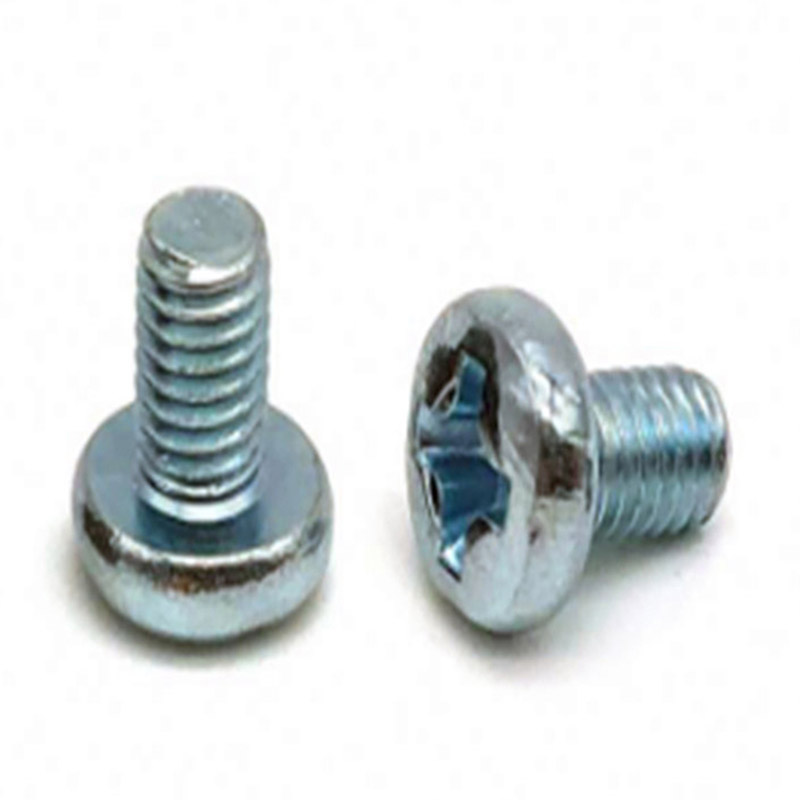
Mobile phone screws are typically made from stainless steel, titanium, or specialty alloys to ensure durability, corrosion resistance, and lightweight properties. The choice of material directly impacts the screw's ability to withstand repeated assembly, thermal expansion, and vibration during daily use.
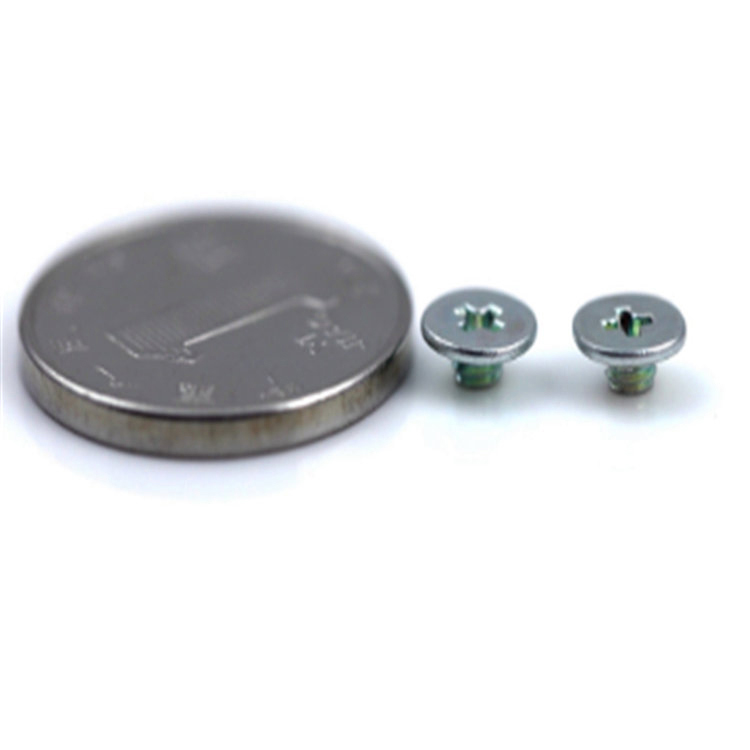
Precision in material selection is critical for miniature screws with diameters as small as 0.6mm, where even minor material inconsistencies can lead to mechanical failures or assembly issues.
Threading and Micro-Precision Techniques
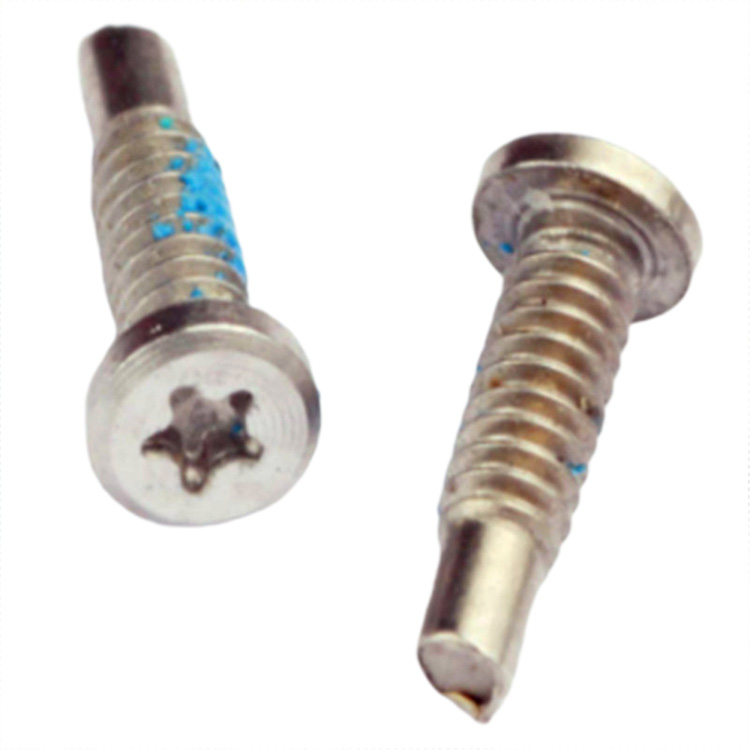
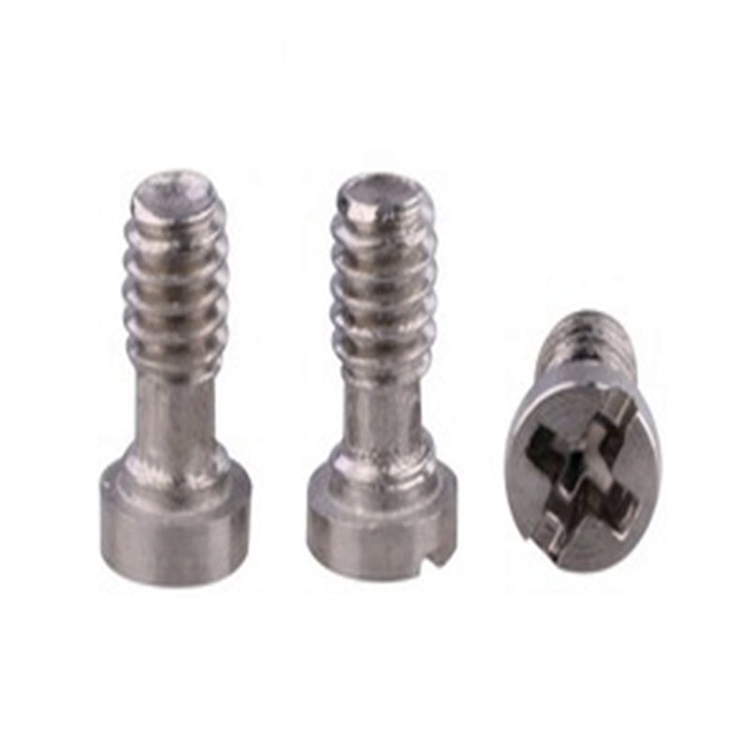
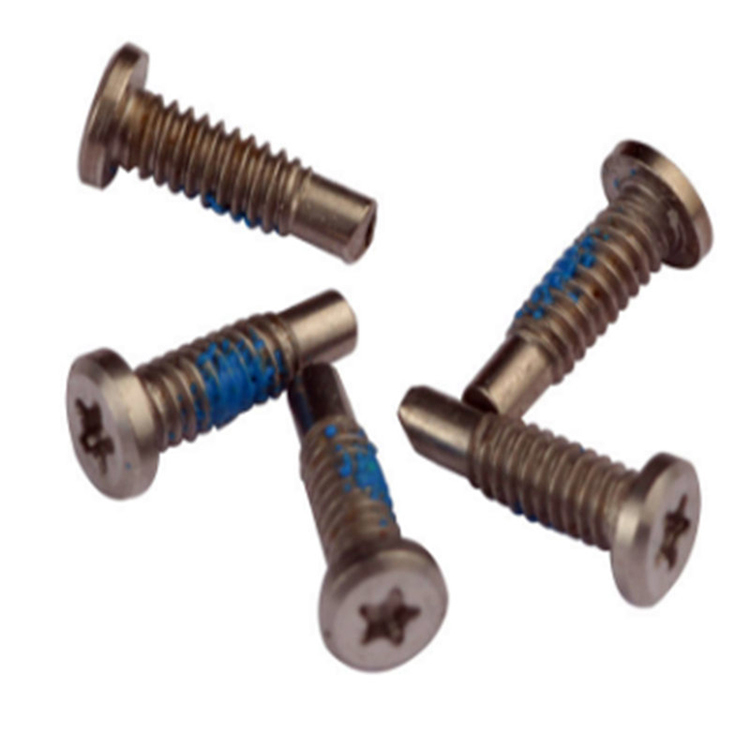
Mobile phone screws often require micro-threading for secure assembly without damaging delicate electronic components. CNC machines and cold heading equipment enable the production of screws with precise thread pitch and uniform tolerance, ensuring smooth engagement and minimizing risk of cross-threading.
- Micro-thread screws improve torque control and reduce assembly stress.
- Consistent thread quality ensures repeatable performance in mass production.
- Thread design must consider thermal expansion to prevent loosening over time.
Surface Treatments and Anti-Corrosion Measures
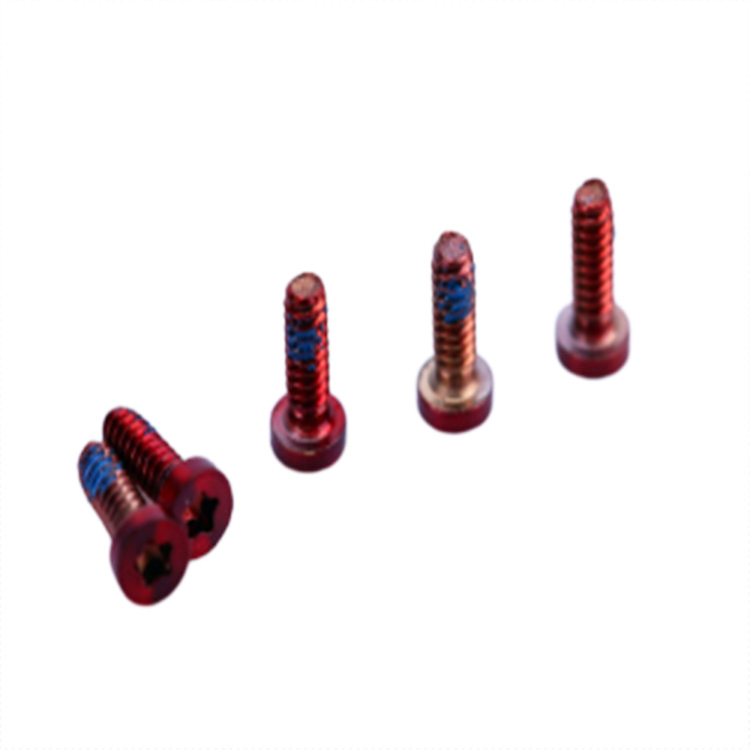
Surface treatments such as passivation, black oxide coating, or anodization enhance corrosion resistance and improve appearance. Anti-corrosion measures are essential for screws used in mobile phones due to exposure to sweat, humidity, and varying temperatures.
High-precision coatings also reduce friction during installation, protecting sensitive components and ensuring reliable torque control in tight assembly spaces.
Comparative Table of Common Mobile Phone Screws
| Property |
Stainless Steel |
Titanium |
Alloy Steel |
| Weight |
Moderate |
Light |
Heavy |
| Corrosion Resistance |
High |
Excellent |
Moderate |
| Strength |
Good |
High |
Very High |
| Cost |
Low |
High |
Moderate |
Applications in Mobile Phone Assembly
Precision screws are integral to mobile phone assembly, securing components like screens, battery modules, cameras, and logic boards. Their design must account for repeated disassembly and reassembly during repair, as well as tight tolerances in compact device housings.
Using micro-precision screws with consistent threading and surface treatment ensures device longevity, reduces assembly errors, and allows manufacturers to meet rigorous quality control standards in high-volume production.

 English
 Español