Industry knowledge
Die Material Selection for Cold Heading Dies
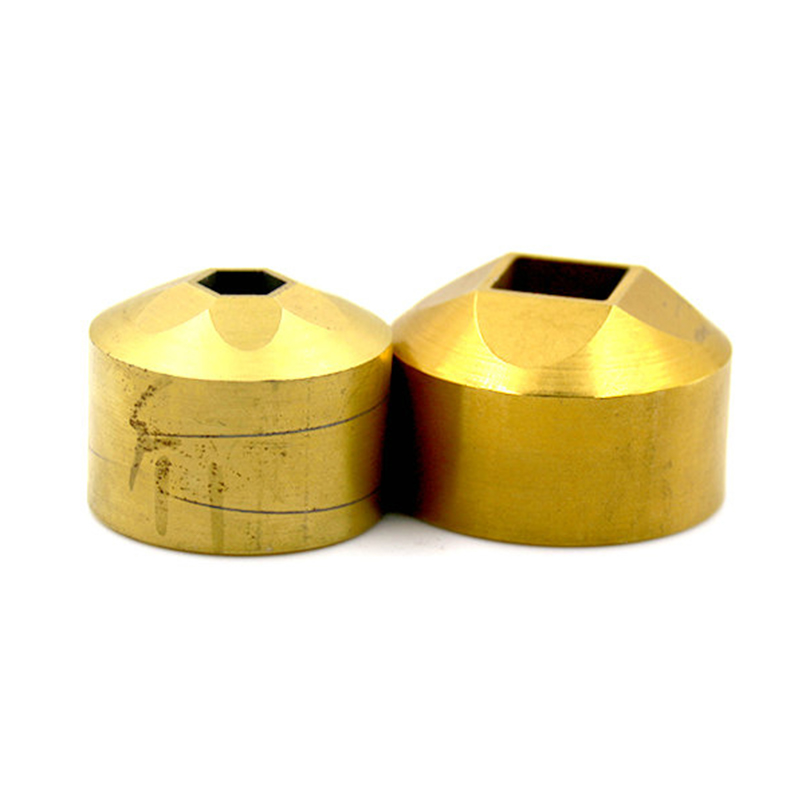
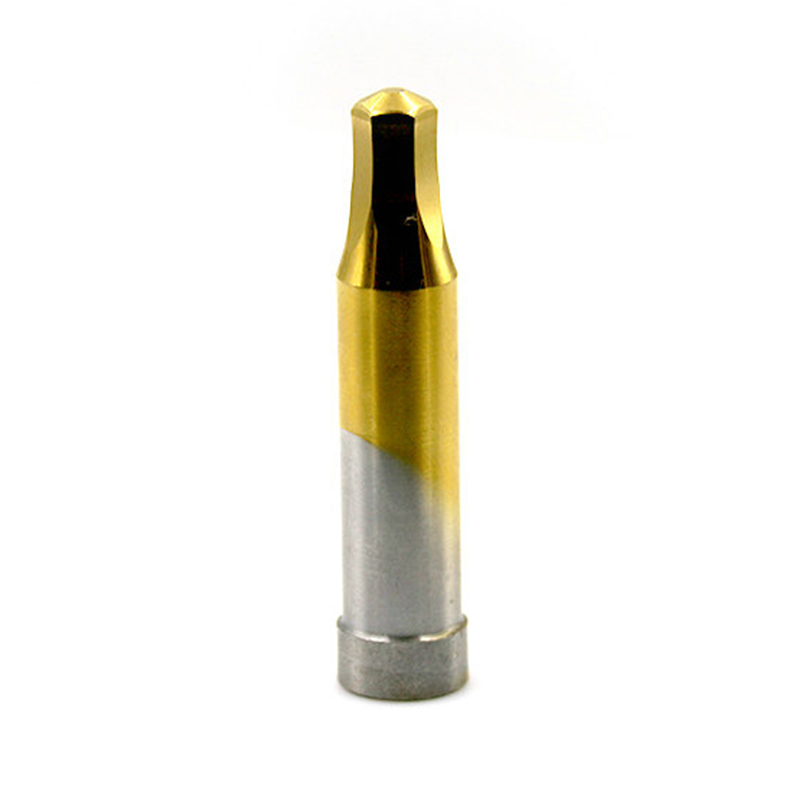
The longevity of cold heading dies is dictated primarily by carbide grade selection and heat treatment protocol. For high-volume production of stainless steel fasteners, we typically specify sub-micron tungsten carbide grades (WC-Co) with cobalt content between 10-12%. This composition delivers an optimal balance of transverse rupture strength and wear resistance. At Suzhou Anzhikou Hardware, our 20 years of non-standard screw customization has taught us that premature die failure is almost always traceable to improper stress relief during the grinding process, not the base material itself.
Surface treatments significantly extend service intervals. Titanium aluminum nitride (TiAlN) coatings applied via physical vapor deposition (PVD) reduce galling when forming 304 and 316 stainless. For titanium or high-nickel alloys, we've found that a duplex treatment—nitriding followed by PVD coating—prevents micro-cracking at the die radius. We promise product quality and delivery time on every order, and that commitment extends to the tooling we develop in-house.
Critical Geometry Features in Heading Die Design
Die cavity geometry determines material flow and final fastener integrity. Three features demand particular attention during design review:
- The entry radius controls initial material upset. Too sharp a radius creates shear bands; too generous wastes blank length. For miniature screws with diameters as small as 0.6mm, which we produce regularly, even a 0.02mm deviation in this radius alters fill percentage by up to 15%.
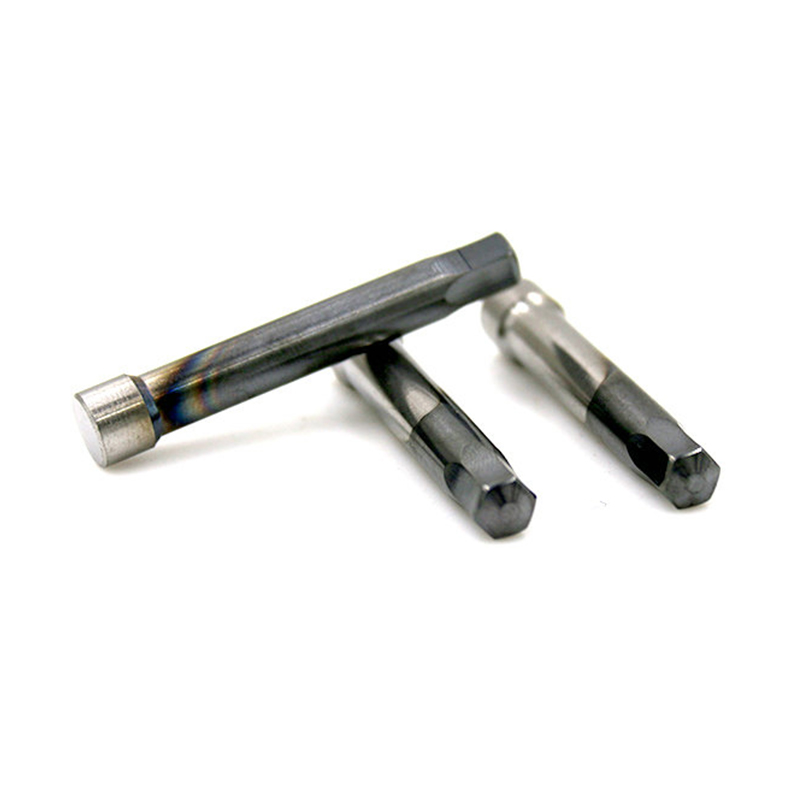
- The relief angle behind the forming land reduces ejection force. Without adequate relief, galling accelerates at the die wall and ejects pin breakage becomes frequent.
- The vent hole placement and diameter prevent trapped air from causing incomplete head fill. This becomes critical on flat-head and pan-head geometries with thin edge profiles.
As Suzhou Anzhikou Hardware integrates development, production, and sales, we've accumulated performance data showing that optimized venting alone can increase die life by 30% on high-speed progressive headers. We bring this engineering rigor to every customer-specific fastener solution.
Common Failure Modes and Diagnostic Patterns
Recognizing failure patterns in cold heading dies allows for root-cause correction rather than simple replacement. The table below summarizes field-observed modes and their typical mechanical origins.
| Failure Mode |
Appearance |
Primary Cause |
Corrective Action |
| Fatigue Spalling |
Pitting or flaking at cavity radius |
Cyclic stress beyond material endurance limit |
Increase radius; reduce heading force through multi-stage forming |
| Adhesive Wear |
Material transfer streaks along die wall |
Insufficient lubrication or coating breakdown |
Upgrade to TiAlN coating; increase lubricant viscosity |
| Crack Initiation |
Circumferential cracks at insert-shrink ring interface |
Incorrect interference fit in pre-stressing ring |
Verify 0.4-0.6% interference based on bore diameter |
Diagnostic summary for three predominant cold heading die failure categories observed in production environments.
Our engineering team, with an average of 20 years of industry production and development experience, conducts failure analysis on every returned tool set to continuously improve our process parameters. This feedback loop is central to the quality-first philosophy at Suzhou Anzhikou Hardware.
Lubrication Strategy and Phosphate Coating Requirements
Zinc Phosphate as a Conversion Layer
For carbon and low-alloy steel wire, zinc phosphate coating remains the most reliable carrier for reactive soaps in cold heading dies. The coating's crystal structure must be fine and uniform—a coating weight of 8-12 g/m² achieves the best balance between adhesion and lubricant retention. Coarser crystals fracture under deformation pressure, depositing debris that clogs die vents.
Oil Selection by Operating Speed
High-speed headers exceeding 200 strokes per minute require oils with extreme pressure (EP) additives based on sulfur-phosphorus chemistry. The boundary lubrication condition inside cold heading dies at these speeds generates instantaneous flash temperatures above 300°C at asperity contacts. EP additives form a sacrificial tribofilm that prevents microwelding between the workpiece and die surface. Slower, high-forming-force operations benefit from higher-viscosity chlorinated paraffin oils, though these are being phased out in many regions due to environmental regulations.
Suzhou Anzhikou Hardware applies these lubrication principles across our complete fastener production equipment set, from cold heading through thread rolling and CNC stages. We're committed to continuous innovation and optimized costs, ensuring that our precision screws—exported to over 40 countries—meet the most demanding application requirements. Contact our team with your non-standard challenge; we promise professional service grounded in two decades of hands-on tooling expertise.

 English
 Español
.jpg "All items HSS pins for punches")
.jpg "High Precision Tungsten Carbide cold heading dies")
.jpg "Screw Carbide Die First Punch Die And First Punch Case")