Industry knowledge
Material Selection and Corrosion Resistance in Stainless Steel Springs
When specifying a stainless steel spring for precision fastening applications, the grade of stainless steel directly determines the balance between corrosion resistance and mechanical strength. Austenitic grades such as 304 and 316 are the most common choices, with 316 offering superior resistance to chlorides and marine environments due to its molybdenum content. For applications where magnetic properties must be avoided, 316L is often preferred.
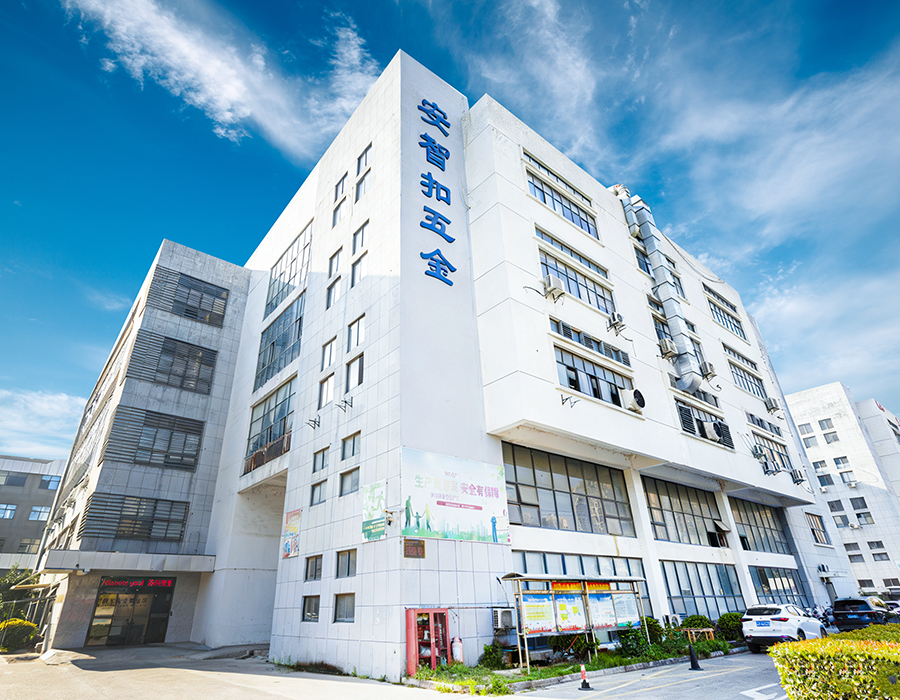
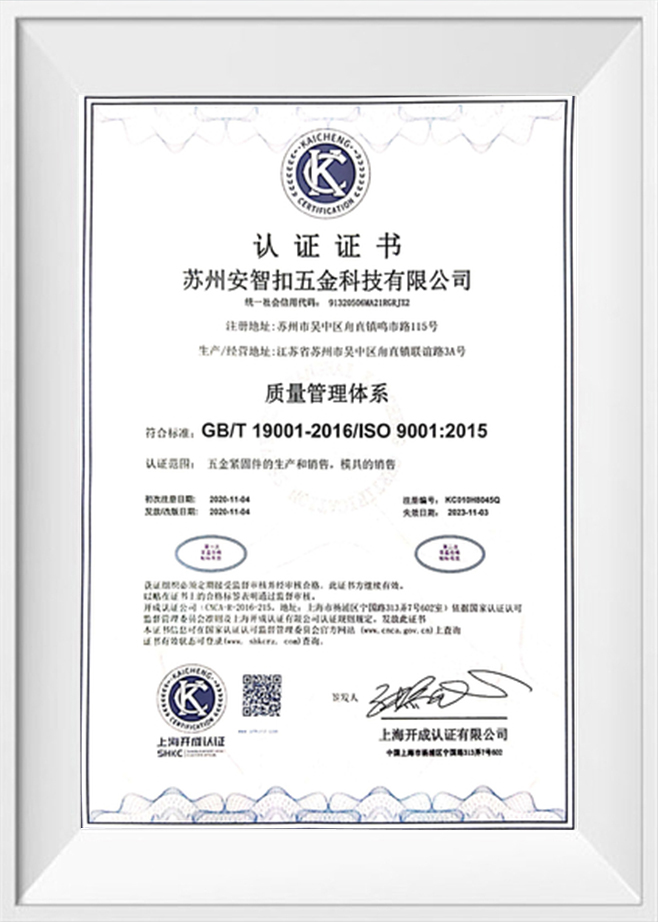
At Suzhou Anzhikou Hardware Technology Co., Ltd., we have spent two decades refining our material sourcing and heat treatment protocols to ensure that every stainless steel spring we produce meets the exacting demands of industries ranging from medical devices to outdoor infrastructure. Our ISO9001:2015 certified quality system means that material certificates and batch traceability are standard, not optional.
Key Factors Affecting Spring Performance
- Operating temperature: 304 stainless steel retains spring properties up to approximately 300°C, while precipitation-hardening grades like 17-7 PH can perform at higher temperatures.
- Cyclic loading: Fatigue life is heavily influenced by surface finish; shot peening can improve endurance by up to 30%.
- Environmental exposure: Salt spray testing per ASTM B117 is the industry benchmark for validating corrosion resistance.
If your project involves miniature fasteners with integrated spring elements, our cold heading and CNC capabilities allow us to produce components with an external diameter as small as 0.6 mm, maintaining tight tolerances even at micro scales.
Spring Rate, Load Deflection, and Design Tolerances
The spring rate (k) of a compression or extension spring is governed by the wire diameter, mean coil diameter, active coil count, and the shear modulus of the material. For stainless steel springs, the shear modulus is approximately 79 GPa, slightly lower than that of carbon steel, which means designers must account for a marginally softer response under load.
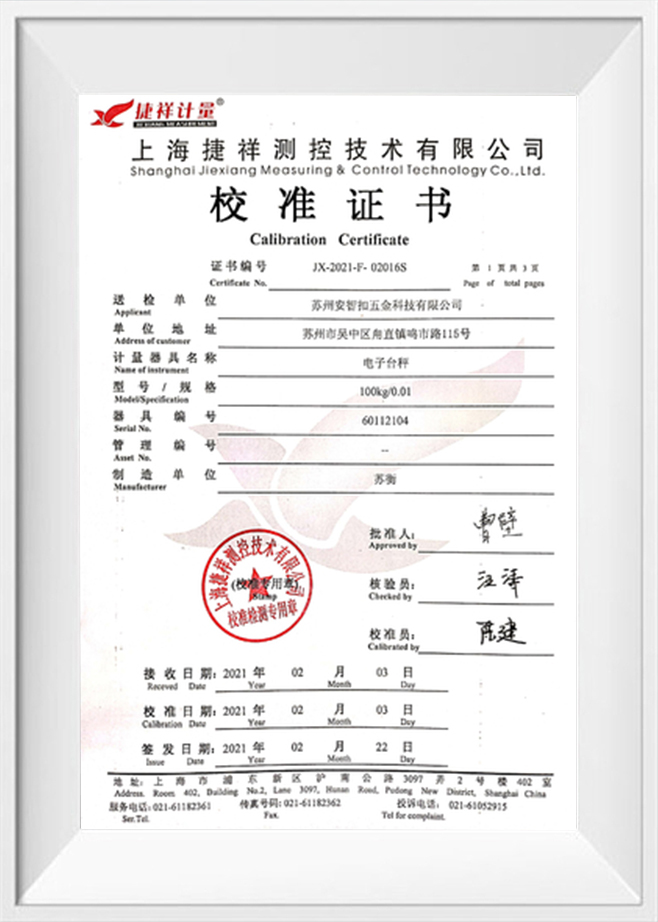
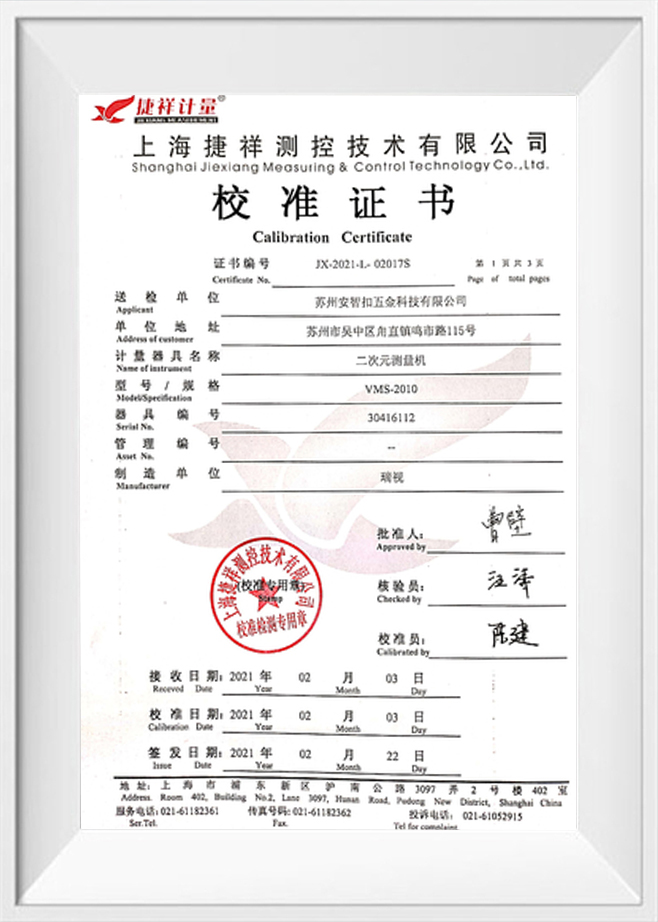
In practical terms, a deviation of just 0.05 mm in wire diameter can shift the spring rate by over 10%. This is why precision manufacturing matters. At Anzhikou, our thread rolling and CNC processes are calibrated to maintain wire consistency within ±0.01 mm, ensuring that your assemblies perform predictably across thousands of cycles.
Common Design Pitfalls and How to Avoid Them
- Ignoring solid height: A spring compressed to its solid height will experience stress exceeding the material’s yield point, leading to permanent set. Always design with a 15% margin above solid height under maximum operating load.
- Overlooking buckling: Slender compression springs with a free length-to-mean diameter ratio greater than 4 may buckle. Guided installation or concentric spring pairs can mitigate this.
- Neglecting end configuration: Ground and squared ends improve load distribution and reduce tilt, but they add cost. For low-load applications, plain ends may suffice.
We welcome the opportunity to review your spring specifications early in the design phase. With 20 years of non-standard screw customization experience, our engineering team can suggest modifications that improve manufacturability without compromising function.
Surface Treatment and Passivation Protocols for Stainless Steel Springs
Contrary to popular belief, stainless steel is not entirely immune to corrosion. The protective chromium oxide layer that gives stainless steel its "stainless" quality can be compromised by iron contamination, chloride exposure, or improper handling during manufacturing. Passivation per ASTM A967 or AMS 2700 is the standard post-fabrication treatment that restores and enhances this passive film.
For springs used in food processing, medical, or marine environments, electropolishing is often specified in addition to passivation. Electropolishing removes surface irregularities at the microscopic level, reducing sites where bacteria or corrosive agents can accumulate. The result is a smoother surface with a higher chromium-to-iron ratio in the outer layer.
Comparison of Common Surface Finishes
Table 1: Surface treatment methods for stainless steel springs and their typical outcomes
| Treatment |
Corrosion Resistance |
Surface Roughness (Ra) |
Typical Applications |
| As-formed |
Moderate |
1.6–3.2 μm |
General industrial |
| Passivation |
High |
1.2–2.5 μm |
Automotive, aerospace |
| Electropolishing |
Very High |
0.2–0.8 μm |
Medical, semiconductor |
| Shot peening + passivation |
High |
2.0–4.0 μm |
High-cycle fatigue |
Anzhikou offers all of the above treatments as part of our integrated production line. With over 200 sets of precision equipment sourced from Taiwan and Japan, we control every stage from cold heading to final inspection, ensuring that your stainless steel spring arrives ready for immediate integration.
Quality Validation and Testing Standards for Precision Springs
A stainless steel spring may look simple, but its performance depends on a chain of tightly controlled variables: wire chemistry, coil geometry, heat treatment response, and surface integrity. ISO9001:2015 certification is the baseline, yet buyers should look beyond the certificate and ask about specific testing protocols.
At our 2000-square-meter facility, every batch of springs undergoes dimensional verification, load testing, and metallographic inspection before release. For export orders shipping to over 40 countries and regions, we additionally perform salt spray and fatigue testing when specified by the customer. Our 10 engineering and technical staff members bring an average of 20 years of industry experience to these evaluations, catching deviations that automated systems alone might miss.
Essential Tests and Their Purpose
- Load testing: Verifies that the spring delivers the specified force at the specified deflection. Deviations beyond ±5% typically indicate a manufacturing or material issue.
- Free length and coil count: Ensures the spring will fit within the allocated assembly envelope without interference.
- Hardness testing (Rockwell C or Vickers): Confirms that heat treatment has achieved the target strength without embrittlement. For 302/304 stainless steel springs, typical hardness ranges from 38 to 45 HRC after tempering.
- Magnetic permeability: Critical for applications near sensitive instrumentation; austenitic grades should remain essentially non-magnetic unless cold-worked excessively.
We believe that transparency in testing builds long-term partnerships. Whether you need a standard catalog item or a fully custom stainless steel spring integrated into a non-standard screw assembly, Anzhikou is committed to delivering on quality, delivery time, and professional service—principles we have upheld for 20 years.

 English
 Español
.jpg "Custom black stainless steel compression spring")
.jpg "Custom stainless steel 316 compression spring for ball pen")
.jpg "Customized stainless steel flat spiral recliner tension spring")
.jpg "New multi-fuctional compression spring of 1.0mm wire diameter")
.jpg "Stainless steel 0.5 wire diameter torsion spring for furniture")