Industry knowledge
Retention Depends on the Panel Structure, Not Only the Screw
Captive panel screws are designed to stay connected to the panel, cover, or equipment housing after loosening. However, the anti-fall-off function is not achieved by the screw alone. It depends on the relationship between the threaded section, reduced shank, panel hole, sleeve, spring, or retaining structure.
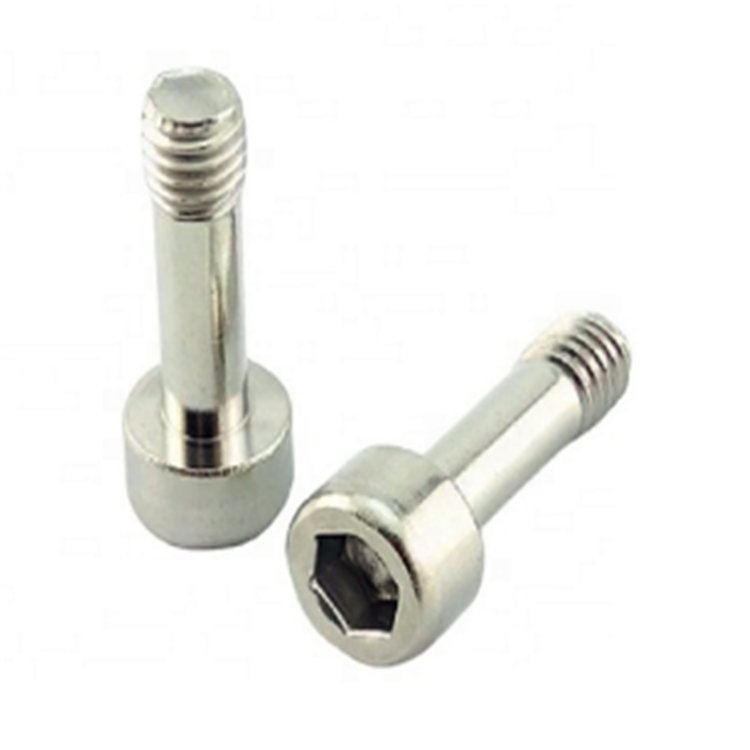
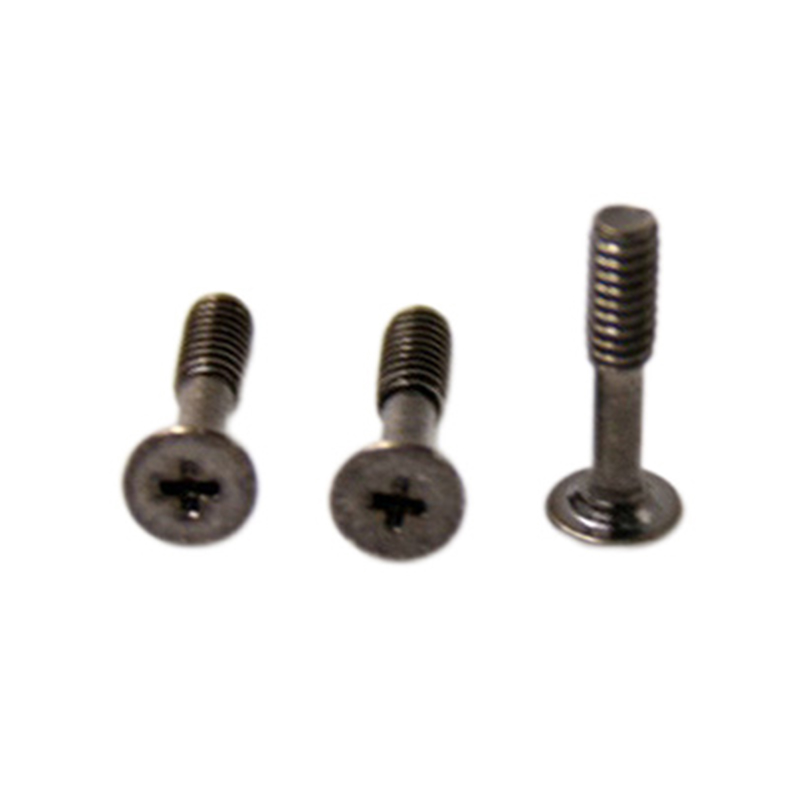
The front section usually provides fastening, while the middle reduced-diameter section allows the screw to move without falling out of the installed part. The key design point is to make the reduced shank pass through the panel while preventing the head or threaded section from escaping.
Important structure details to confirm
- Panel hole diameter and tolerance after punching, drilling, or machining.
- Reduced shank diameter, length, and clearance with the retaining hole.
- Thread length needed for secure fastening after the screw is retained.
- Head diameter and head height for tool access and anti-fall-off function.
- Whether the design uses a sleeve, spring, washer, or panel deformation for retention.
At Anzhikou, we usually recommend checking the screw together with the actual panel or connector drawing, because retention performance is created by the complete assembly structure.
How to Avoid Loosening, Jamming, and Poor Thread Engagement
Captive screws are often used on equipment covers, access panels, instruments, electrical housings, and removable modules. Since the screw remains attached to the panel, it may be tightened and loosened many times during maintenance. Buyers should evaluate not only whether the screw can be retained, but also whether it can move smoothly and engage the mating thread reliably.
Common captive screw design risks and practical control points
| Design Issue |
Possible Result |
Suggested Check |
| Reduced shank too short |
Limited floating movement or difficult alignment |
Confirm panel thickness and required travel distance |
| Reduced shank too thin |
Lower strength or unstable positioning |
Check strength, clearance, and retaining hole size |
| Thread length too short |
Weak fastening or easy thread stripping |
Match thread engagement to the mating material |
| Insufficient head clearance |
Tool interference or poor assembly efficiency |
Verify screwdriver bit access and tightening angle |
With long-term experience in non-standard screw customization, Anzhikou can help buyers review the relationship between thread length, reduced shank size, and panel retention before mass production.
Material and Surface Treatment Choices for Repeated Maintenance
Captive screws are frequently used in products that need repeated opening and closing. Because of this, material selection should consider wear resistance, corrosion resistance, drive strength, and thread durability. A screw that performs well during first assembly may still fail after repeated maintenance if the drive recess, thread, or surface coating is not suitable.
Practical selection considerations
- Use stainless steel or corrosion-resistant treatment for humid, outdoor, or electrical cabinet environments.
- Confirm whether the screw needs higher strength when used in metal equipment housings.
- Check whether plating thickness affects thread fit or movement through the panel hole.
- Select a drive type that can withstand repeated tightening without easy slipping.
- Consider anti-loosening treatment if vibration exists after the panel is closed.
For captive applications, repeated operation performance is often more important than single-use strength alone. Anzhikou has anti-loosing processing capability and complete testing equipment, so we can support buyers who need both retention and fastening stability.
Inspection Points for Customized Captive Screw Orders
Customized captive panel screw orders should be inspected according to both screw dimensions and assembly performance. Standard screw inspection may not be enough because the reduced shank, partial thread, panel clearance, and anti-fall-off function are all related to the final installation condition.
Buyers should define inspection standards before production, especially when the screw is used in precision instruments, communication equipment, power devices, control panels, or removable covers. The screw should be checked as a functional component, not only as a threaded part.
Recommended inspection items
- Thread diameter, thread length, total length, head size, and reduced shank diameter.
- Smooth movement through the panel hole, sleeve, washer, or spring structure.
- Retention performance after loosening, vibration, handling, or repeated opening.
- Drive depth, drive shape, and tool fit for stable maintenance operation.
- Surface finish, burr control, coating thickness, and packaging protection.
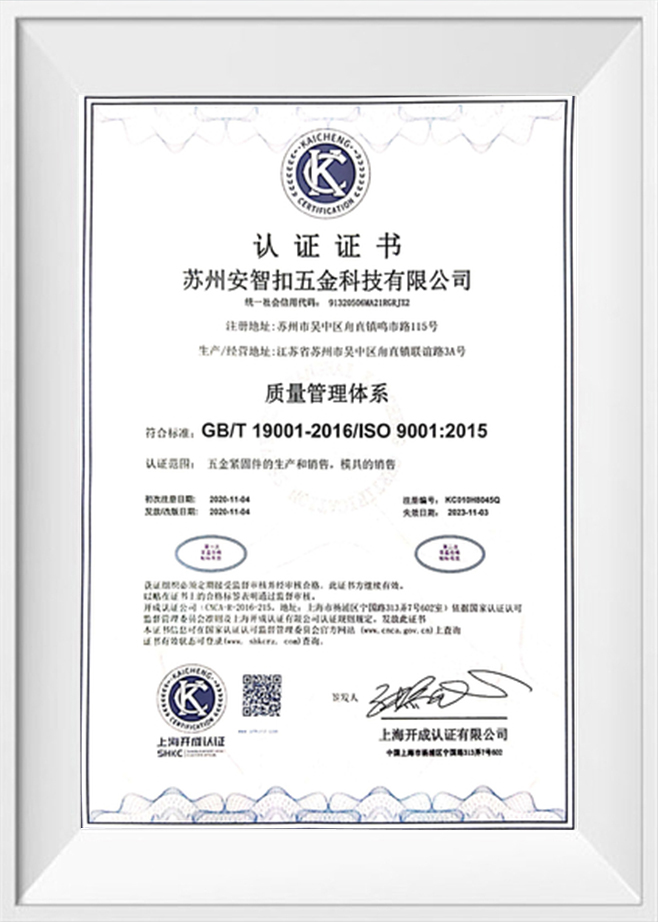
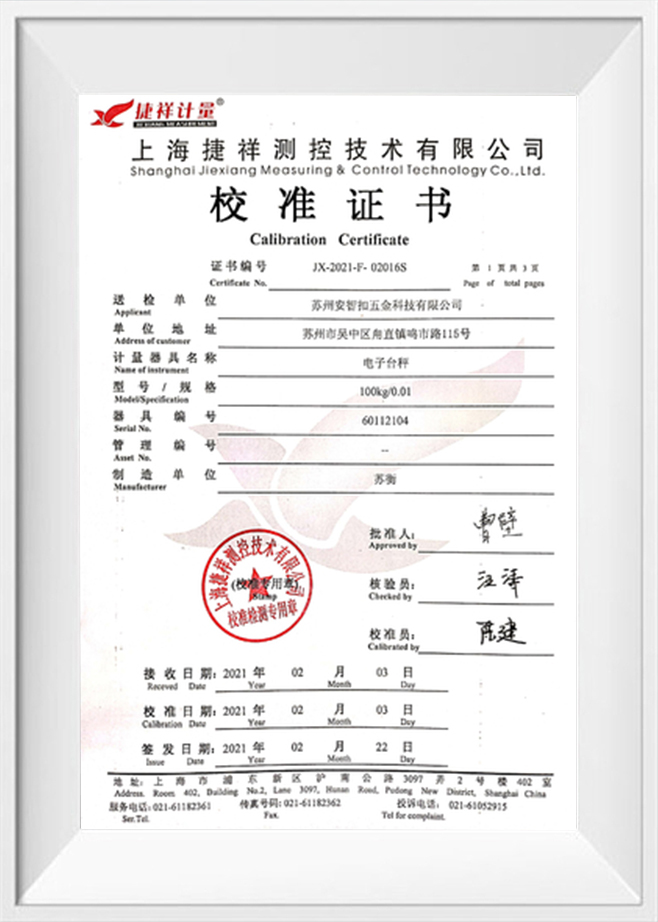
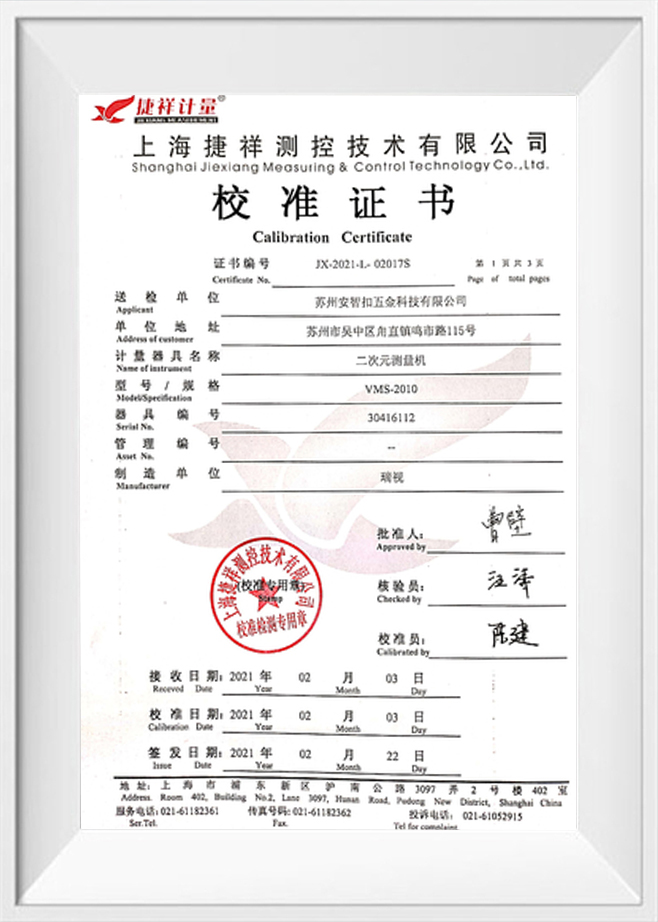
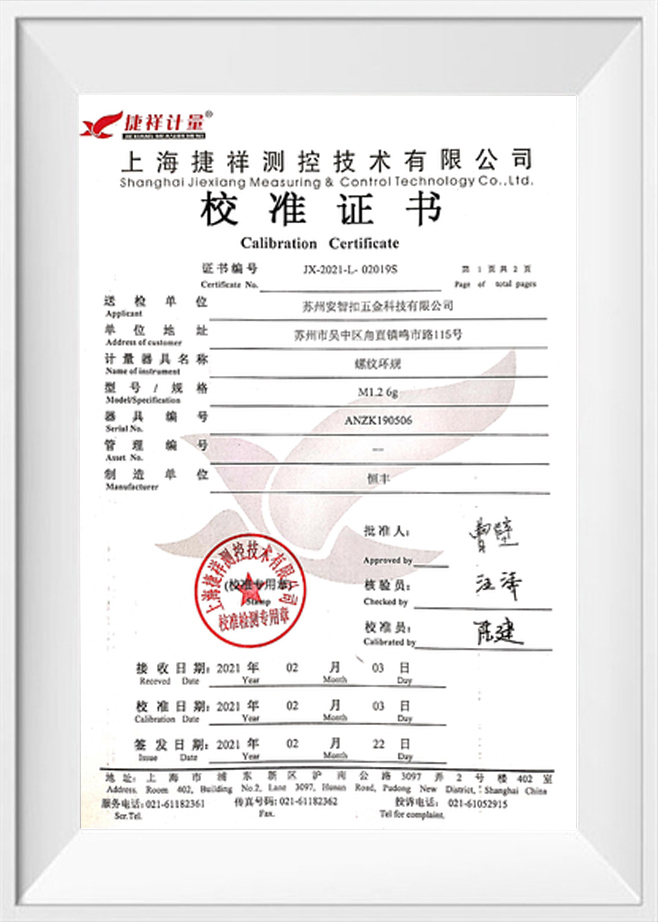
Anzhikou has passed ISO9001:2015 quality system certification and has more than 200 sets of precision equipment, allowing us to support customized captive screw production with practical dimensional and assembly inspection control.

 English
 Español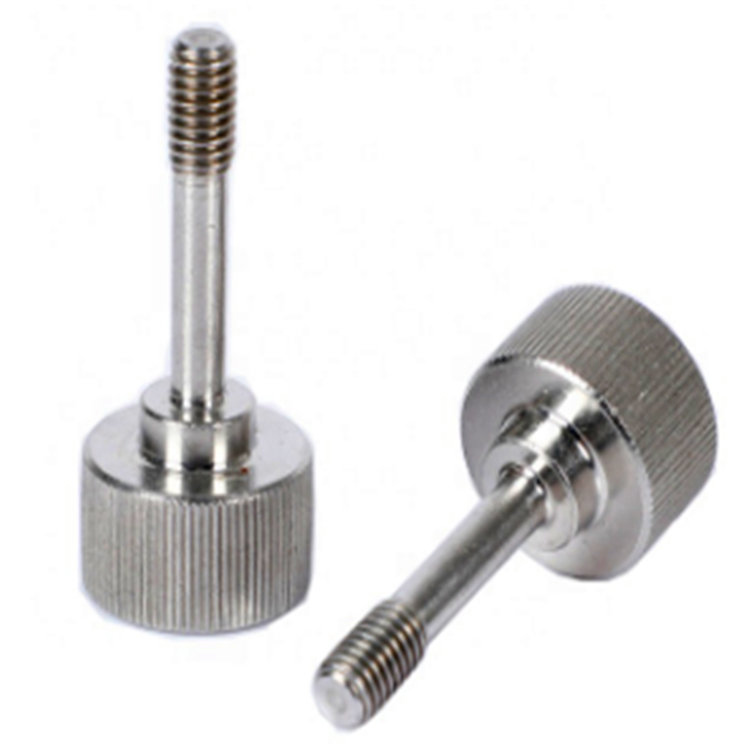
.jpg "#6-32 Stainless Steel Hex Head Captive panel fastener Screw")
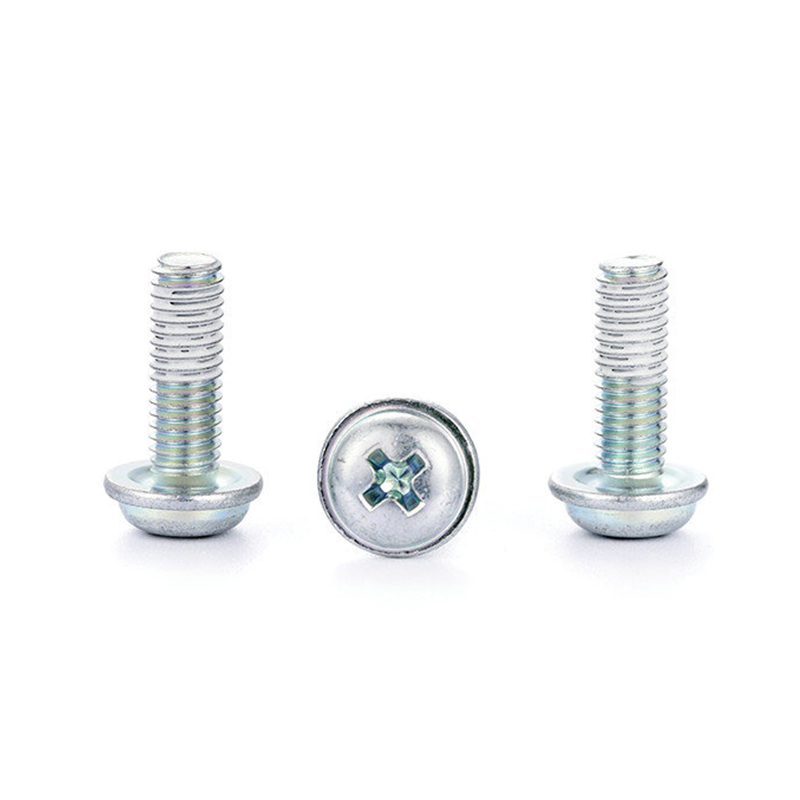
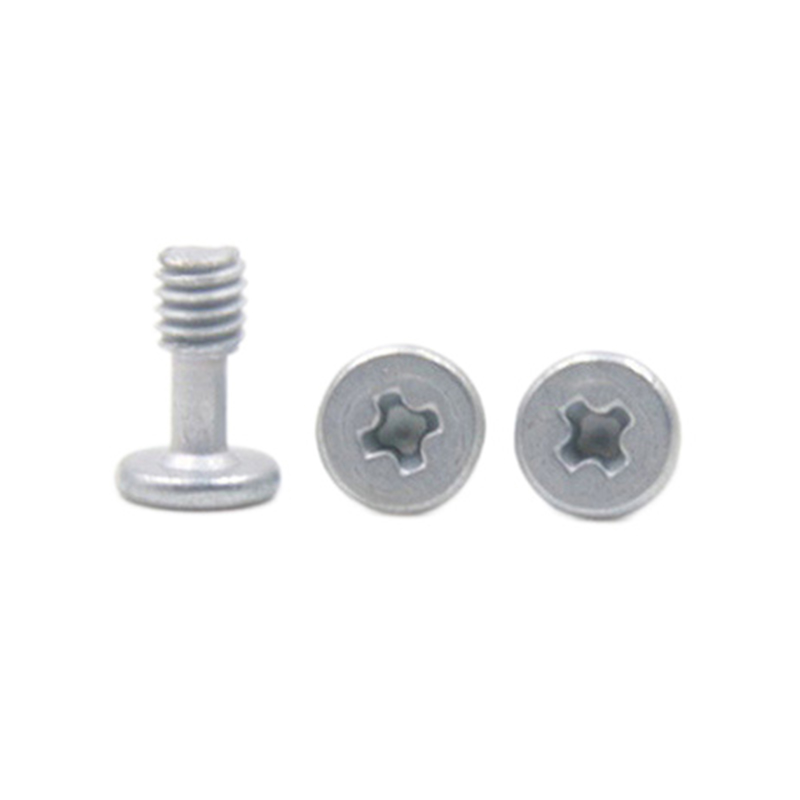
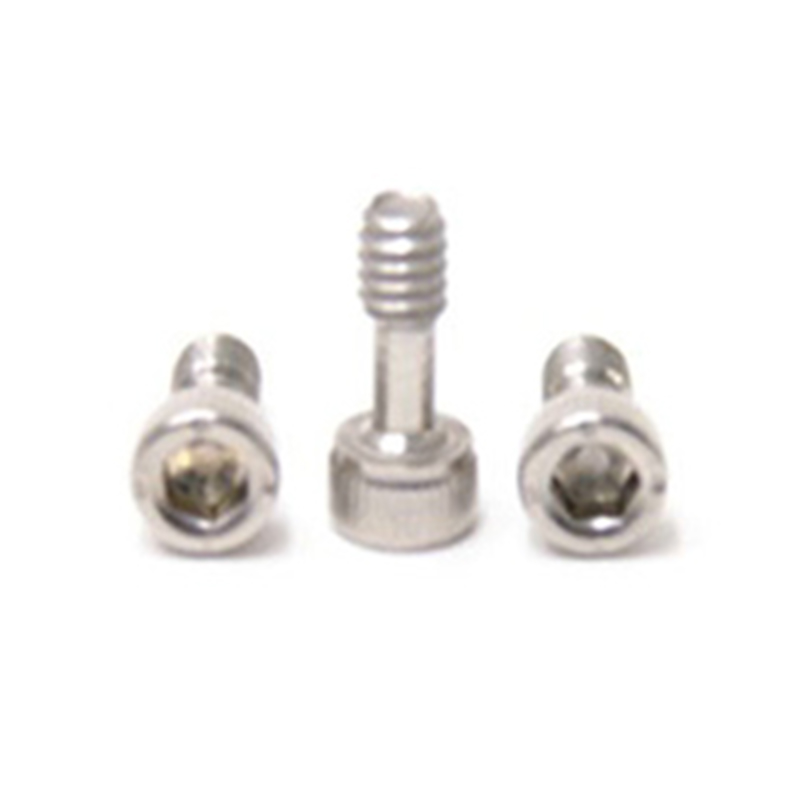
.jpg "M6 pan head stainless steel 304 torx captive panel screw")
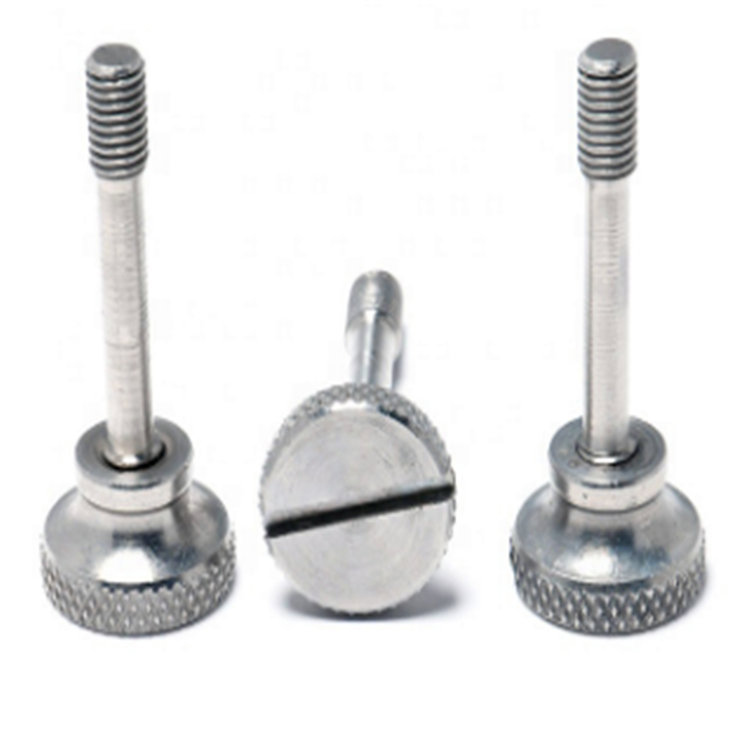
.jpg "Stainless Steel 18-8 Pan Head Cross Captive Panel Screw with washeres")
.jpg "Stainless Steel Hex Socket Countersunk Head Captive Panel screw")
.jpg "Stainless steel m4 knurled head slotted captive panel screw")