Material Advantages of Stainless Steel Should Screws
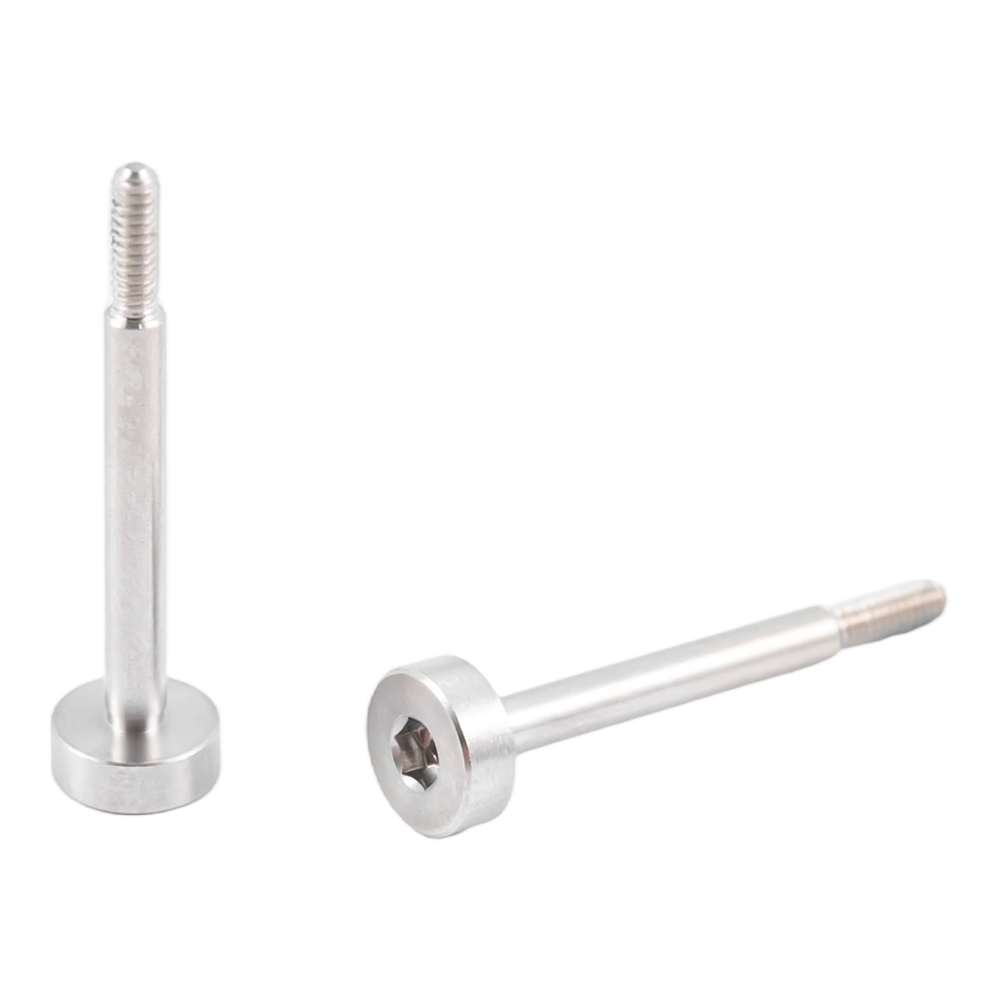
Stainless steel should screws provide exceptional corrosion resistance, making them ideal for applications exposed to moisture or chemical environments. Their high tensile strength ensures reliable fastening even under repeated mechanical stress, and their smooth, polished surface reduces friction during assembly. The natural resistance to oxidation and staining allows these screws to maintain performance over extended service life.
In precision engineering, stainless steel should screws are often selected for critical assemblies where mechanical integrity and aesthetic surface finish are equally important, such as in optical instruments, medical devices, and high-end electronics.
Step Screws: Functional Design and Applications
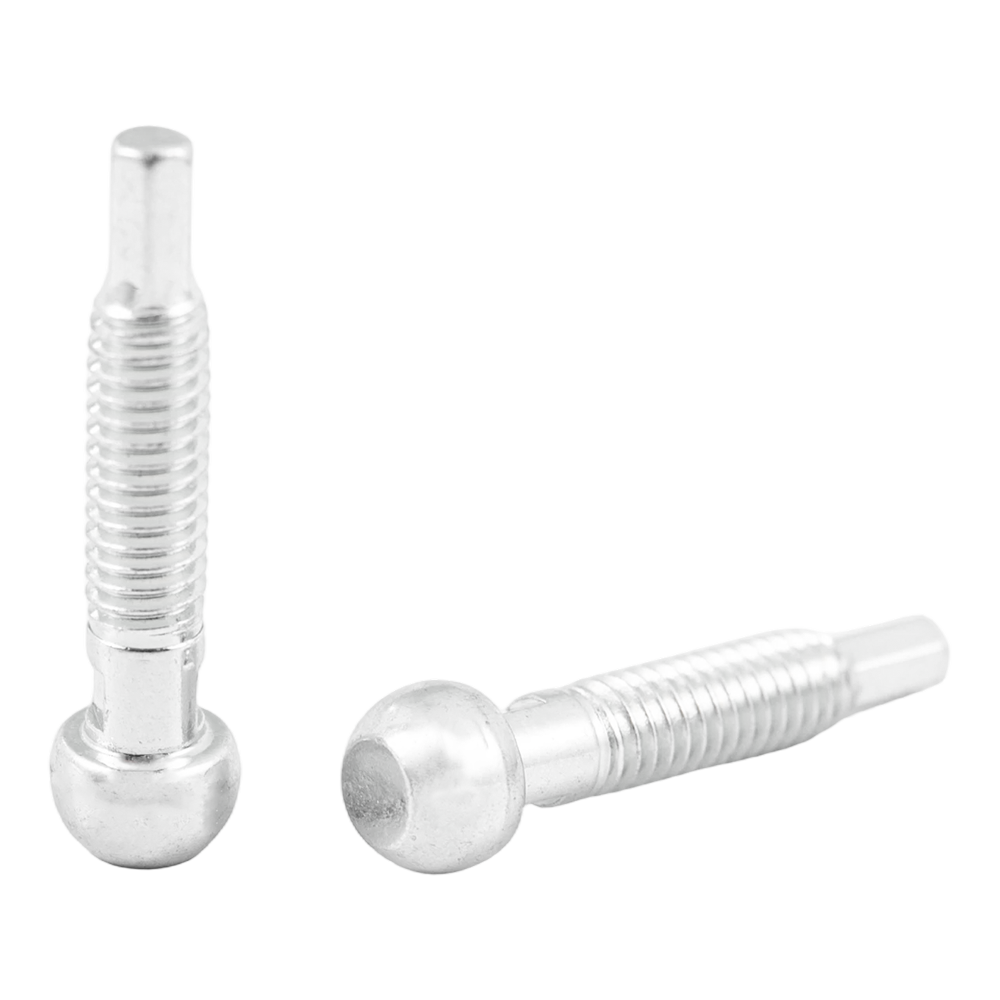
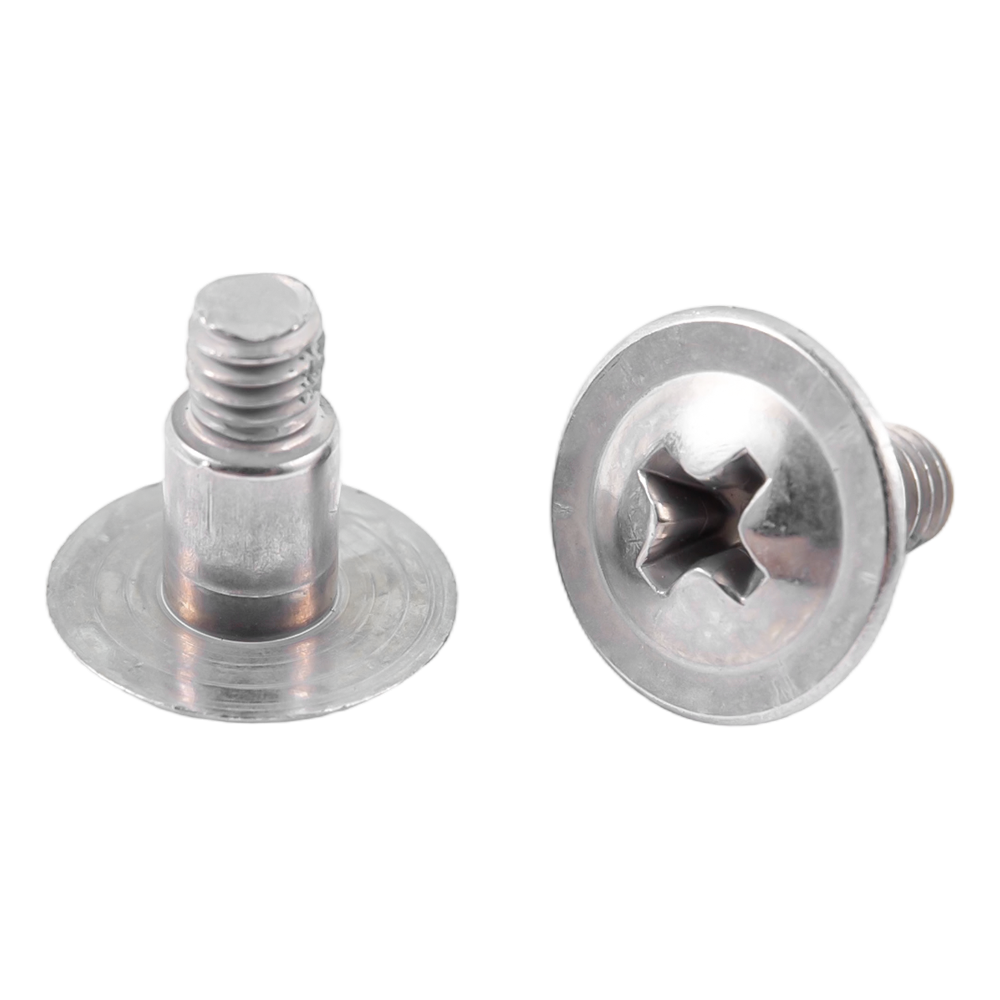
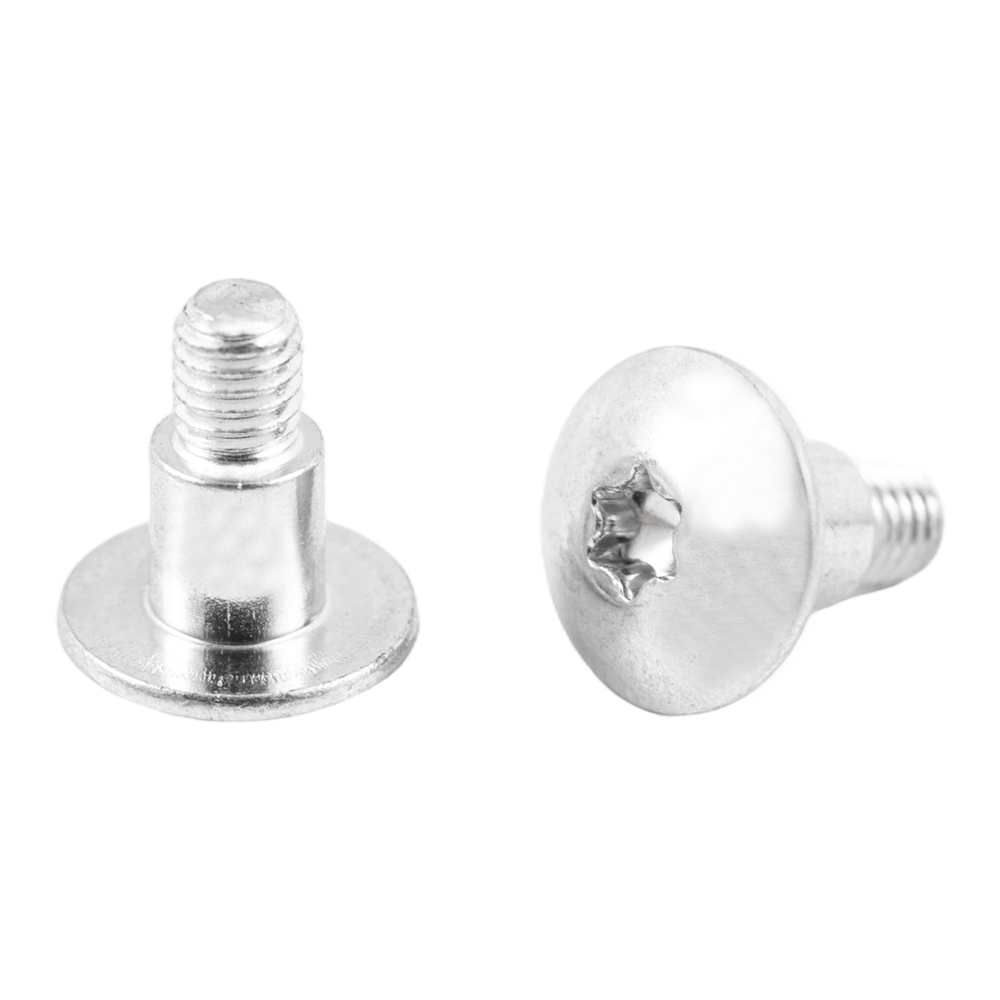
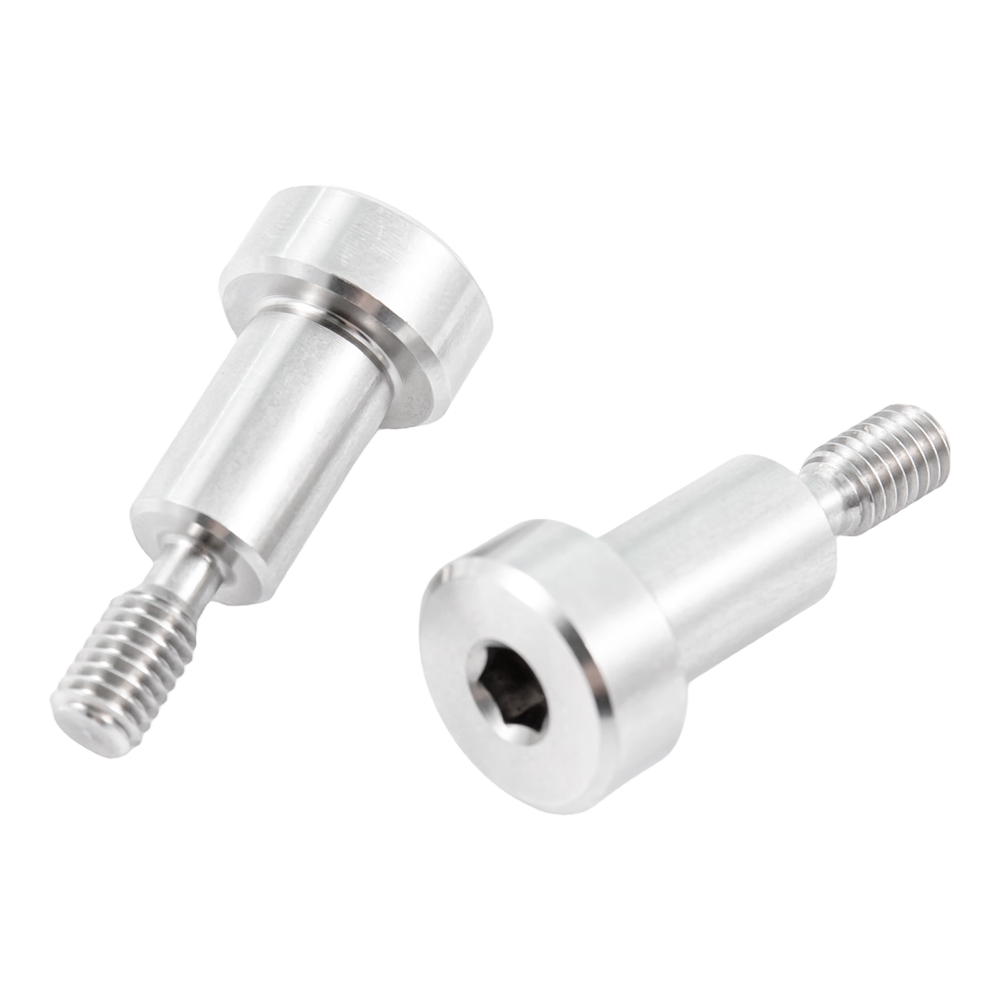
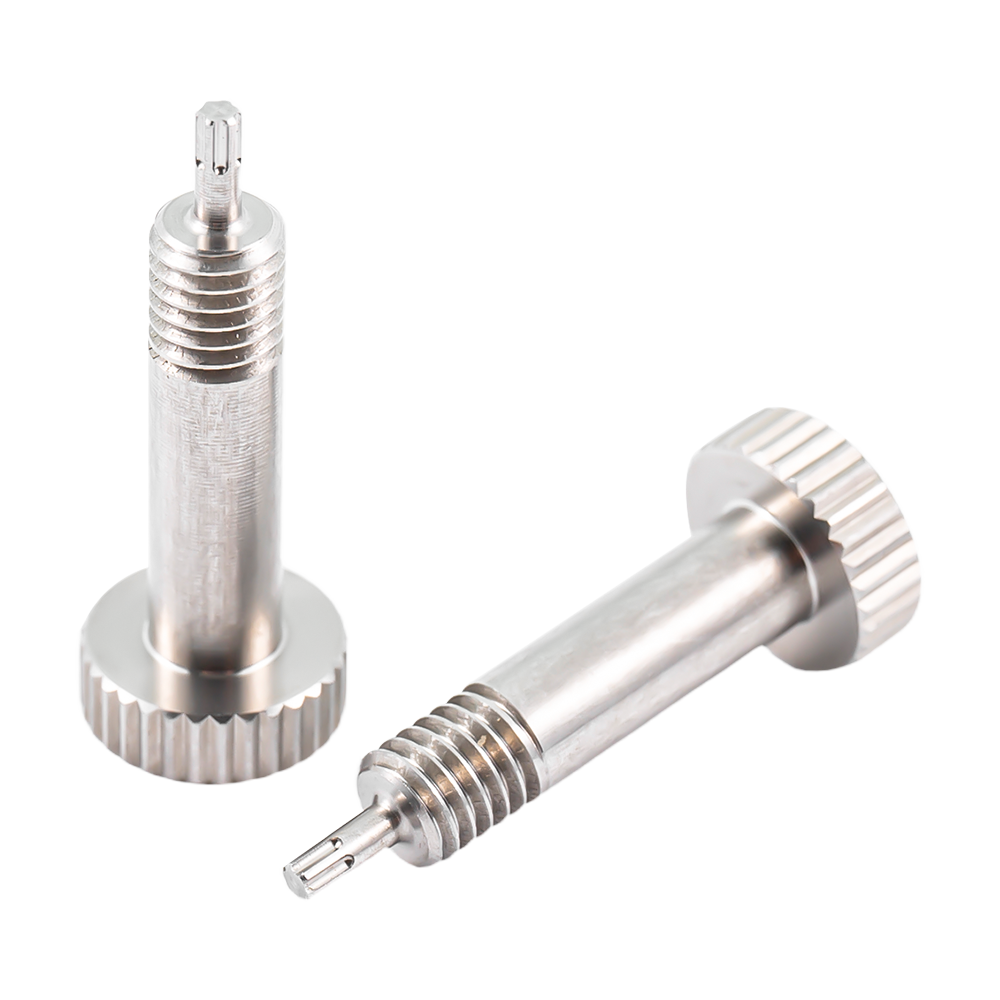
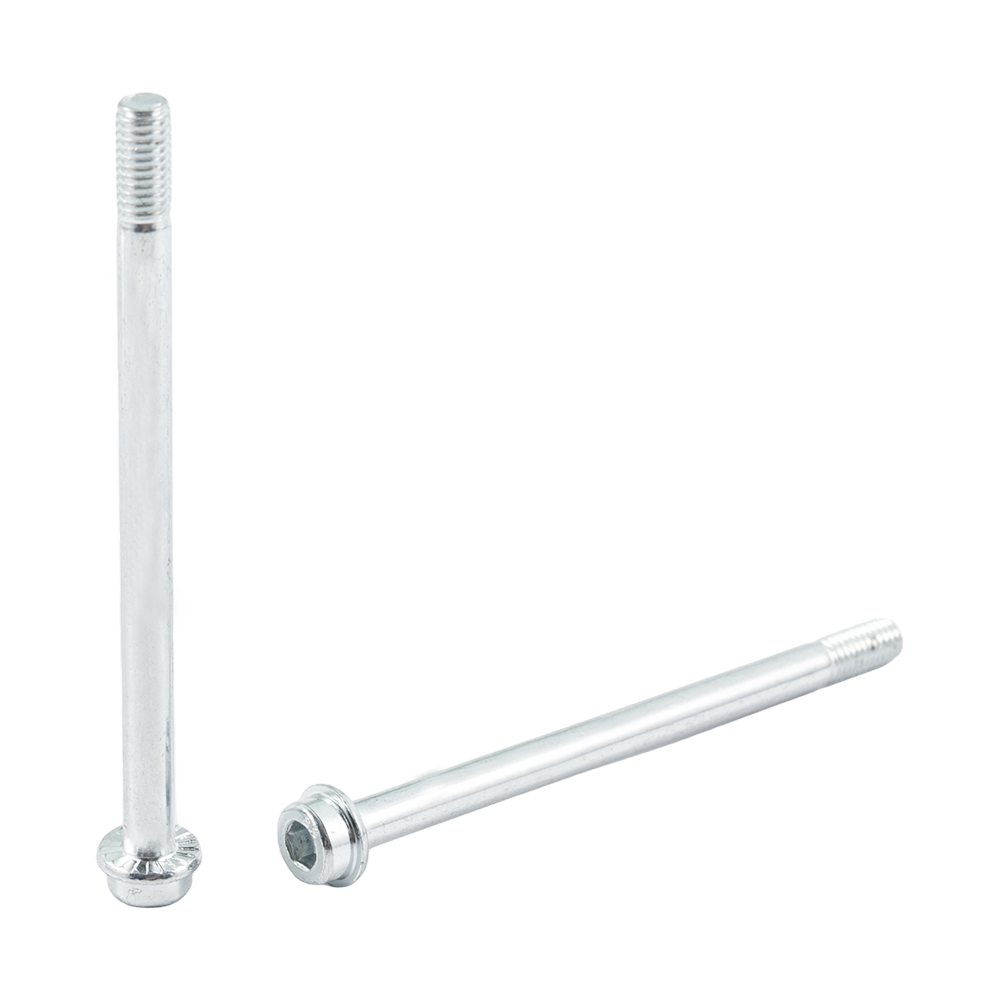
Step screws are engineered with a shoulder or stepped section that acts as a precision locating surface, enabling accurate positioning of components. The shoulder diameter is often larger than the threaded portion, ensuring consistent alignment and load distribution.
This design makes step screws particularly useful in tooling, jigs, and machinery assembly where precise movement or spacing is required. They are also commonly used in mechanical linkages, actuators, and high-precision mounting applications where minimizing play and wobble is critical.
Installation Techniques for Should and Step Screws
Proper installation is crucial to maximize performance and prevent premature wear or damage. For should and step screws, ensuring the shoulder or step fully seats against the mating surface is critical to maintaining alignment. Thread engagement should be sufficient to handle the expected load without over-tightening.
- Always check that the shoulder contacts the surface evenly to prevent tilting or misalignment.
- Use calibrated torque tools to avoid over-stressing the threaded section.
- Apply suitable lubrication if the application involves repeated assembly or movement along the shoulder.
Comparative Performance Table
| Property |
Stainless Steel Should Screw |
Step Screw |
| Alignment Precision |
Moderate |
High |
| Load Distribution |
Good |
Excellent |
| Corrosion Resistance |
Excellent |
Varies (Depends on Material) |
| Surface Finish |
Polished |
Machined |
Applications in Precision Manufacturing
Stainless steel should screws and step screws are widely used in precision machinery, automation equipment, and electronic assemblies. Their combination of mechanical strength, corrosion resistance, and positional accuracy ensures reliable operation in demanding conditions.
For miniature devices, screws as small as 0.6mm in diameter can be custom-manufactured to meet exact engineering tolerances. Step screws facilitate repeatable assembly processes and reduce cumulative alignment errors, which is critical in high-precision industries such as aerospace, robotics, and medical instrumentation.

 English
 Español