Industry knowledge
Matching Nuts and Screws for Stable Thread Engagement
A Nut should not be selected only by matching the nominal thread size. Buyers should also confirm thread pitch, material hardness, surface treatment, locking requirement, and engagement length. If the nut is too soft, too thin, or mismatched with the screw material, the assembly may suffer from thread stripping, loosening, or unstable tightening torque.
For small screws and precision assemblies, the nut height and internal thread quality are especially important. Reliable fastening depends on the complete thread pair, not only the screw itself.
Practical matching points
- Confirm screw thread diameter, pitch, tolerance, and mating nut thread standard.
- Check whether the nut material is suitable for the screw strength and tightening torque.
- Evaluate whether plating thickness affects thread fit or assembly feel.
- Choose lock nuts, flange nuts, thin nuts, or customized nuts according to space and vibration conditions.
- Test the actual screw and nut set when the assembly requires repeated maintenance.
At Anzhikou, we often help buyers review nut-and-screw compatibility together so that customized fastening parts can perform reliably in real assembly conditions.
How Washer Selection Affects Load Distribution and Surface Protection
A Washer may look simple, but it can strongly affect tightening stability, surface protection, and load distribution. In assemblies using plastic, aluminum, thin sheet metal, painted surfaces, or decorative panels, the washer helps spread pressure under the screw head and reduce local deformation.
Common washer functions and buyer selection points
| Washer Type |
Main Function |
Buyer Attention Point |
| Flat washer |
Distributes load and protects the contact surface |
Outer diameter should match the contact area and hole size |
| Spring washer |
Helps maintain preload under light vibration |
Elasticity and hardness should match the assembly torque |
| Toothed washer |
Improves grip on the contact surface |
May scratch plated, painted, or decorative surfaces |
| Sealing washer |
Improves water, dust, or air sealing around the screw hole |
Compression amount and material compatibility need testing |
Anzhikou can support customers in matching washers with precision screws, especially when the product requires load distribution, anti-loosening, waterproofing, or visible surface protection.
Screw Key Design for Controlled Assembly and Maintenance
A Screw Key is often used when the assembly requires controlled installation, special drive access, or maintenance by authorized users. The screw key must match the drive geometry accurately; otherwise, the tool may slip, damage the drive recess, or fail to transfer enough torque.
For security screws, micro screws, decorative screws, or customized non-standard fasteners, tool fit should be reviewed as part of product design. The screw and the screw key should be treated as one functional system.
Useful screw key confirmation items
- Confirm drive type, drive depth, and tool engagement length.
- Check whether the tool can access the screw vertically in the final product structure.
- Evaluate torque transfer ability before mass assembly or field maintenance.
- Define acceptable drive wear after repeated tightening and removal.
- For special anti-theft screws, manage tool distribution according to maintenance requirements.
With 20 years of non-standard screw customization experience, Anzhikou can help buyers coordinate drive design and matching tool requirements during early sampling.
Spring Selection for Preload, Return, and Anti-Loosening Functions
A Spring used with fasteners may provide preload, return force, positioning, vibration resistance, or captive screw movement. In panel screws, combination screws, electrical assemblies, and mechanical modules, the spring should be selected according to compression height, working stroke, load requirement, material, and service environment.
If the spring force is too low, the assembly may loosen or fail to return properly. If the spring force is too high, the screw, panel, or mating thread may be overloaded. Spring performance should be checked under the actual installed height, not only by free length.
Recommended inspection and design points
- Free length, wire diameter, outer diameter, compression height, and working stroke.
- Spring force at the actual assembled position and after repeated compression.
- Material and surface treatment for corrosion resistance or electrical requirements.
- Compatibility with screws, washers, sleeves, panel holes, or captive structures.
- Packaging control to prevent deformation, tangling, mixing, or surface damage.
Anzhikou has more than 200 sets of precision equipment and complete testing equipment, helping us support buyers who need coordinated screw, washer, nut, key, and spring solutions for stable assembly performance.

 English
 Español
.jpg "A194 grade 2H ansi b18.2.2 hex nut")
.jpg "Brass hex nut")
.jpg "Carbon steel galvanized special extrusion nut")
.jpg "Cheap price M3 to M10 carbon steel din934 iso 4032 hex nut")
.jpg "China Manufacturer galvanized hex slotted flange castle nut")
.jpg "China standard size stainless steel wing nut butterfly nut")
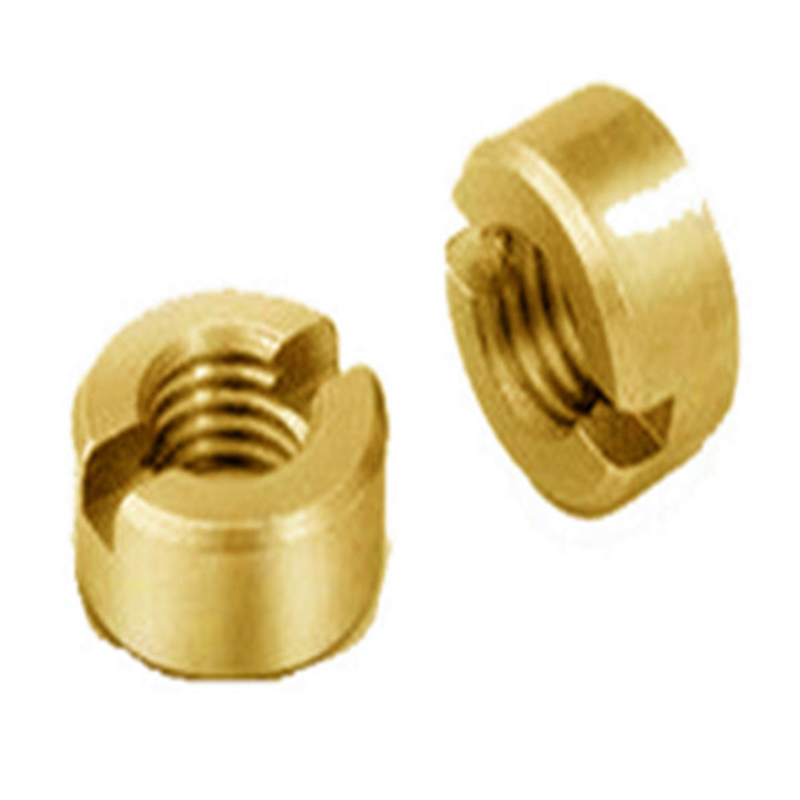
.jpg "DIN935 Hex Flange Hexagon Slotted Round Lock castle nut")
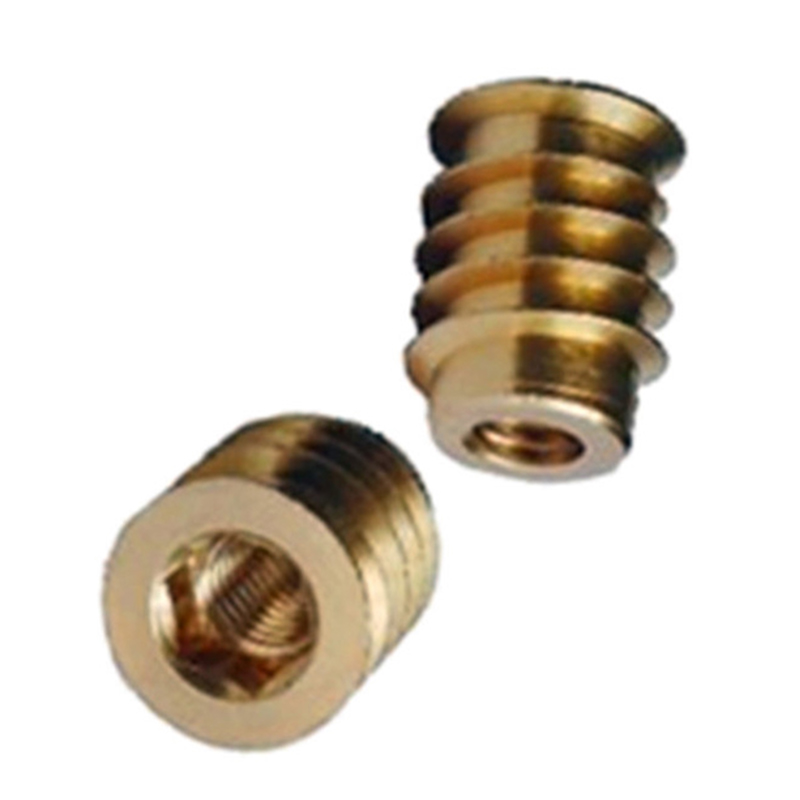
.jpg "Furniture threaded alloy insert nut for wood")
.jpg "High precision hardware furniture insert tee nut with 4 prong")
.jpg "High Precision Steel Blue and white zinc Flower Cup K-nut")