Industry knowledge
Matching Screw Length to Belt Thickness and Compression
Leather belt screws should be selected according to the compressed thickness of the leather, not only the loose thickness before assembly. Natural leather, synthetic leather, and layered belt structures may compress differently after tightening, which can affect clamping force and final appearance.
If the screw post is too short, the thread engagement may be weak. If it is too long, the belt may remain loose even after tightening. The correct screw length should allow secure thread engagement without creating excessive pressure marks on the leather surface.
Practical sizing details to confirm
- Leather thickness after folding, stacking, stitching, or adding reinforcement layers.
- Hole diameter and whether the hole is punched manually, die-cut, drilled, or laser cut.
- Thread engagement length between the screw and post after tightening.
- Head diameter needed to prevent pull-through or leather deformation.
- Whether the belt buckle or strap connection needs repeated opening and adjustment.
At Anzhikou, we usually recommend testing samples with the actual belt material, because leather softness, coating, and thickness tolerance can change the final tightening result.
Head Style and Finish Choices for Visible Belt Hardware
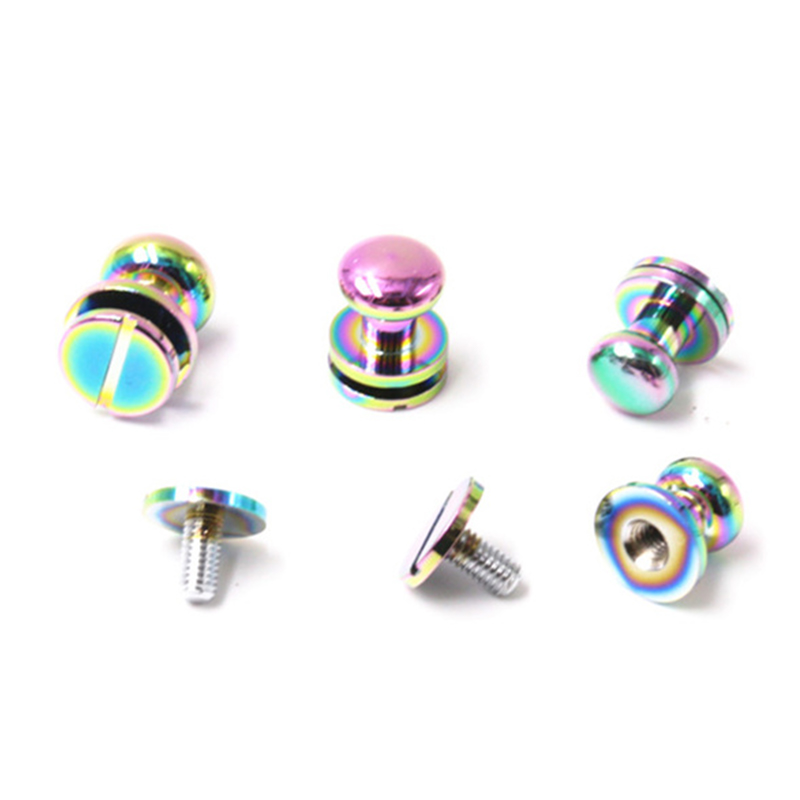
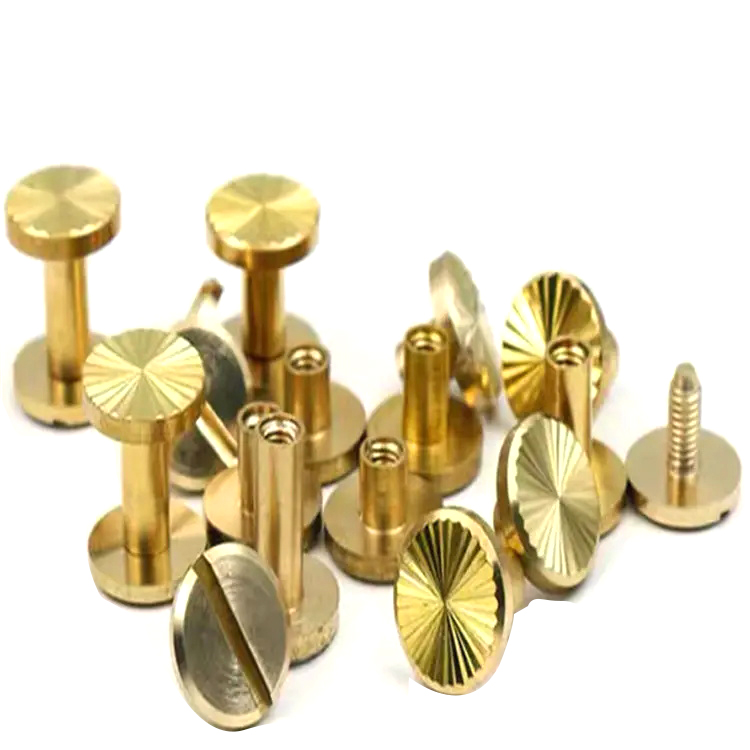
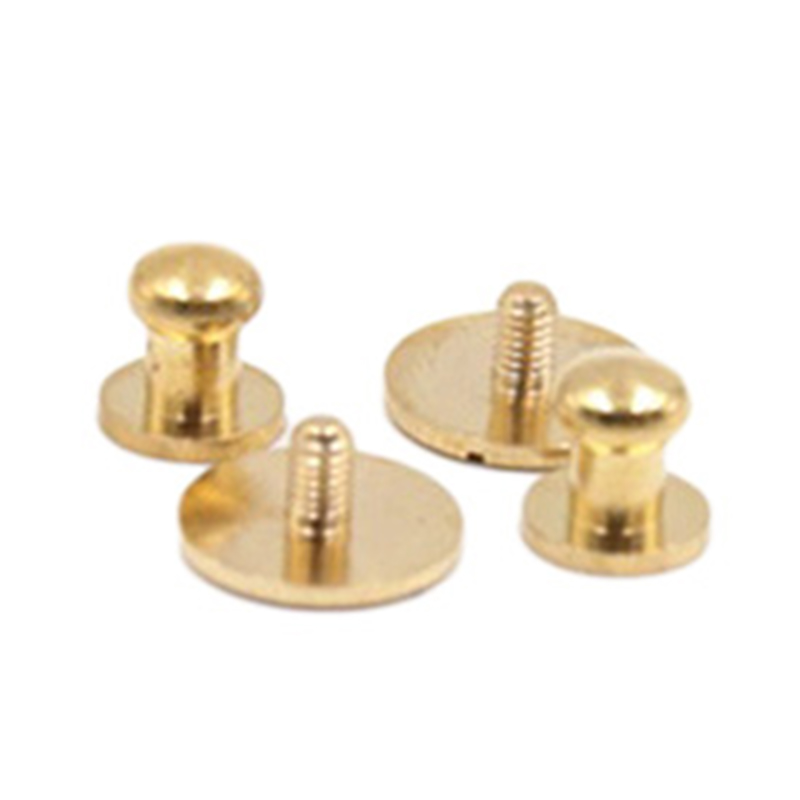
Belt screws are often visible on the finished product, so head style and finish should match the buckle, rivets, eyelets, and other hardware. A flat head can give a clean appearance, a larger head can improve clamping area, and a decorative head can become part of the belt design.
Common design choices for leather belt screw appearance and function
| Design Choice |
Main Benefit |
Buyer Attention Point |
| Flat head |
Clean surface and comfortable contact |
Head diameter should still provide enough clamping area |
| Large head |
Better pull-through resistance on soft leather |
May look too prominent on narrow belts |
| Slotted drive |
Easy installation and adjustment |
Slot edges should be smooth to avoid scratching leather |
| Decorative finish |
Matches buckle color and product style |
Color consistency and scratch resistance should be defined |
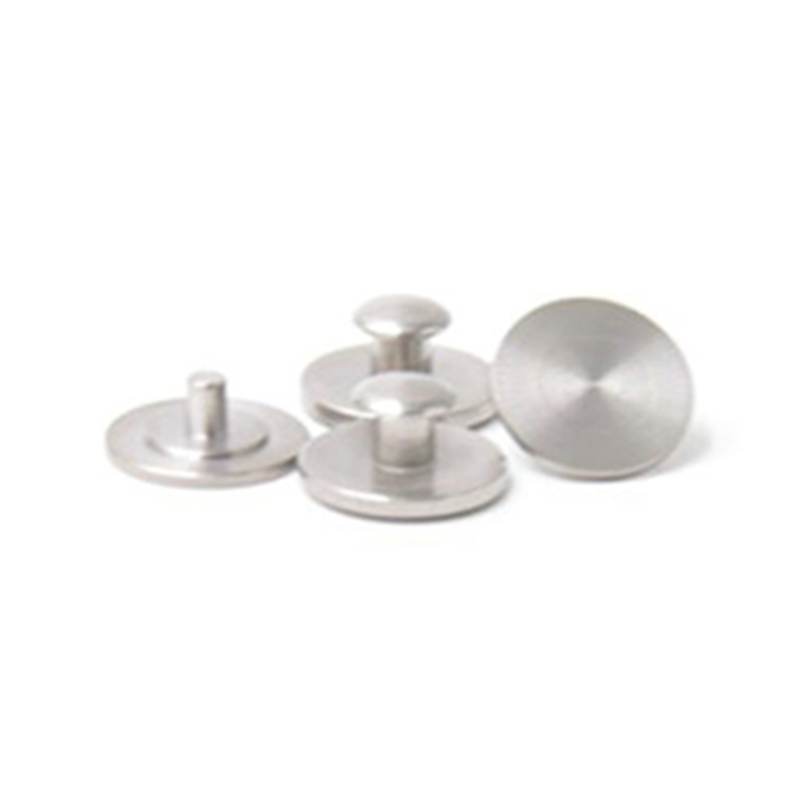
Anzhikou can support customized belt screw finishes such as nickel color, black finish, brass tone, antique effect, stainless steel color, or other appearance requirements based on the buyer’s product style.
Preventing Loosening in Belts Used Daily
Belts are repeatedly bent, pulled, adjusted, and exposed to friction during daily use. These movements may gradually reduce clamping force, especially when the screw is used near the buckle or strap connection. Buyers should consider anti-loosening needs when the belt is positioned as durable, adjustable, or reusable.
Anti-loosening methods may include better thread engagement, suitable tightening torque, thread-locking treatment, nylon patch, or structural design that limits rotation. For belt applications, loosening prevention should not damage leather appearance or make future adjustment impossible.
Useful anti-loosening checks
- Confirm whether the screw is intended for one-time fixing or repeated adjustment.
- Test tightening feel on the real belt material after compression.
- Check whether thread-locking treatment affects assembly convenience.
- Evaluate whether the screw head leaves pressure marks after long-term use.
- Inspect the screw after bending, pulling, and repeated opening tests.
With anti-loosing processing capability and 20 years of non-standard screw customization experience, Anzhikou can help buyers choose fastening details that balance durability, appearance, and user adjustment needs.
Inspection Standards for Leather Belt Screw Orders
For leather belt screw orders, inspection should include both metal part quality and finished-product assembly performance. A screw may meet dimensional requirements, but still be unsuitable if it scratches the leather, creates uneven pressure, has color difference, or does not tighten smoothly with the matching post.
Buyers should define appearance standards before mass production, especially when screws are visible on premium belts or matched with branded hardware. For fashion and leather goods, the screw is both a fastening part and a visible design detail.
Recommended inspection items
- Head diameter, head height, post length, thread size, and total assembly height.
- Thread engagement, tightening smoothness, and resistance to loosening after use simulation.
- Surface finish, color consistency, scratches, stains, burrs, and plating marks.
- Edge smoothness around the slot, head, and post to protect leather from abrasion.
- Packaging protection to prevent rubbing, mixing, or visible surface damage during shipment.
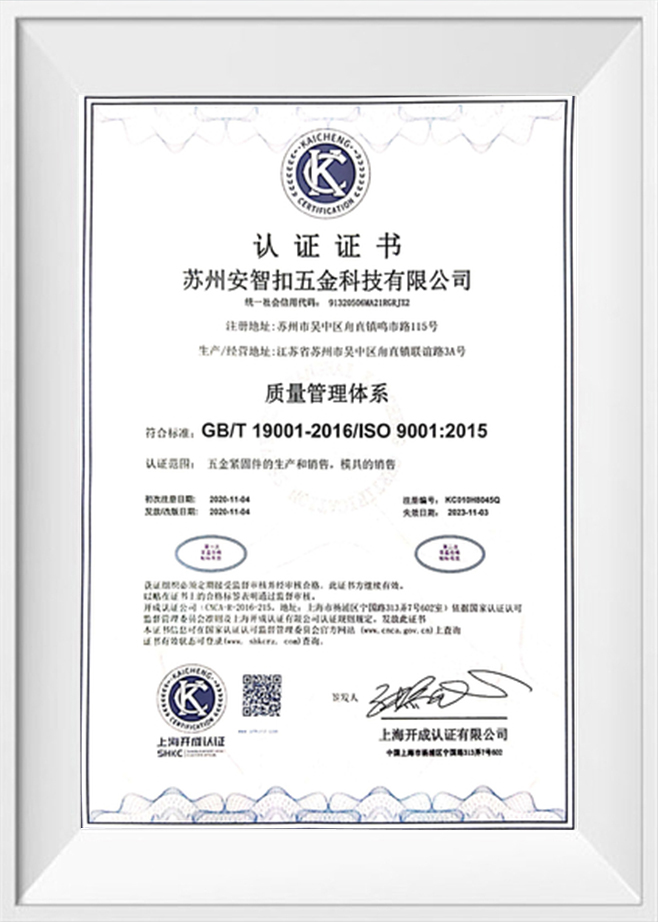
Anzhikou has complete testing equipment and has passed ISO9001:2015 quality system certification, allowing us to support customized leather belt screw production with practical dimensional, appearance, and assembly inspection control.

 English
 Español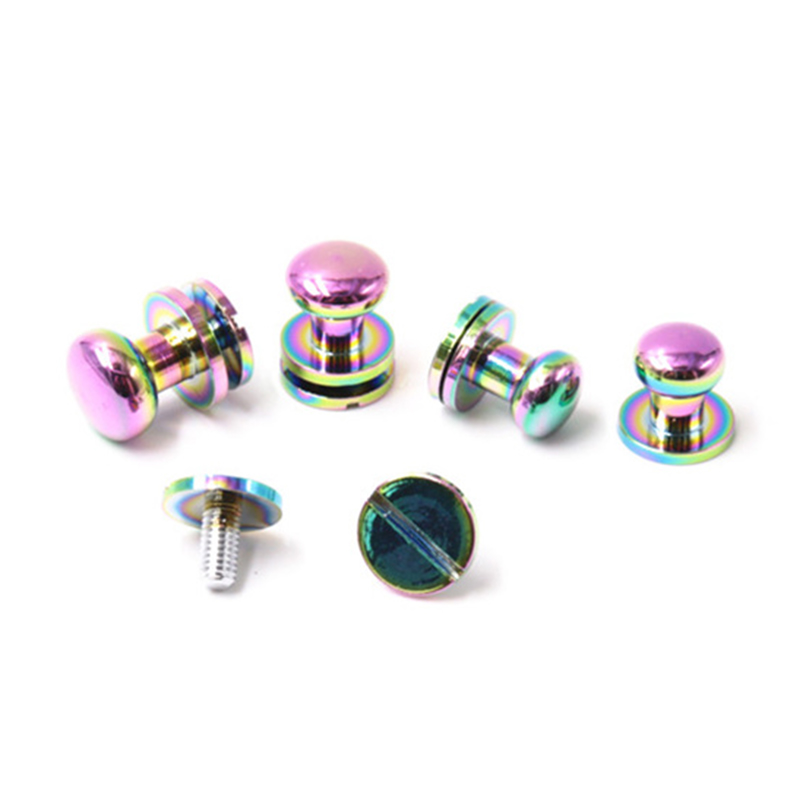
.jpg "4mm-10mm Solid Brass Screwback Sam Brown Button Stud For leather")
.jpg "6mm round head gold solid brass leather button screwback stud")
.jpg "Customized leather belts use slot flat head brass chicago screw")
.jpg "Customized solid brass chicago binding rivets screw for leather")
.jpg "Installing head brass screwback button studs for leather bag")
.jpg "M4X5mm metal chicago screw book binding screw for leather")
.jpg "Round head brass screwback screw rivet pacifier nail for leather")