Telephone: +86-0512-65028068
Content
Waterproof self sealing screws are fasteners designed with an integrated rubber or EPDM washer beneath the head that compresses tightly against the surface material once driven in. This compression creates a watertight barrier around the screw shaft, preventing moisture from seeping into the hole and causing rust, rot, or structural damage over time. Unlike standard screws that leave a small gap around the shank, these fasteners are engineered specifically to handle exposure to rain, humidity, and direct water contact, making them a preferred choice for roofing, siding, decking, and outdoor construction projects.
The core difference lies in the washer material and the screw's coating. Most quality waterproof self sealing screws use a corrosion-resistant coating such as zinc, ceramic, or color-matched paint finishes combined with a bonded neoprene or EPDM rubber gasket. This combination ensures the fastener not only resists water penetration but also withstands years of UV exposure, temperature fluctuations, and mechanical stress without cracking or losing its sealing capability.
When a self sealing screw is driven into a surface, the washer beneath the head flattens and spreads outward, filling any microscopic gaps between the screw head and the material being fastened. This creates a compression seal that blocks water from traveling down the screw shaft into the substrate below. The washer's elasticity also allows it to adapt to slight surface irregularities, such as ridges on corrugated metal roofing panels, ensuring a consistent seal even on uneven surfaces.
Over-tightening a self sealing screw can crush the washer beyond its effective range, reducing its ability to seal properly, while under-tightening leaves gaps that allow water infiltration. Using a torque-controlled driver or drill with an adjustable clutch helps achieve the ideal compression, where the washer bulges slightly but remains intact and fully seated against the surface.
Choosing waterproof self sealing screws over standard fasteners offers several practical advantages, especially for structures constantly exposed to the elements. Below is a summary of the primary benefits.
| Benefit | Description |
| Leak Prevention | Blocks water from entering fastener holes, reducing risk of interior leaks |
| Corrosion Resistance | Coatings resist rust even in humid or coastal environments |
| Longer Lifespan | Reduces maintenance and replacement frequency for outdoor structures |
| Improved Structural Integrity | Prevents wood rot and metal weakening caused by trapped moisture |
These benefits combine to lower long-term repair costs, particularly for roofing systems where even a small leak can lead to significant water damage inside a building.
Waterproof self sealing screws are used across a wide range of construction and home improvement projects where moisture exposure is a concern. Their versatility makes them suitable for both residential and commercial applications.
Selecting the correct waterproof self sealing screw depends on the material being fastened, the environmental conditions, and the expected load. Consider the following factors before making a purchase.
Screws designed for metal roofing typically feature a self-drilling tip that cuts through thin metal without pre-drilling, while wood applications often require a sharp-point screw with deeper threads for better grip. Matching the screw type to the base material ensures a secure, long-lasting fastening point.
EPDM rubber washers generally outperform standard neoprene in extreme temperature ranges and offer better resistance to UV degradation, making them a worthwhile investment for structures in harsh climates.
Proper installation is just as important as choosing quality screws. Driving screws at a slight angle, using the wrong drill speed, or misaligning the fastener with roofing ribs can compromise the seal even with premium materials.
Always drive screws straight down into the material, positioning them on the flat sections of corrugated panels rather than the raised ribs, since fastening on the ribs can create gaps beneath the washer. Using a screw gun with an adjustable clutch set to stop once the washer compresses slightly prevents both under- and over-driving, preserving the integrity of the waterproof seal.
Even high-quality waterproof self sealing screws benefit from periodic inspection, especially after severe weather events. Checking for cracked washers, loosened screws, or visible rust helps catch potential leak points before they cause damage.
Replacing any screw with a deteriorated washer promptly, rather than waiting for visible leaks, extends the service life of roofing and siding systems significantly. Routine maintenance combined with correctly selected and installed fasteners can keep outdoor structures watertight and structurally sound for many years.
CONTACT DETAILS

Address:NO. 248-2 Changhongbei Road, Luzhi Town, Wu zhong District,Suzhou City, Jiangsu Province,China.
TEL:+86-13913588597
PRODUCTS
MOBILE TERMINAL




 English
 Español
-1.jpg "Customized brass inserts injection molded for plastic")
.jpg "M4 pan head cross recessed bamboo shaped screw for door handle")
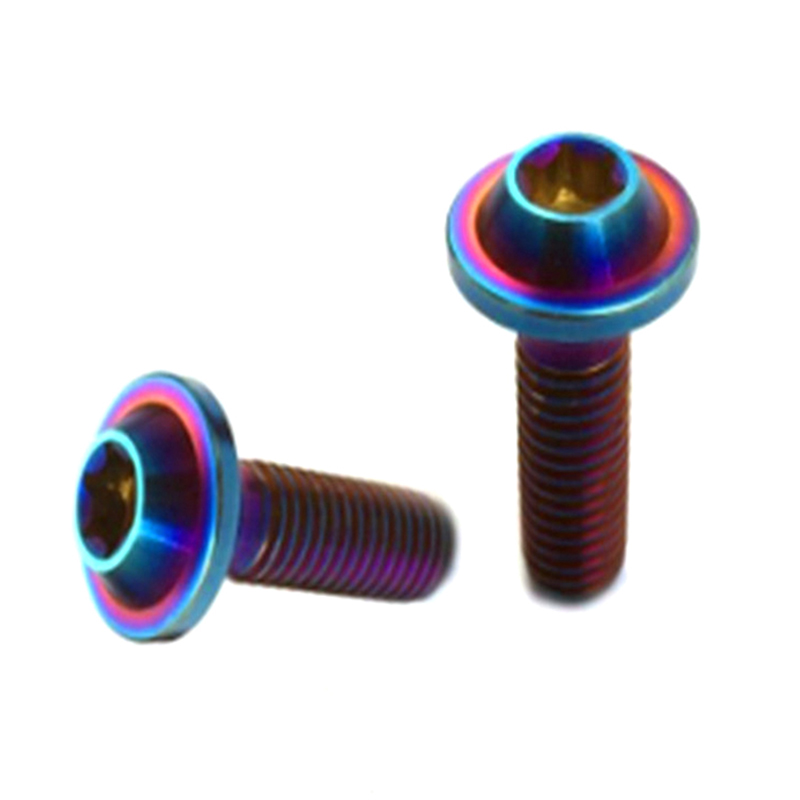
.jpg "M3 M4 M5 M6 M8 M10 GR2 GR5 torx head Titanium screws for bicycle")
.jpg "M6x17 Titanium truss head hex socket torx screw for motorcycle")
.jpg "M6X17mm socket head titanium fastener Self Tapping screw")