Industry knowledge
Across-Flats Tolerance in Hex Head Screws and Its Effect on Wrenching Reliability
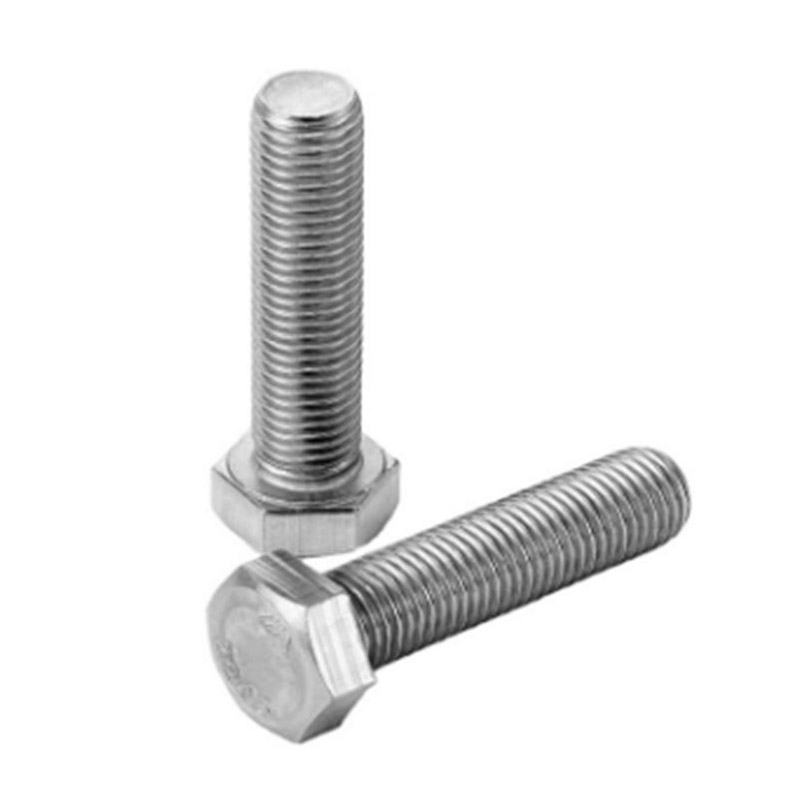
The across-flats (AF) dimension of a hex head screw is the parameter that determines whether a wrench or socket seats correctly on the fastener head. While this seems straightforward, the tolerance window assigned to AF — and how it interacts with wrench manufacturing tolerances — has a direct effect on whether installation torque is transmitted efficiently or whether the tool slips, rounds the flats, or applies uneven load. Under ISO 4014 and DIN 931, the AF tolerance for a hex head bolt in product grade A is specified as h15 for sizes up to M16, which allows a significant negative deviation from nominal. For an M10 bolt (nominal AF 17 mm), the minimum permissible AF under h15 is 16.73 mm — a gap of 0.27 mm relative to nominal.
In isolation, 0.27 mm sounds negligible. Combined with a standard open-end wrench manufactured to its own tolerance (typically +0.19 mm on the jaw opening for a 17 mm wrench per DIN 894), the total clearance between wrench jaw and bolt flat can reach 0.46 mm. At high torque, this clearance allows rotational slop that concentrates contact stress at the flat corners rather than distributing it across the full flat face. The result is corner rounding — first on the bolt, then on the wrench jaw — and a progressive loss of engagement that typically becomes unacceptable after 5–15 high-torque cycles. For applications requiring repeated installation and removal, specifying a tighter AF tolerance at procurement — or upgrading to a hex socket (Allen) configuration that eliminates jaw clearance entirely — is a concrete countermeasure with no structural penalty.
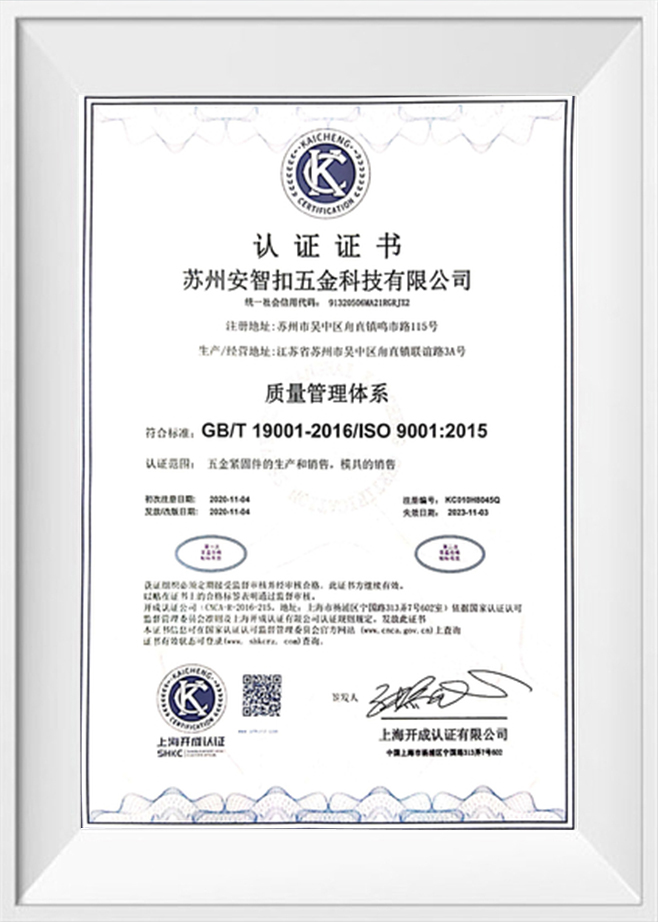
Suzhou Anzhikou Hardware Technology Co., Ltd. produces hex head screws with across-flats dimensions held to customer-specified tolerance windows tighter than the ISO standard defaults, using thread-rolling and CNC equipment introduced from Taiwan and Japan capable of maintaining dimensional consistency across high-volume production runs without sacrificing output rate.
Solid Brass Hex Head Bolts in Electrical and Grounding Applications — Conductivity vs. Strength Trade-offs
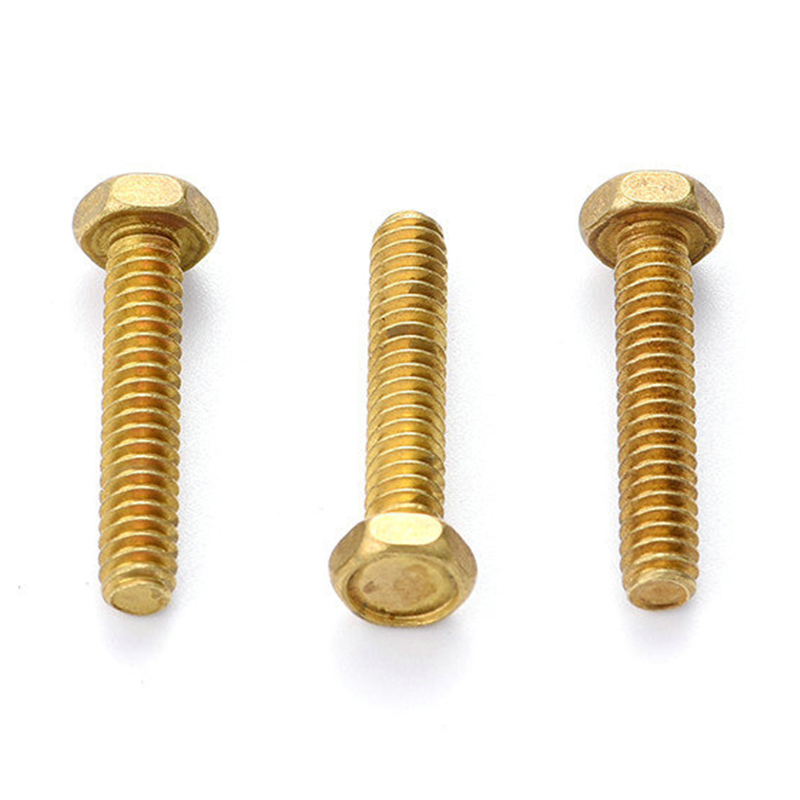
Brass is frequently selected for hex head bolts in electrical enclosures, grounding bus bars, and terminal block assemblies because of its electrical conductivity — but the conductivity of brass alloys varies significantly depending on composition, and the difference matters in applications where contact resistance is a design parameter. The two most common brass alloys used in fastener production are CuZn39Pb3 (approximately 15–18% IACS conductivity) and CuZn36Pb3 (17–20% IACS). For comparison, pure copper is 100% IACS and aluminum 6061 is approximately 40% IACS. Brass bolts are therefore not a substitute for copper where low contact resistance is critical — they are a structural compromise that provides adequate conductivity alongside far better machinability and thread-forming performance than pure copper.
In grounding applications, the more critical factor is often not bulk conductivity but interface resistance at the bolt bearing face and thread engagement. Oxide layers on brass surfaces — which form within hours of exposure to air — increase contact resistance by an order of magnitude compared to freshly machined surfaces. Maintaining low contact resistance requires either a surface treatment that inhibits oxidation (silver plating for high-performance grounding, nickel plating for general use) or a joint design that ensures sufficient contact pressure to mechanically break through the oxide layer. Torque values calculated purely for structural clamping are often insufficient to achieve this oxide displacement — grounding joint design standards such as IEEE 837 and IEC 61439 address this with separate torque and contact pressure requirements that exceed typical structural fastener specifications.
Solid brass hex head bolts also exhibit a phenomenon known as stress corrosion cracking (SCC) in the presence of ammonia-containing atmospheres — agricultural facilities, refrigeration plants, and some water treatment environments. High-zinc brass alloys (above 15% Zn) are particularly susceptible. Where SCC risk exists, specifying a lower-zinc brass (CuZn10 or CuZn15) or switching to a silicon bronze alloy provides substantially better SCC resistance with only a modest reduction in machinability. Anzhikou's engineering team evaluates customer operating environments as part of the material selection process for custom fastener orders, flagging SCC risk proactively before production is committed.
Thread Engagement Length Calculation for Hex Head Screws in Non-Steel Mating Materials
The rule of thumb that "thread engagement should equal one bolt diameter" originates from steel-into-steel joint design and does not transfer safely to assemblies where the tapped hole is in aluminum, zinc die-cast, brass, or engineering plastics. These materials have significantly lower thread shear strength than steel, meaning that under the same axial bolt load, the mating threads strip before the bolt itself fails. The minimum engagement length to prevent thread stripping must be recalculated for the actual tapped material, and the required length is often 1.5× to 3× the bolt diameter depending on material pair.
The governing failure mode comparison for hex head screw joints in mixed materials is as follows:
| Tapped Material |
Approx. Thread Shear Strength |
Min. Engagement (× bolt dia.) |
Recommended Mitigation |
| Carbon Steel (Grade 8.8 equivalent) |
~600 MPa |
1.0× |
Standard design |
| Aluminum 6061-T6 |
~200 MPa |
1.5 – 2.0× |
Helical insert (Helicoil) or threaded insert |
| Zinc Die-Cast (Zamak) |
~150 MPa |
2.0 – 2.5× |
Brass insert molded or pressed in |
| Brass (CuZn39Pb3) |
~250 MPa |
1.5× |
Solid brass hex bolt preferred for matched pair |
| Nylon / Acetal (POM) |
40 – 80 MPa |
2.5 – 3.5× |
Metal insert mandatory for load-bearing joints |
Minimum thread engagement multipliers and mitigation strategies for hex head screws in common tapped materials
One practical implication: solid brass hex head bolts threaded into a brass housing are actually a well-matched material pair — the bolt and mating threads have nearly identical shear strength, making joint failure mode prediction straightforward and thread galling less likely than in dissimilar-metal combinations. This is a meaningful advantage in precision instrument housings, valve bodies, and plumbing fittings where brass-on-brass joints are common and long service life between disassembly cycles is expected.
Property Class Markings on Hex Head Screws and What They Do Not Tell You About Fatigue Life
ISO 898-1 property class markings — 8.8, 10.9, 12.9 embossed on the hex head — communicate minimum tensile strength and yield strength of the fastener, which are sufficient for static load design calculations. What these markings do not communicate is fatigue strength, notch sensitivity, or performance under cyclic loading — three properties that determine whether a hex head screw survives a vibrating assembly over a design lifetime of millions of load cycles. A property class 8.8 bolt from two different manufacturers, both meeting the minimum tensile requirements, can differ in fatigue endurance limit by 30–40% depending on thread root radius, surface finish at the thread runout, and residual stress state from the rolling process.
Thread rolling, as opposed to thread cutting, is the key process variable that most significantly influences fatigue performance. Rolling induces compressive residual stress in the thread root — the highest stress concentration zone in an axially loaded bolt — which directly opposes the tensile fatigue stress and raises the effective endurance limit. Rolled threads on property class 8.8 bolts have been shown in published studies to exceed the fatigue life of cut-thread bolts of the same property class by factors of 2× to 4× under identical loading conditions. This is why specifying "threads rolled after heat treatment" (rather than before) in critical fatigue applications adds a measurable safety margin beyond what the property class marking alone conveys.
For solid brass hex head bolts, fatigue design is additionally complicated by brass's lower fatigue ratio (endurance limit to tensile strength) compared to steel — typically 0.25–0.30 for brass versus 0.40–0.50 for medium carbon steel. This means that a brass bolt operating at 40% of its tensile strength under cyclic loading may still be in a fatigue-critical regime, whereas a steel bolt at the same stress fraction would be safely below its endurance limit. Suzhou Anzhikou Hardware Technology Co., Ltd. uses thread-rolling wire equipment as part of its standard production process for both steel and brass hex head screws, ensuring that the compressive residual stress benefit is consistently present regardless of batch size — a process capability that directly supports customers designing for fatigue-critical service across its 40-country export market.

 English
 Español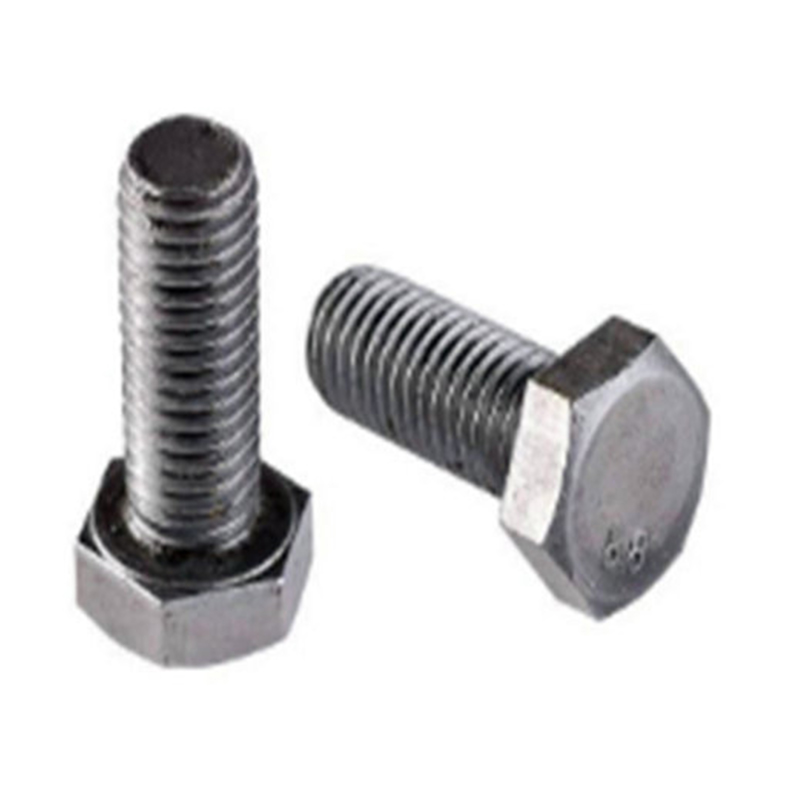
.jpg "Din933 black Strength ShankHexagon Head half thread Bolt")
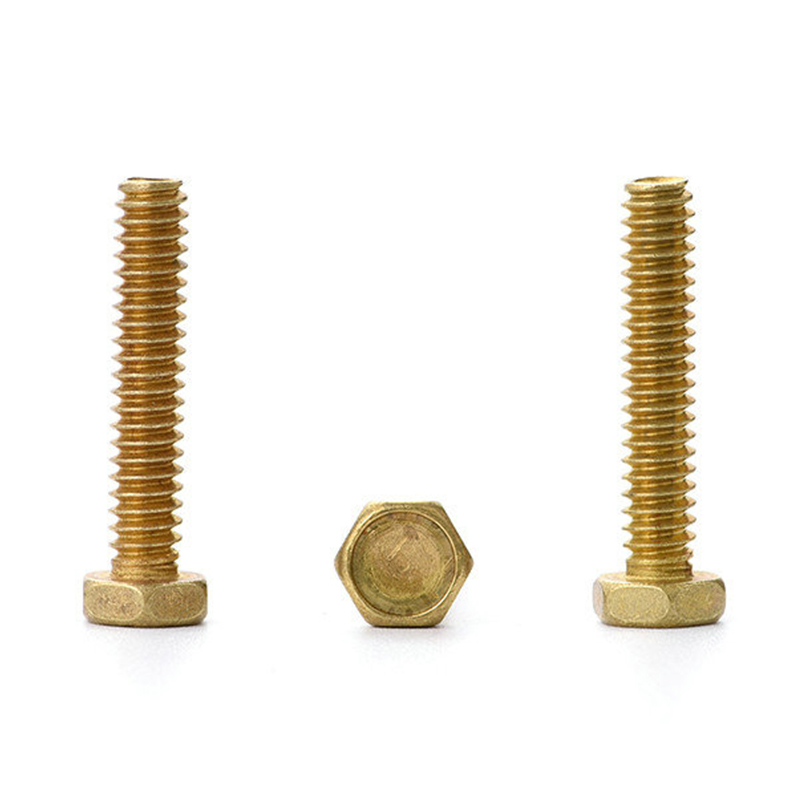
.jpg "DIN933 Duplex stainless steel hex head bolt")
.jpg "Din933 fastener stainless steel screws a2-70 a4-80 hex head bolt")
.jpg "High quality DIN933 M6 M8 titanium hexagon head bolt")
.jpg "Stainless steel 304 hex head cross recessed triple set screws")