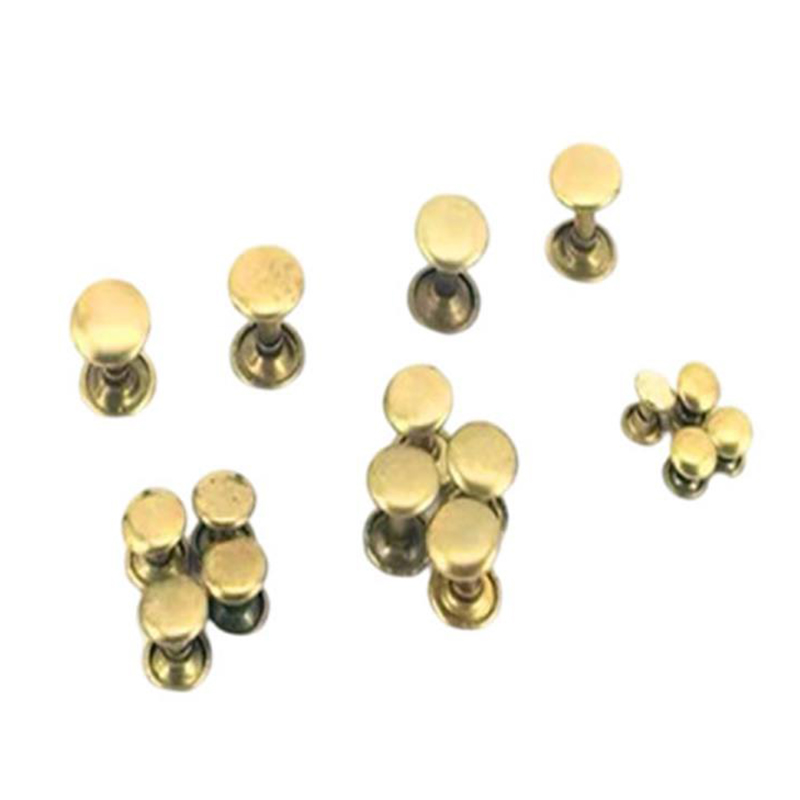
The impact of screws on the comfort of wearing a belt can vary depending on several factors including the design of the belt, the placement of the screws, and the materials used in the screws. Here are some considerations:
Screw Placement: If the screws are positioned in a way that they protrude or press against the wearer's body, they may cause discomfort, especially if the wearer sits for extended periods or wears tight clothing.
Screw Size and Shape: Large or protruding screws may dig into the skin or cause irritation, whereas smaller, low-profile screws are less likely to cause discomfort.
Materials Used: The material of the screws can also impact comfort. For example, stainless steel or
brass screws with smooth edges are less likely to cause irritation compared to screws with rough or sharp edges.
Buckle Design: The design of the buckle, including the size and shape of the buckle as well as the attachment method (e.g., single prong, double prong, plaque buckle), can influence how the belt sits against the body and whether the screws contribute to discomfort.
Belt Thickness and Flexibility: Thicker or stiffer belts may have less flexibility, which could exacerbate any discomfort caused by the screws. Conversely, thinner and more flexible belts may conform better to the body, reducing the likelihood of discomfort.
In general, well-designed belts with properly positioned and sized screws made from smooth materials are less likely to affect comfort during wear. However, individual preferences and sensitivities can vary, so it's essential for wearers to try on belts and assess comfort before making a purchase, particularly if they anticipate wearing the belt for extended periods.





 English
 Español
.jpg "Hot sale m2.5 brass hex standoff for motherboard")
.jpg "M4 carbon steel black anti theft screws with nylon patch")
.jpg "6mm Double side brass Rivet with hanging enamel for clothes&bag")
.jpg "Nickel plated flat head m2.5 chicago screws for leather")
.jpg "Different color brass double side rivets for luggage leather")