Industry knowledge
Choosing Materials by Function, Not Only Appearance
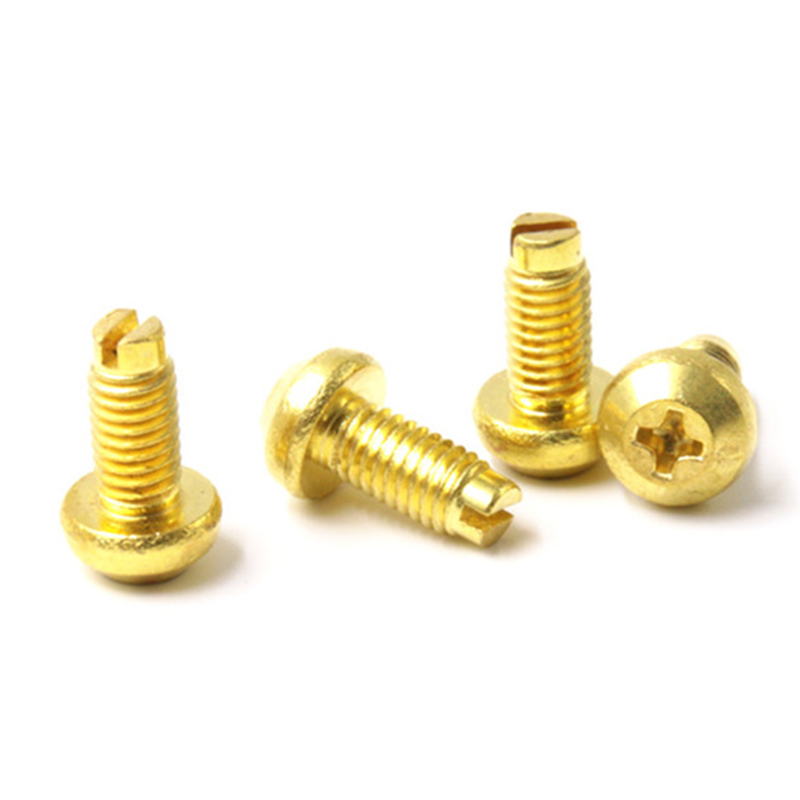
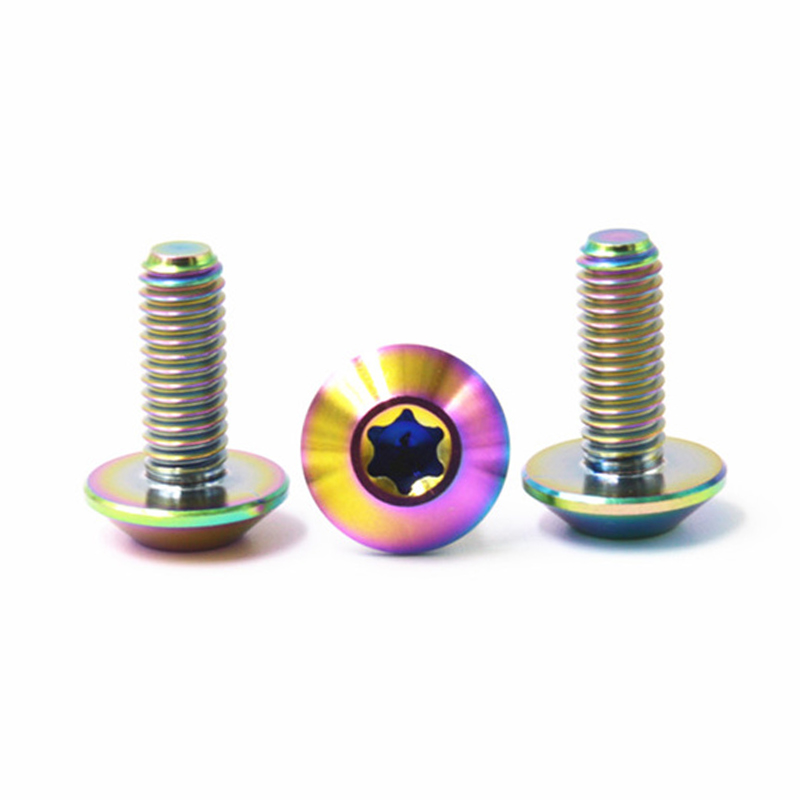
Brass screws, Titanium screws, and Aluminium screws are often selected for special material properties rather than standard fastening alone. Buyers should compare conductivity, weight, corrosion resistance, strength, machining difficulty, surface finish, and cost before confirming the final specification.
A material that looks suitable may fail if the assembly requires higher torque, repeated disassembly, outdoor resistance, or electrical performance. The right screw material should match the product structure, mating material, and actual service environment.
Material selection reference for brass, titanium, and aluminium screw applications
| Material |
Main Advantage |
Buyer Attention Point |
| Brass |
Good conductivity, decorative color, and corrosion resistance in many indoor environments |
Strength is lower than steel, so torque and thread engagement should be controlled |
| Titanium |
High strength-to-weight ratio and strong corrosion resistance |
Processing difficulty and cost are usually higher than common screw materials |
| Aluminium |
Light weight and good appearance after suitable surface treatment |
Thread strength and wear resistance need special attention |
At Anzhikou, we usually help buyers review material selection together with screw size, torque range, surface treatment, and mating part design to reduce trial-and-error during customization.
Torque and Thread Engagement for Softer Screw Materials
Brass and aluminium are easier to damage than many steel materials when the tightening torque is too high or the thread engagement is too short. For small screws, the risk becomes greater because the drive recess, head thickness, and thread area are all limited. Buyers should confirm tightening torque through sample testing rather than only relying on theoretical screw size.
For brass and aluminium screw applications, the mating material is also important. Assembly into steel, plastic, aluminium alloy, copper parts, or threaded inserts can produce different tightening feel and failure modes. Soft-material screws should be designed with enough thread engagement and realistic torque limits.
Practical design checks
- Confirm minimum thread engagement length for the mating material.
- Check whether the drive type can withstand the required tightening torque.
- Avoid overly thin heads when the product requires repeated tightening.
- Consider washers or larger head diameters when clamping soft surfaces.
- Use actual assembly testing for miniature screws or non-standard structures.
With experience in producing miniature screws as small as 0.6 mm in external diameter and 0.6 mm in length, Anzhikou pays special attention to torque stability, drive strength, and thread consistency in small-size custom orders.
Surface Treatment and Appearance Control for Special Materials
Special material screws often have visible appearance requirements. Brass may be selected for its natural golden tone or plated finish, titanium may be used for its corrosion resistance and premium appearance, and aluminium may be anodized to create different colors. However, surface treatment should be reviewed together with dimensional accuracy and assembly function.
Coating, polishing, passivation, anodizing, or cleaning can change surface color, friction, and sometimes final fit. For precision screws, surface treatment is not only decorative; it can affect torque, thread engagement, and inspection standards.
Surface treatment points to define
- Confirm whether the finish is mainly decorative, corrosion-resistant, conductive, or wear-resistant.
- Define acceptable color difference for visible screw heads in the same product batch.
- Check whether coating thickness changes thread fit or drive recess dimensions.
- Confirm whether surface friction affects tightening torque and locking performance.
- Specify scratch, stain, burr, oxidation mark, and packaging protection requirements.
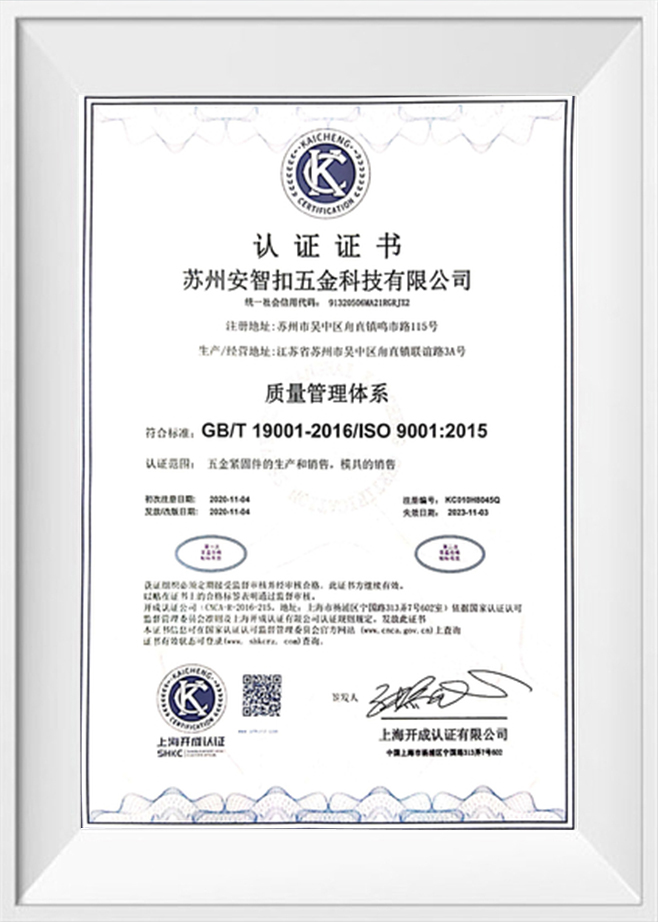
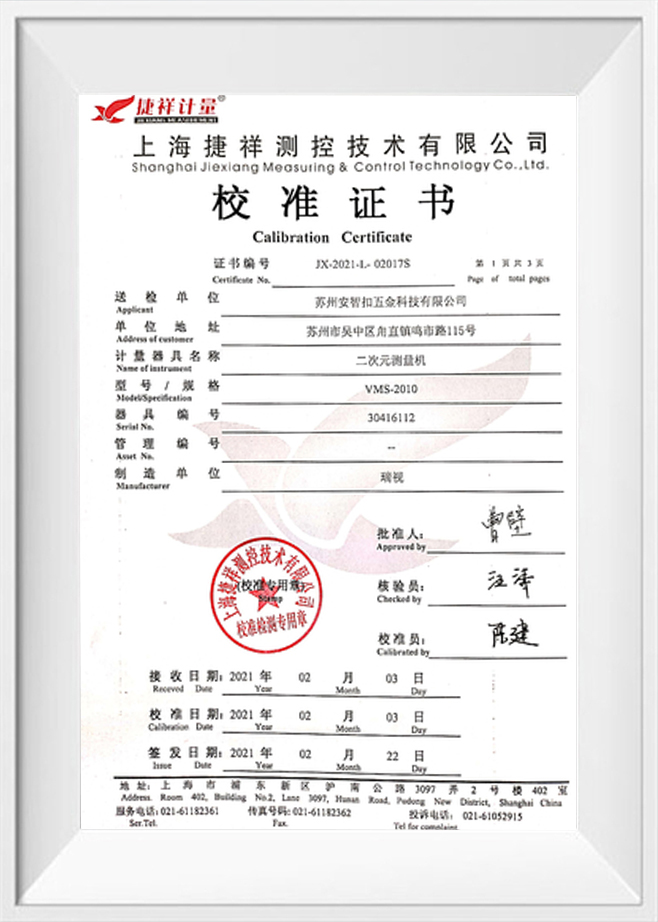
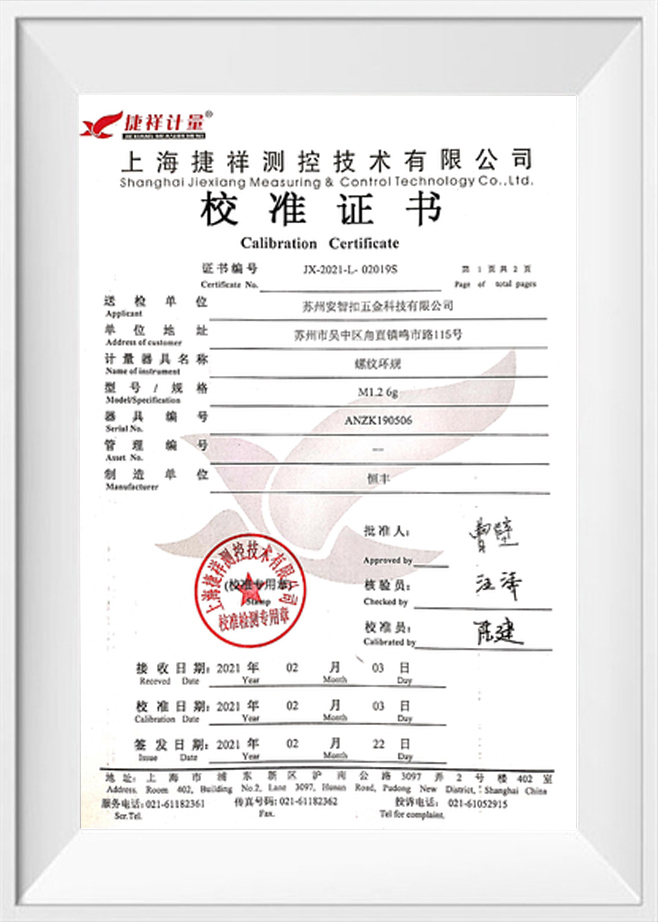
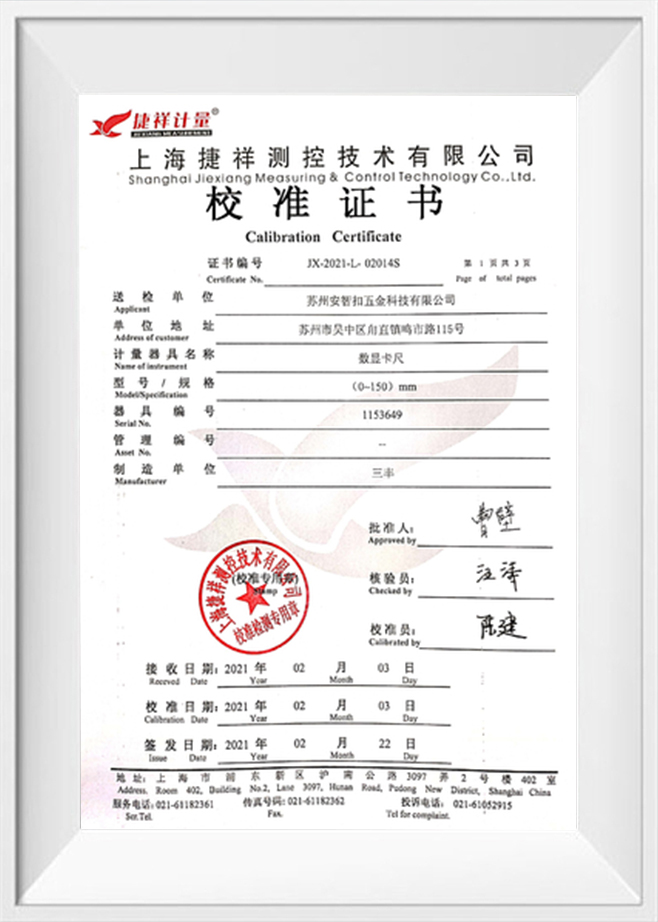
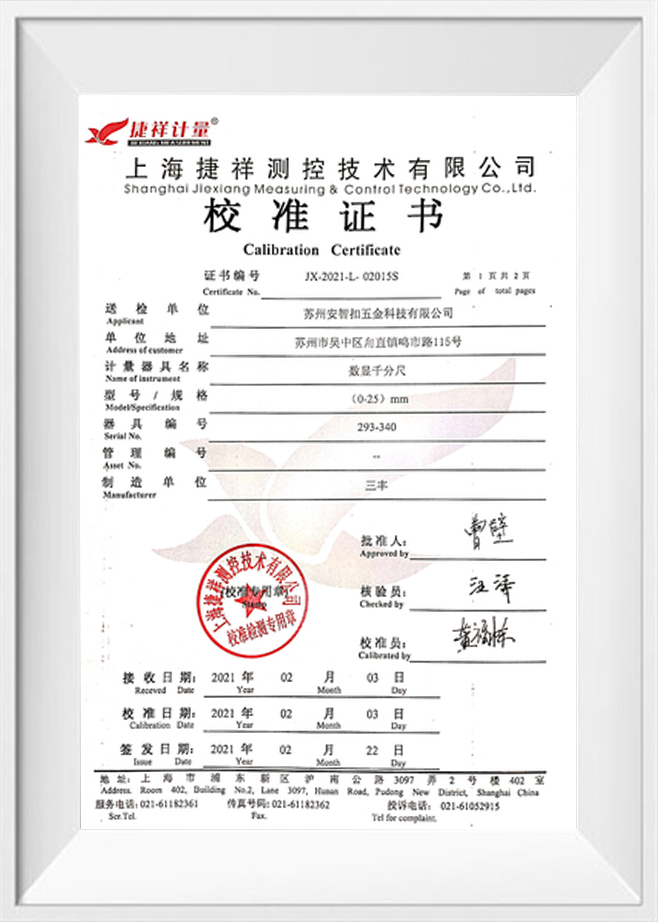
Anzhikou has complete testing equipment and ISO9001:2015 quality system certification, so we can support buyers in setting practical appearance and dimensional inspection standards for special-material screw orders.
Customization Planning for Brass, Titanium, and Aluminium Screw Projects
When selecting non-standard screws made from brass, titanium, or aluminium, buyers should consider manufacturability early. Small head shapes, deep recesses, special shoulders, reduced shanks, thin walls, and decorative finishes may be more difficult to produce consistently with these materials than with common carbon steel.
A practical customization plan should include drawings, application environment, mating part material, required torque, surface finish, and inspection method. The earlier the material behavior is considered, the easier it is to avoid deformation, thread damage, finish defects, and assembly instability.
Useful information to provide for quotation and sampling
- Complete drawing with thread size, length, head type, drive type, tolerance, and material grade.
- Assembly environment, including indoor, outdoor, high humidity, vibration, or repeated maintenance conditions.
- Mating part material and hole structure for thread engagement evaluation.
- Surface treatment requirements, such as plating, polishing, anodizing, passivation, or natural finish.
- Inspection requirements for dimensions, appearance, torque, corrosion resistance, and packaging.
With 20 years of non-standard screw customization experience and more than 200 sets of precision equipment, Anzhikou can support special-material screw projects that require stable production, practical inspection control, and customized fastening performance.

 English
 Español
.jpg "Customized color m4 aluminum round head machine screws")
.jpg "M2 aluminum button head machine thread small black anodized screw")
.jpg "Customized burnt blue flange head m5 titanium bolt for motorcycle")
.jpg "Hot sale machine thread m3 gold titanium countersunk screw")
.jpg "M4 button head allen drive titanium self drilling screws")
.jpg "Custom m4 countersunk head cross antique brass machine screw")