Industry knowledge
Dimensional Control Points That Matter in Micro Screw Production
For a Micro Screw, dimensional control is not limited to outer diameter and length. Buyers should pay attention to head height, thread pitch, drive depth, tip shape, and concentricity because each feature can influence assembly reliability. In compact products, even a slight deviation may cause screw tilting, poor torque transfer, thread stripping, or interference with nearby components.
A practical specification should clearly separate critical dimensions from general dimensions. Critical dimensions directly affect assembly, locking, electrical contact, sealing, or appearance. For micro-sized parts, controlling the relationship between dimensions is often more important than controlling a single dimension alone.
Key details to confirm before customization
- Thread specification, including major diameter, minor diameter, pitch, and thread length.
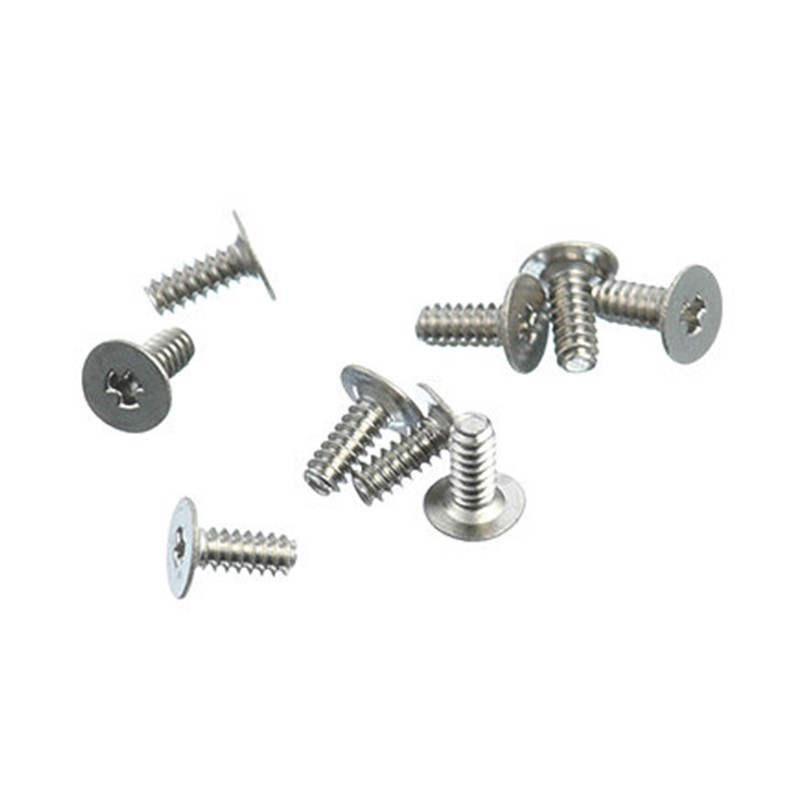
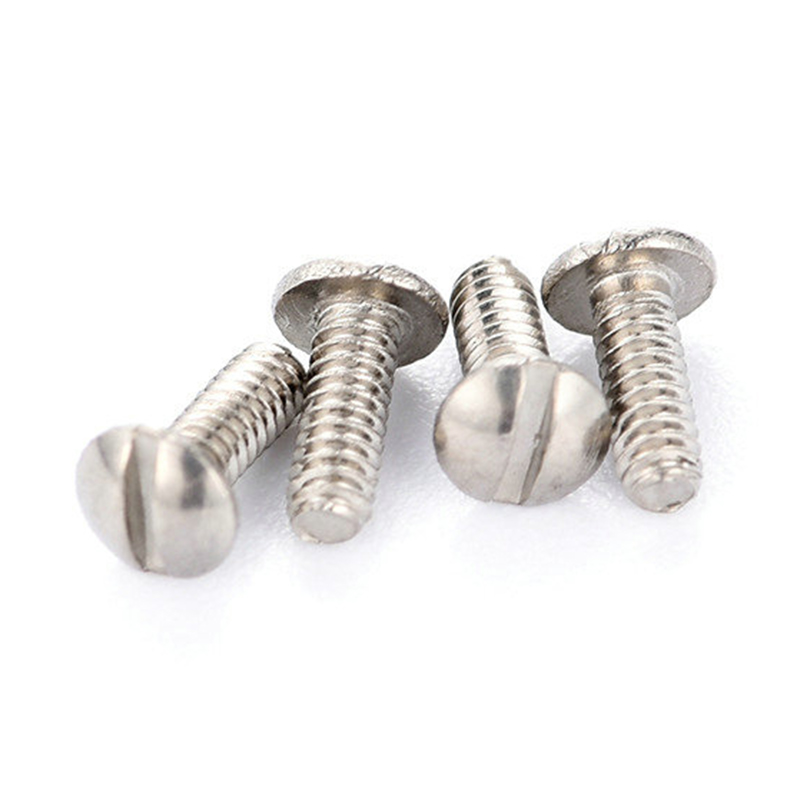
- Head type, such as pan head, countersunk head, flat head, wafer head, or customized low-profile head.
- Drive type and drive depth, especially when automatic assembly tools are used.
- Tip design, such as flat point, cone point, dog point, or self-tapping point.
- Surface treatment thickness, because plating may affect thread fit on very small screws.
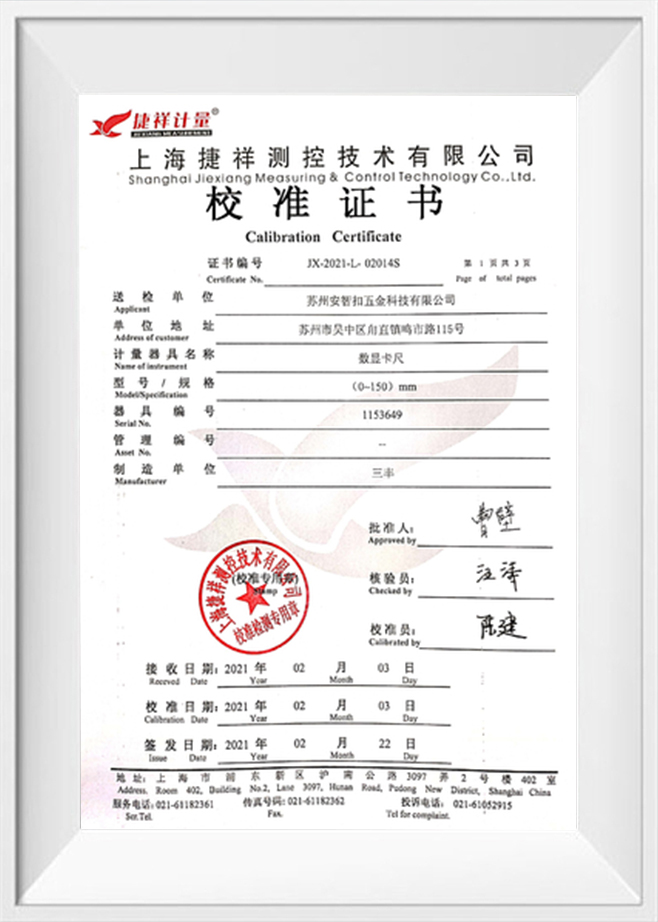
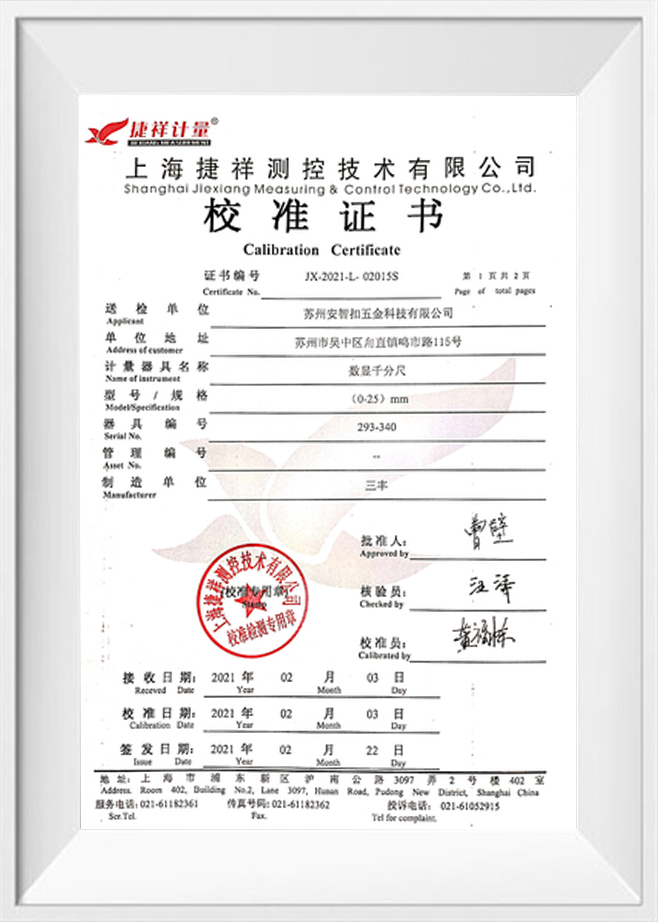
In our production experience, we can manufacture miniature screws with an external diameter of 0.6 mm and a length of 0.6 mm, so we usually recommend confirming the mating part, assembly torque, and drawing tolerance together before mass production.
Material and Surface Treatment Choices for Micro Fasteners
Material selection for Micro Fasteners should match strength, corrosion resistance, conductivity, magnetic requirements, and assembly environment. Small fasteners have limited load-bearing area, so the wrong material may lead to head breakage, thread damage, rust, or poor long-term retention.
Common material and treatment considerations for micro fastener applications
| Requirement |
Common Option |
Buyer Attention Point |
| Higher strength |
Carbon steel or alloy steel |
Heat treatment and plating compatibility should be confirmed |
| Corrosion resistance |
Stainless steel or anti-rust plating |
Salt spray requirement should match the real environment |
| Conductivity |
Copper, brass, or conductive coating |
Mechanical strength may be lower than steel |
| Decorative appearance |
Nickel plating, black zinc, passivation, or customized finish |
Color consistency and coating thickness need inspection standards |
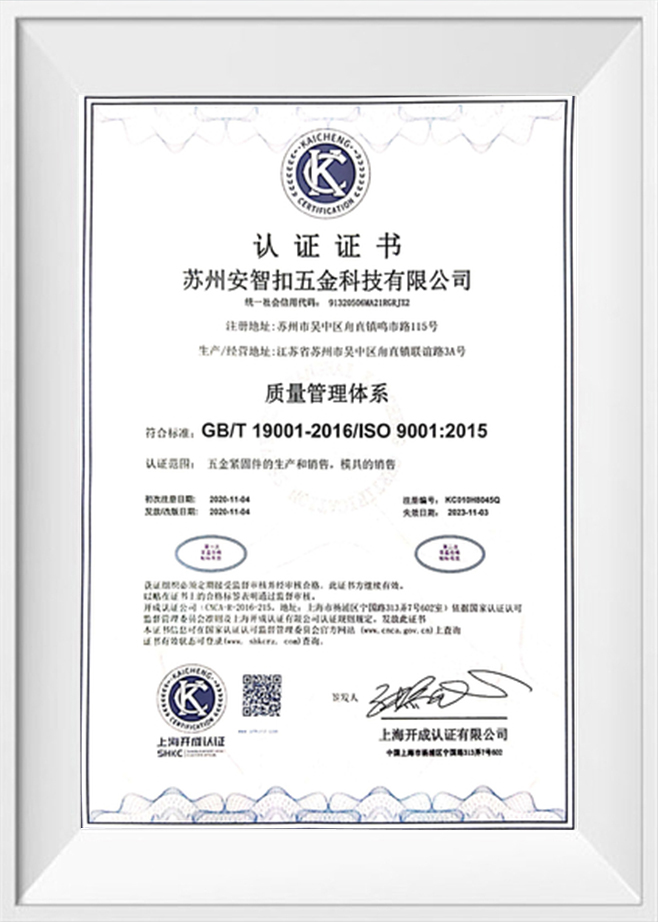
Surface treatment should not be selected only by color. For micro dimensions, coating thickness may change assembly feel and thread engagement. When the thread is very small, plating control can become a functional requirement, not just an appearance requirement. With complete testing equipment and ISO9001:2015 quality system certification, we help buyers control both appearance and usability.
Design Review Tips for Non-Standard Micro Fasteners
Non-Standard Micro Fasteners often require more design review than standard parts because the head shape, thread length, tip structure, shoulder diameter, or anti-loosening feature may be designed for a specific product. Before opening tooling or arranging batch production, buyers should check whether the design is easy to manufacture, inspect, and assemble.
Practical design review checklist
- Check whether the screw head has enough thickness to support the selected drive type.
- Confirm whether the thread engagement length is enough for the mating material.
- Avoid extremely sharp corners unless they are functionally necessary, because they may increase forming difficulty.
- Confirm whether the screw can be inspected with standard gauges or requires customized inspection tools.
- Evaluate whether the selected surface treatment will affect final thread fit or drive performance.
Our engineering team has long-term experience in non-standard screw customization, so we often help customers review drawings from the perspective of manufacturability, assembly stability, and inspection feasibility. This can reduce repeated sample modification and improve delivery efficiency.
Assembly Risk Control for Miniature Fastening Applications
Micro fastener assembly often fails because of torque mismatch, poor alignment, insufficient thread engagement, or unsuitable tool bits. Since the parts are small, damage may not be obvious at first inspection, but it can appear later as loosening, head slipping, cracking, or unstable product performance.
Buyers should define the assembly method early. Manual assembly, electric screwdriver assembly, and automatic feeding systems may require different screw head shapes, drive depths, thread designs, and surface conditions. The best micro screw is not only accurately made; it must also be easy to assemble repeatedly.
Factors that improve assembly stability
- Use a drive structure that matches the assembly tool and torque range.
- Control burrs and foreign matter to avoid jamming during automatic feeding.
- Confirm whether anti-loosening treatment is needed for vibration or repeated movement.
- Set realistic torque standards based on screw size, material, and mating part strength.
- Conduct sample testing before mass production when the structure is new or customized.
With more than 200 sets of precision equipment for cold heading, thread rolling, CNC processing, and anti-loosing treatment, we can support both standard production and customized micro fastening solutions for buyers with different quality and quantity needs.

 English
 Español
.jpg "M2 raised countersunk head hex small precision tablet PC screw")
.jpg "Mingze 0.6mm diameter high precision electronic micro screw")
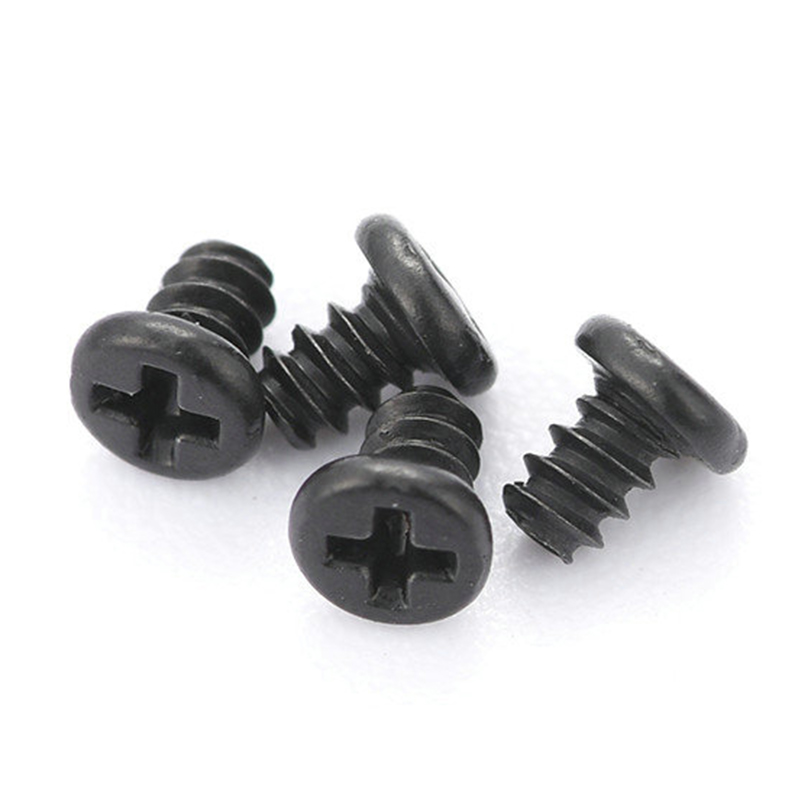
.jpg "Stainless steel 1mm precision micro screw for electronic product")
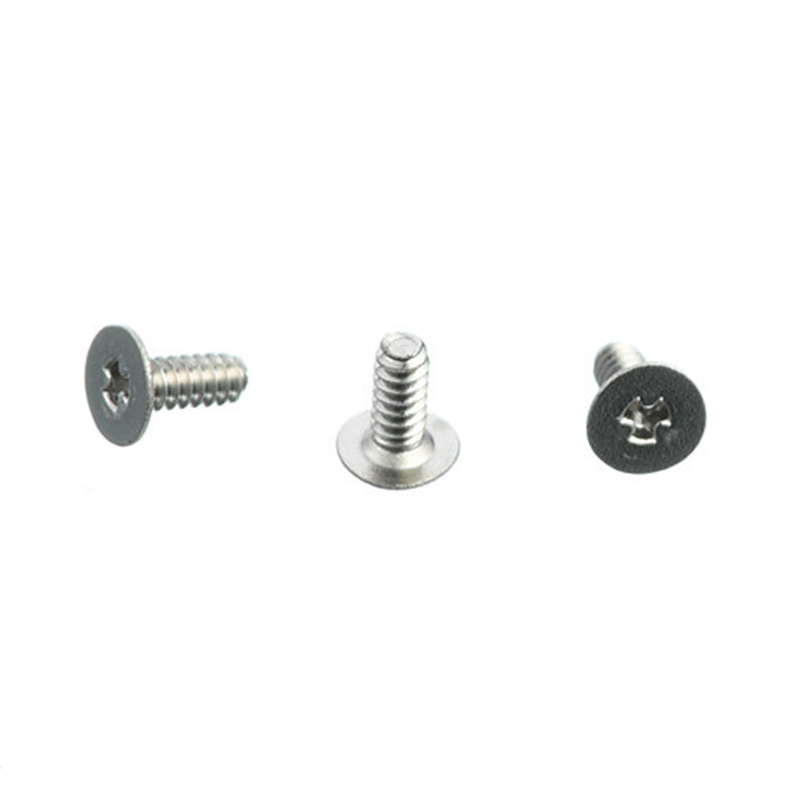
.jpg "UNF #0-80 round head cross recessed machine micro screw with nylon patch")