Industry knowledge
Choosing Between O-Ring Sealing and Sealant Sealing
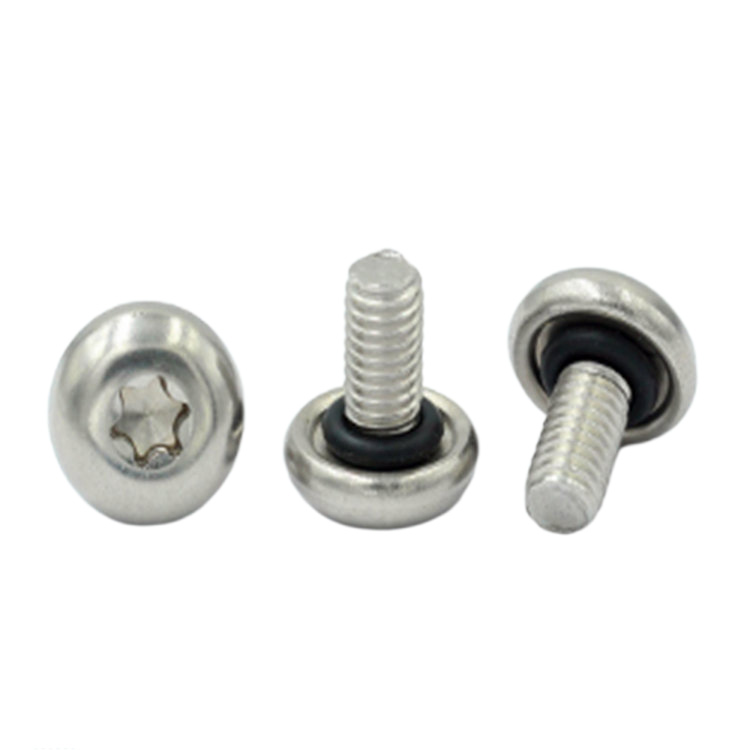
Waterproof Screws can use different sealing structures depending on screw size, installation space, and waterproof requirements. O-ring waterproof screws rely on the compression of a sealing ring, while sealant waterproof screws rely on the compression and filling effect of pre-applied sealant. Both solutions can be used in outdoor equipment, lamps, instruments, and meters.
The key selection difference is not only waterproof grade, but also screw size and assembly structure. O-ring waterproof screws are generally suitable for sizes above M1.6, while sealant waterproof screws can be applied to a wider range of sizes.
Comparison of common waterproof screw sealing methods
| Sealing Method |
Waterproof Principle |
Buyer Attention Point |
| O-ring sealing |
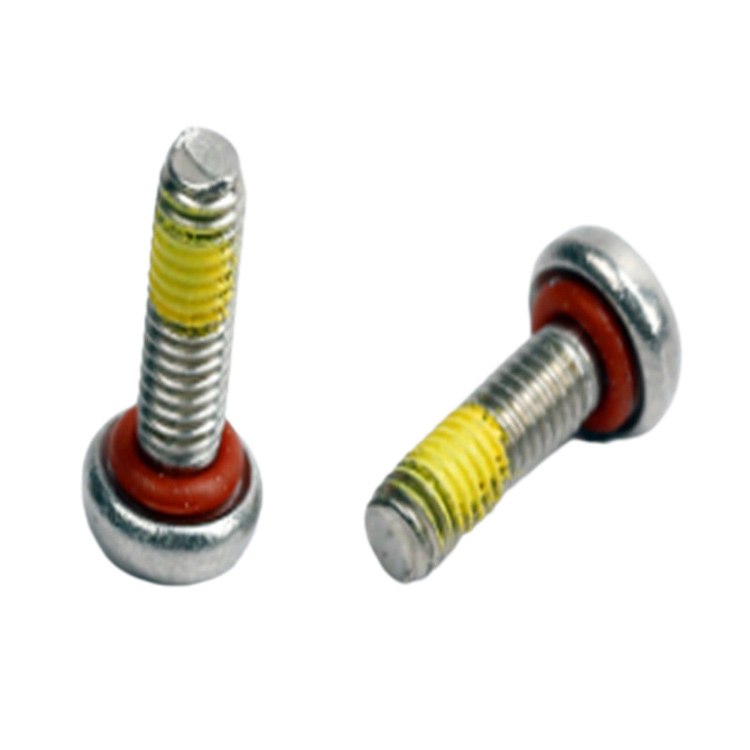
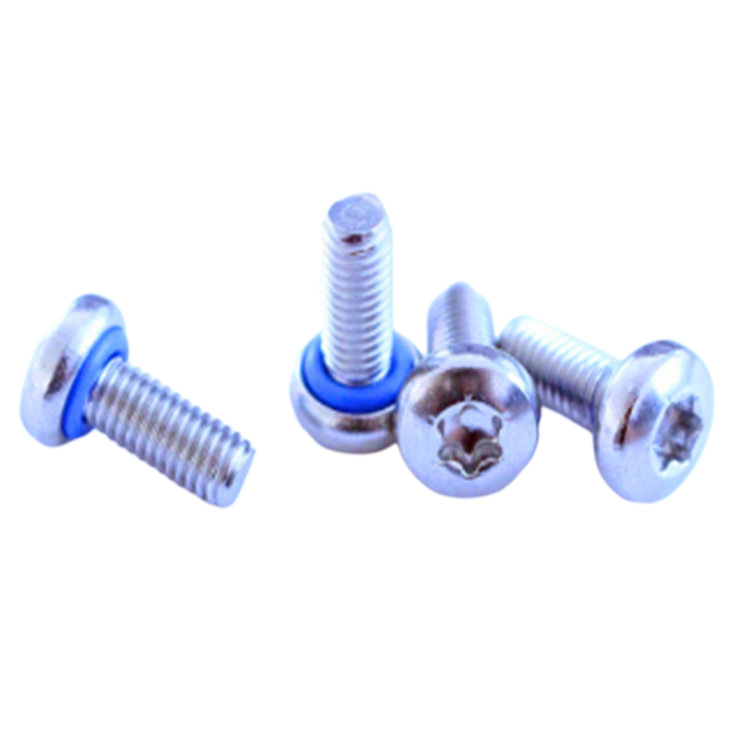
Compresses the sealing ring under the screw head or sealing area |
Usually suitable for waterproof screws above M1.6 |
| Sealant sealing |
Compresses sealant to fill the gap and block water entry |
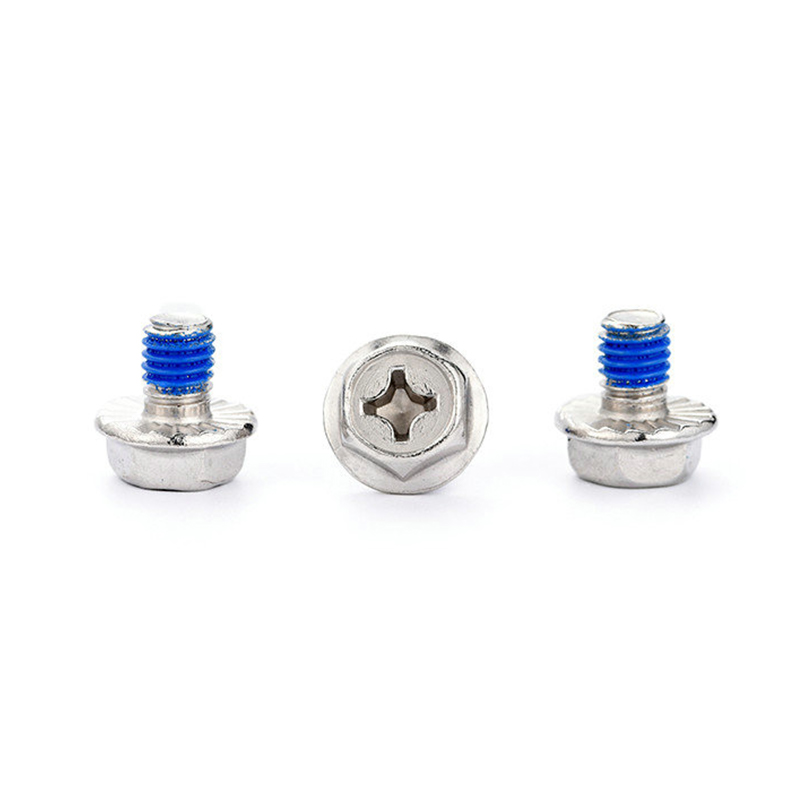
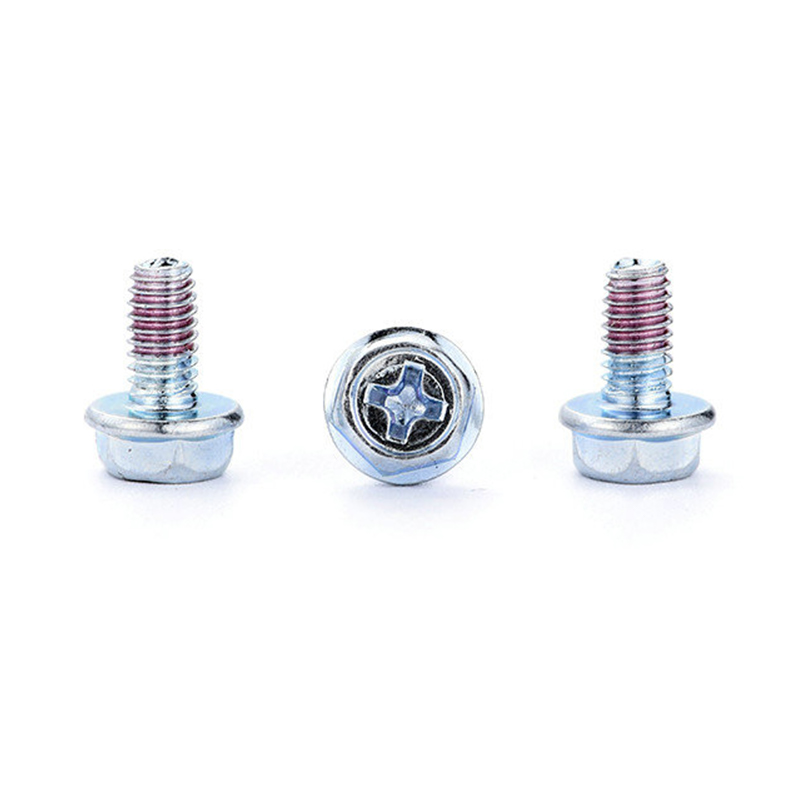
Can be used for many sizes, including very small screw designs |
| Combined sealing design |
Uses structural compression and material filling together |
Requires careful control of space, torque, and assembly pressure |
At Anzhikou, we usually recommend reviewing the screw size, housing material, hole structure, and tightening torque together before choosing between O-ring sealing and sealant sealing.
Why Compression Control Determines Waterproof Reliability
Self Sealing Screws achieve waterproofing through compression. If the sealing ring or sealant is not compressed enough, water may enter through the gap. If the compression is too strong, the sealing material may deform excessively, shift position, crack, or lose long-term recovery performance.
Buyers should define not only the screw drawing, but also the installation condition. The final waterproof effect is related to screw head geometry, sealing material thickness, mating surface flatness, tightening torque, and hole tolerance. A waterproof screw must be tested in the real assembly, not only inspected as a single part.
Practical compression control factors
- Tightening torque and whether the assembly uses manual, electric, or automatic tools.
- Flatness and roughness of the contact surface around the screw hole.
- Sealing ring hardness, sealant thickness, and compression recovery ability.
- Hole diameter tolerance and whether there is a countersink or sealing groove.
- Whether vibration, heat, outdoor exposure, or repeated maintenance will affect sealing stability.
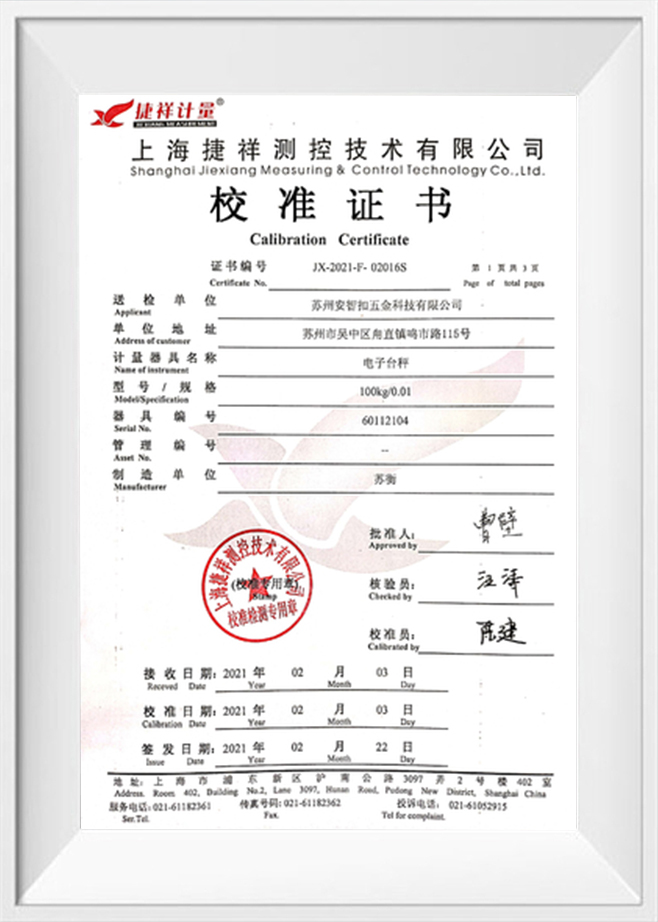
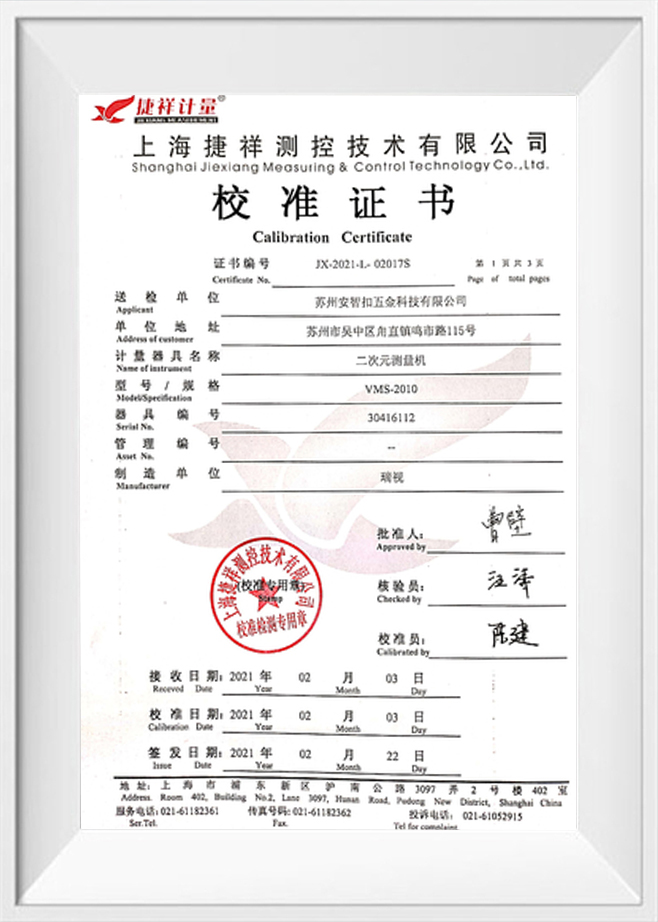
With complete testing equipment and long-term precision screw production experience, Anzhikou can help buyers set practical assembly and inspection points for waterproof fastening projects.
Material and Passivation Considerations for Outdoor Use
Waterproof applications often involve outdoor equipment, lighting products, instruments, meters, and exposed housings. Stainless steel is commonly selected because of its corrosion resistance, while passivation can further improve rust resistance by helping strengthen the protective surface condition of stainless steel.
However, material selection should also consider strength, head shape, thread engagement, and compatibility with the sealing material. Water resistance and rust resistance should be evaluated together, especially for outdoor products with long service cycles.
Information buyers should confirm
- Whether the screw is exposed to rain, humidity, dust, temperature change, or chemical contact.
- Whether stainless steel material strength is enough for the required tightening torque.
- Whether passivation, plating, or another surface treatment is required after cold heading.
- Whether the sealing material is compatible with the screw surface and mating housing material.
- Whether appearance consistency is required for visible screws on lamps or instruments.
Anzhikou produces waterproof screw parts mainly through cold heading and supports stainless steel surface passivation requirements, helping buyers balance production efficiency, sealing performance, and corrosion resistance.
Inspection Planning for IP67 and IP68 Waterproof Fastening
Waterproof screw orders should be inspected for both dimensional accuracy and sealing performance. A screw may meet drawing size requirements but fail waterproof testing if the seal is not compressed correctly, the mating surface is uneven, or the sealant coverage is inconsistent.
For applications targeting IP67 or IP68 performance, buyers should define the test method, sample quantity, assembly torque, immersion condition, and acceptance standard before mass production. IP performance should be verified under agreed assembly conditions, because the screw and the product housing work as one sealing system.
Recommended inspection items
- Thread size, head diameter, head height, total length, and sealing area dimensions.
- O-ring position, sealant coverage, sealing material thickness, and visible defects.
- Torque stability and whether sealing material shifts during tightening.
- Waterproof test after assembly, especially for outdoor lamps, instruments, and meters.
- Corrosion resistance, passivation quality, burr control, and packaging protection.
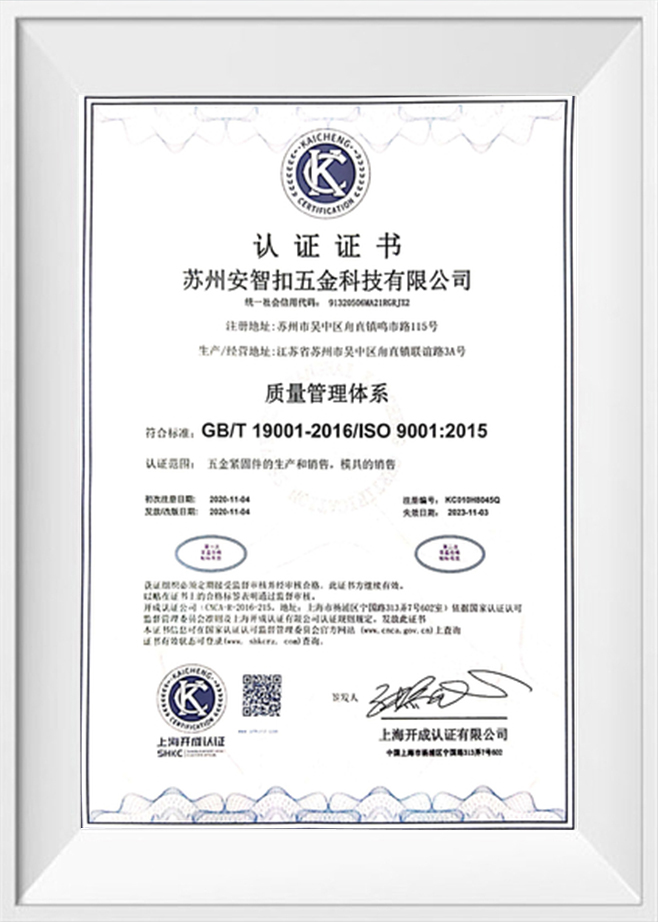
Anzhikou has passed ISO9001:2015 quality system certification and has more than 200 sets of precision equipment, so we can support customized waterproof screw production with stable process control and practical inspection standards.

 English
 Español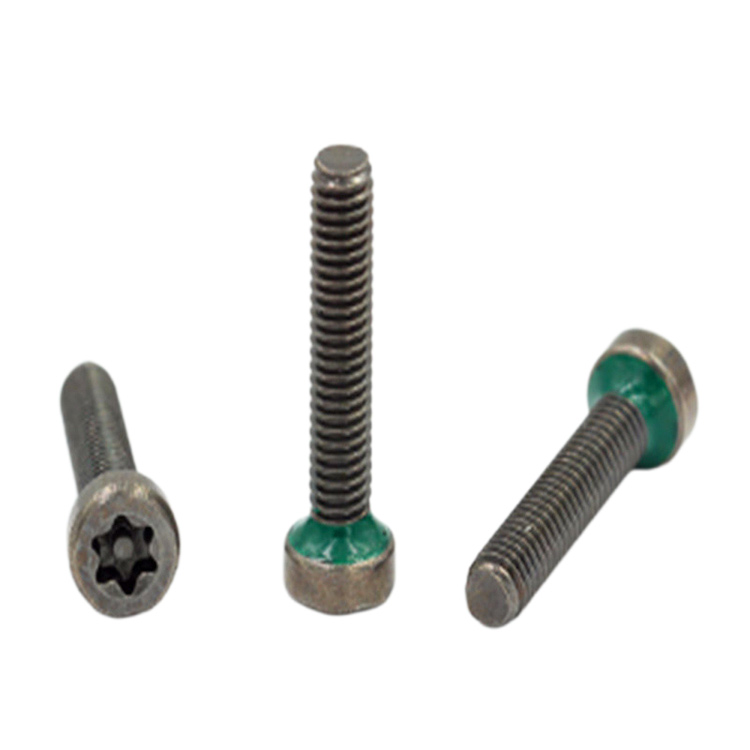
.jpg "DIN7985 pan head waterproof screw with o ring sealing")
.jpg "Mingze high quality waterproof self sealing screw with red O ring")
.jpg "New design black pan washer torx waterproof screw")
.jpg "New design hex socket cup head self sealing screw with O ring")
.jpg "PM3X10 waterproof Pan Head locking Machine Screw for electronic")