Industry knowledge
When a Non-Standard Design Solves Real Assembly Problems
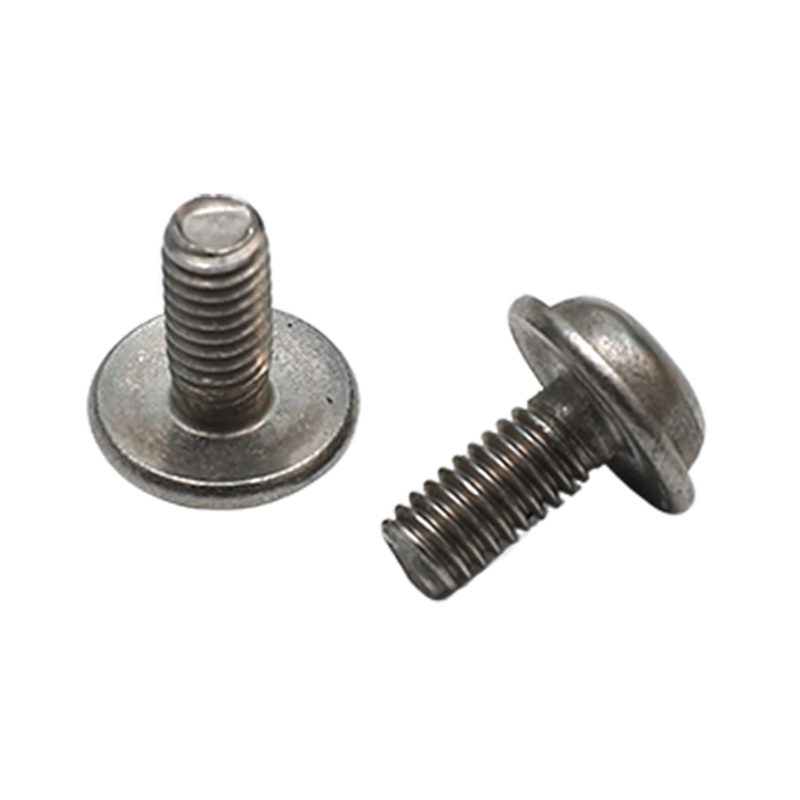
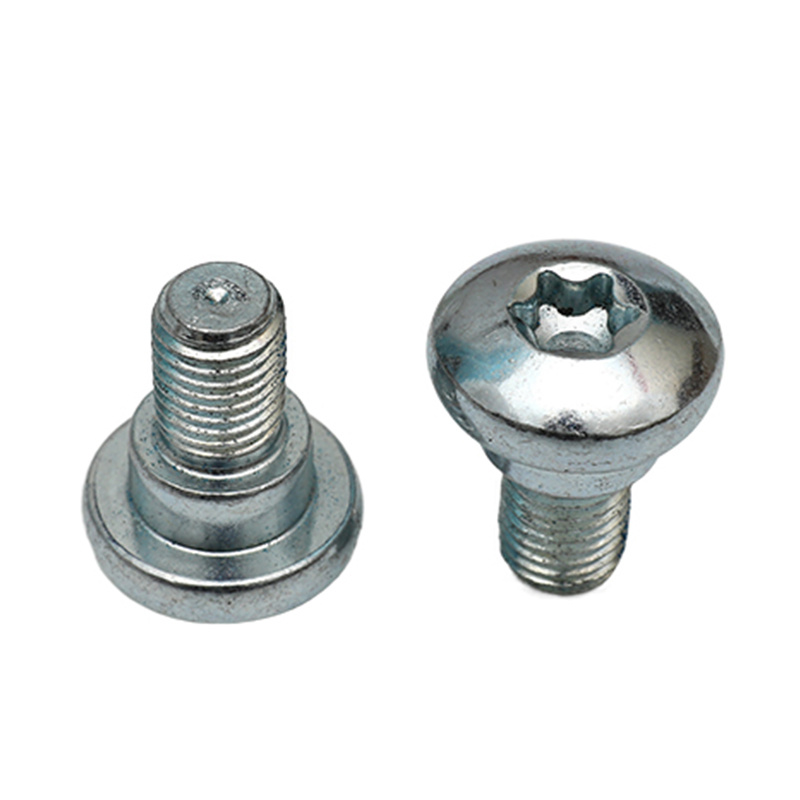
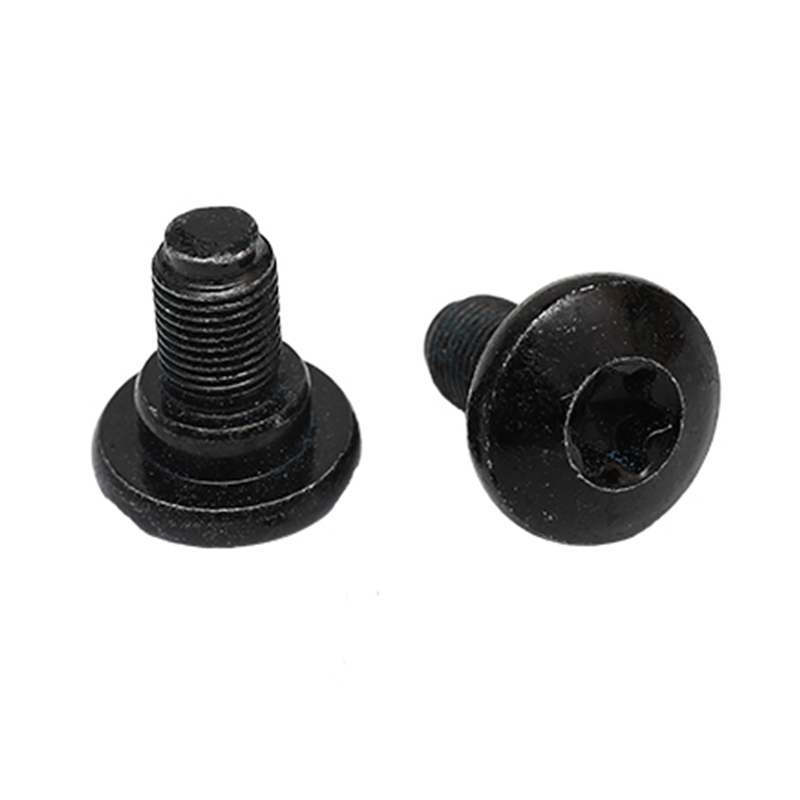
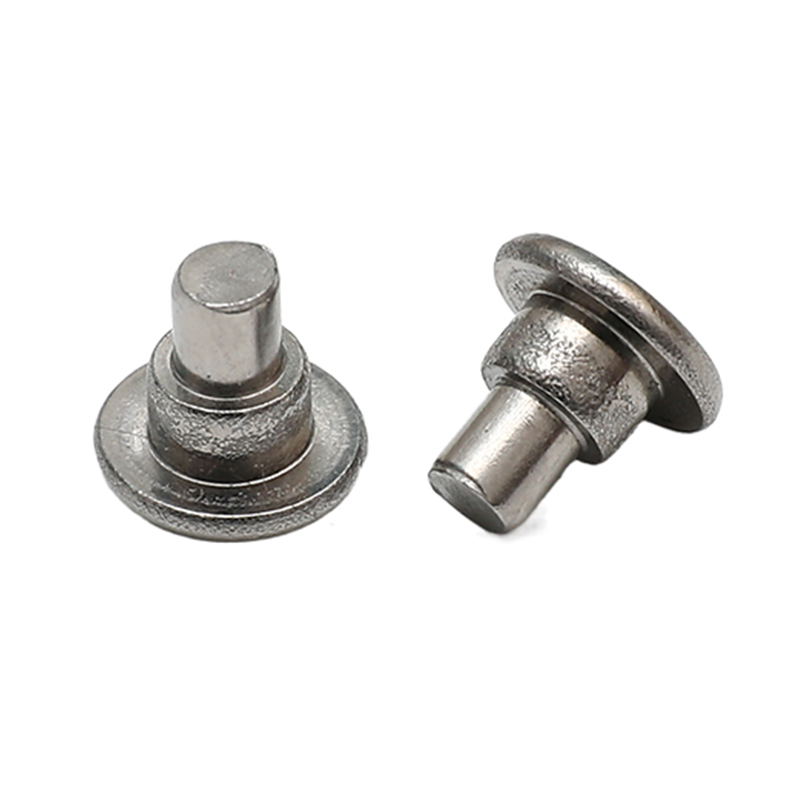
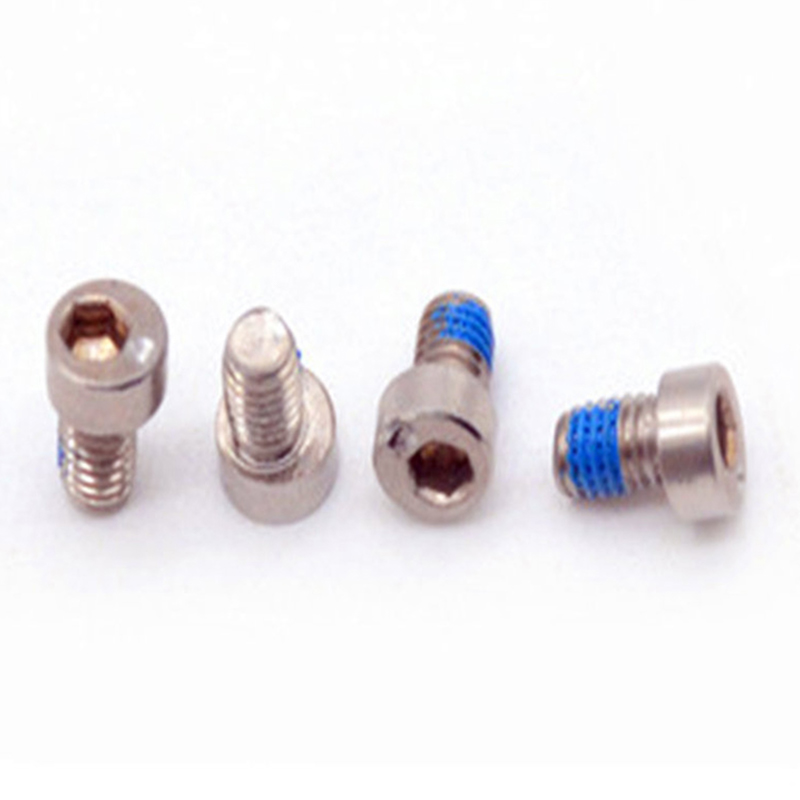
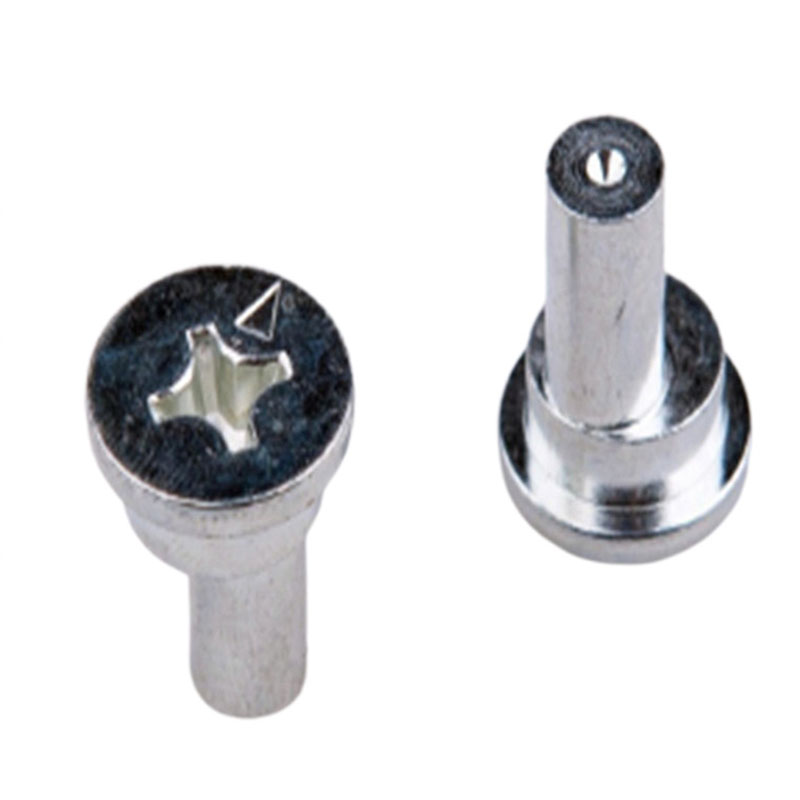
Non-standard screws are usually selected when a standard screw cannot match the product’s structure, function, appearance, or assembly process. The customization may involve head shape, thread length, shoulder diameter, reduced shank, tip design, drive type, surface treatment, anti-loosening structure, or special miniature dimensions.
Buyers should consider a non-standard design when repeated problems appear in assembly, such as insufficient head clearance, slipping drive recess, thread stripping, loosening after vibration, poor sealing, visible surface mismatch, or unstable automatic feeding. Customization is most valuable when it removes a specific fastening risk that standard parts cannot solve.
Common reasons to customize
- The screw needs a special head height, head diameter, countersunk angle, or low-profile structure.
- The thread length, shank diameter, shoulder, or tip shape must match a special assembly hole.
- The product requires anti-loosening, waterproofing, captive retention, decorative finishing, or special security drive design.
- The assembly uses miniature screws with strict dimensional and appearance control.
- The buyer needs stable batch production for a screw that is not available as a standard item.
At Anzhikou, we often help customers review whether a standard screw can be adjusted slightly or whether a fully customized structure is more practical for long-term production.
Turning a Drawing or Sample into a Manufacturable Screw
For customized screw orders, a drawing or sample is only the starting point. Buyers should also confirm which dimensions are critical, which tolerances are functional, which surfaces are visible, and which features affect assembly. This helps avoid over-tight tolerances that increase cost without improving performance.
Practical information that improves non-standard screw quotation and sampling accuracy
| Information to Provide |
Why It Matters |
Buyer Reminder |
| Complete drawing or physical sample |
Clarifies size, structure, and special features |
Mark critical dimensions clearly |
| Material and surface treatment |
Affects strength, corrosion resistance, appearance, and thread fit |
Confirm coating thickness when tolerance is tight |
| Mating part and assembly method |
Determines torque, thread engagement, and tool access |
Test with real parts before mass production |
| Functional requirement |
May involve anti-loosening, sealing, retention, conductivity, or decoration |
Define the acceptance standard early |
With 20 years of non-standard screw customization experience, Anzhikou can support buyers from drawing review to sample confirmation and batch production planning.
Balancing Precision, Cost, and Mass Production Stability
Non-standard screw projects often include special features that look simple on a drawing but are difficult to keep stable in mass production. Very thin heads, deep drives, long slender bodies, small shoulders, special tips, narrow grooves, or strict appearance finishes may require careful process planning.
Buyers should separate necessary precision from unnecessary tightness. A critical assembly dimension may need strict tolerance, while a non-functional appearance edge may allow a wider range. Good customization does not mean making every dimension as tight as possible; it means controlling the dimensions that truly affect performance.
Practical process review points
- Review whether the part is suitable for cold heading, thread rolling, CNC processing, or combined processing.
- Confirm whether the drive depth and head thickness provide enough tool strength.
- Check whether surface treatment will change important dimensions or thread fit.
- Evaluate whether the screw can be inspected with standard tools or needs custom gauges.
- Run sample assembly testing before approving large batch production.
Anzhikou has introduced more than 200 sets of precision equipment from Taiwan and Japan, including cold heading, thread rolling, CNC, and anti-loosing equipment, helping us improve process stability for customized screw structures.
Inspection Planning for Customized Screw Orders
Customized screw inspection should be planned according to the product’s actual risk points. A non-standard screw may need more than standard thread and length checks, especially when it includes special head geometry, anti-loosening treatment, sealing structure, decorative surface, or miniature dimensions.
Inspection planning should include dimensional control, appearance standards, functional testing, packaging protection, and batch traceability. The inspection standard should match the screw’s final function, not only the drawing format.
Recommended inspection items
- Thread size, pitch, length, head diameter, head height, drive depth, and total length.
- Special structure checks, such as shoulder size, reduced shank, sealing area, or custom tip shape.
- Functional testing for torque, locking force, waterproofing, retention, or repeated assembly when required.
- Surface finish, coating thickness, burr control, color consistency, scratches, and stains.
- Packaging method to prevent mixed specifications, deformation, surface damage, and contamination.
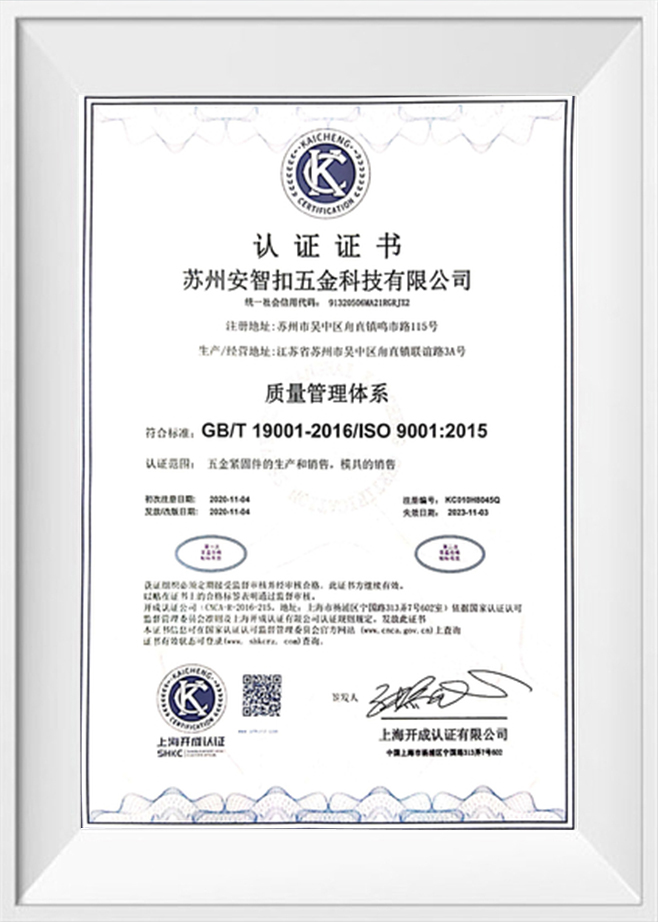
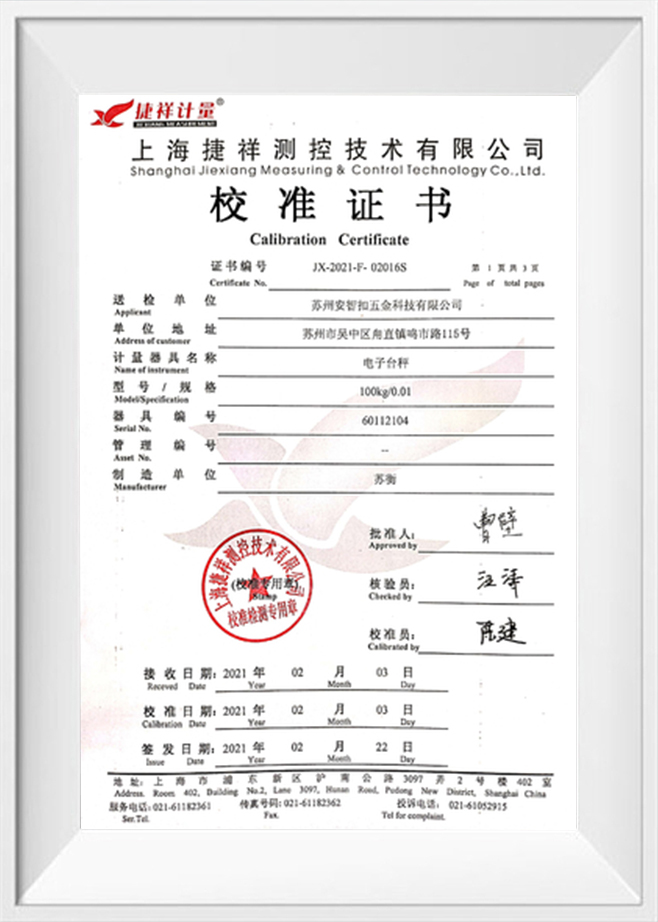
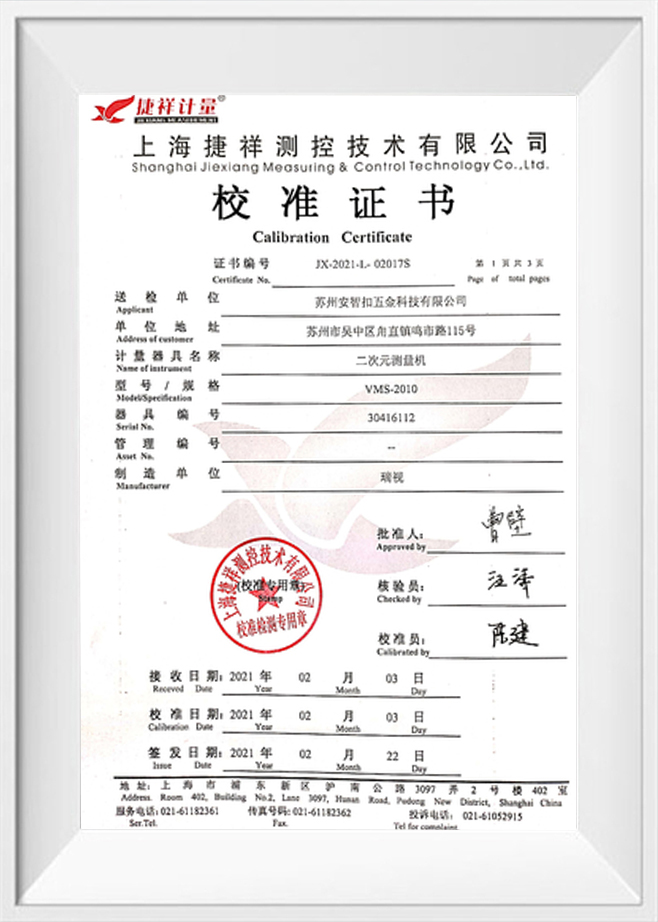
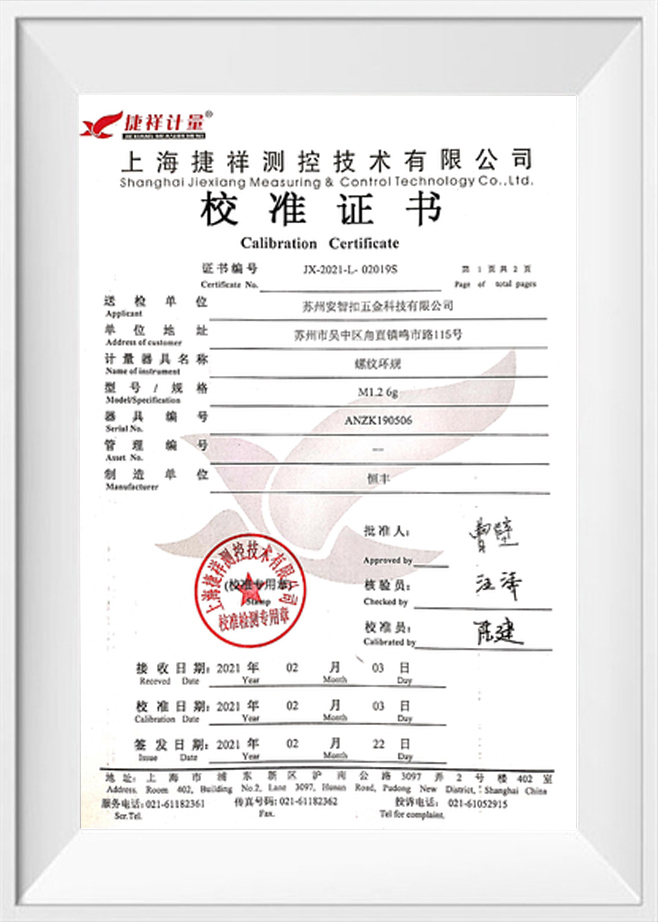
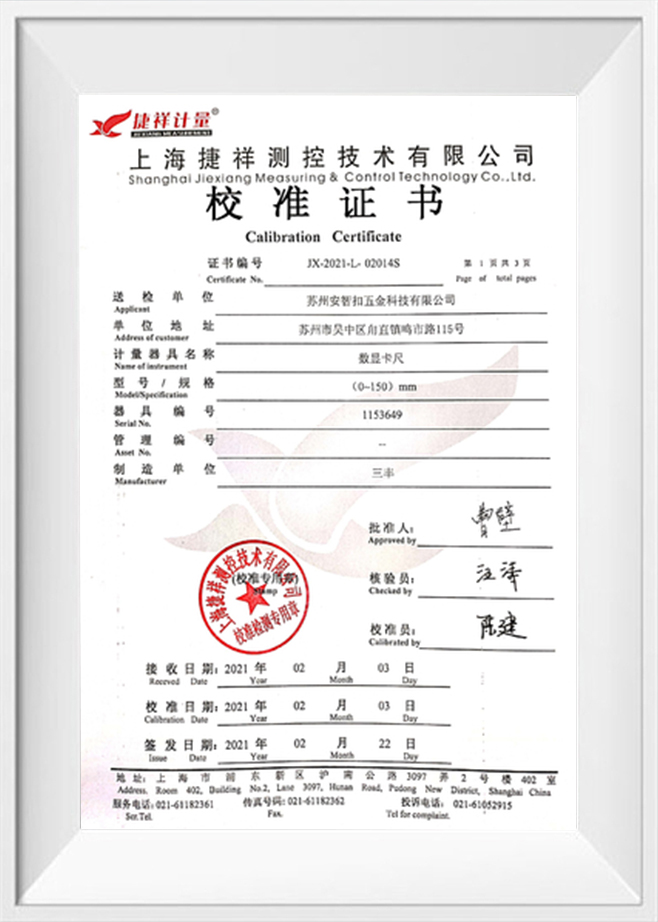
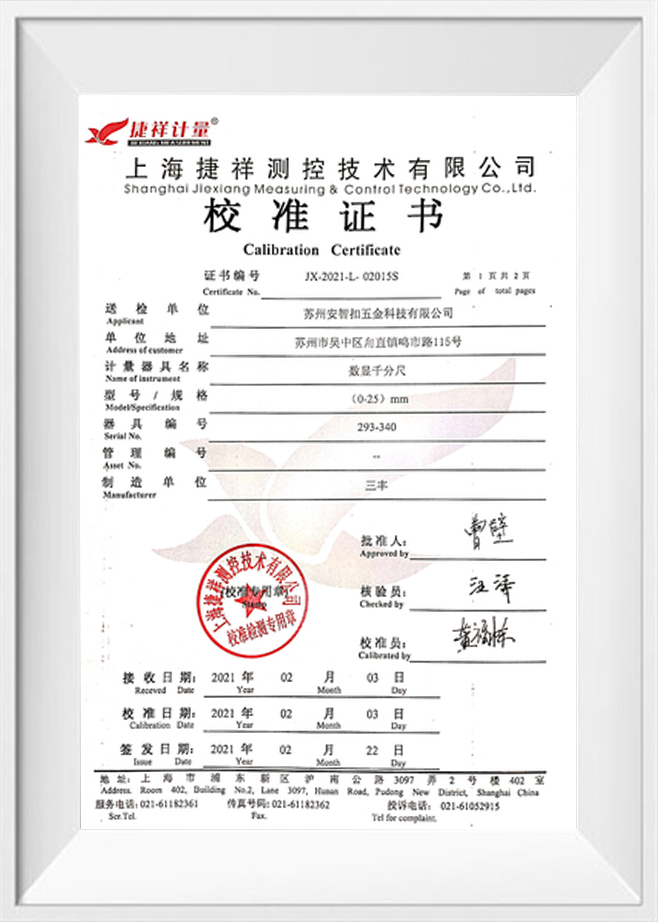
Because Anzhikou has complete testing equipment and has passed ISO9001:2015 quality system certification, we can help buyers establish practical quality control points for non-standard screw sampling and mass delivery.

 English
 Español
.jpg "New design stainless steel hex head step eccentric screw")
.jpg "Set of cross drive furniture fitting cam lock eccentric screw")
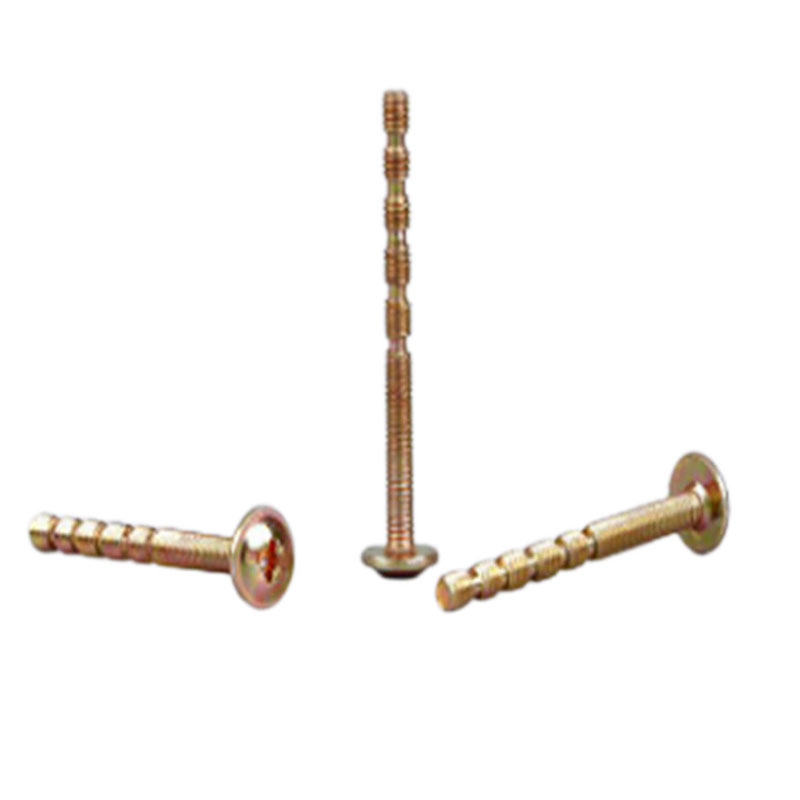
.jpg "M4 galvanized connecting bamboo shaped screw for door handle")
.jpg "M4 pan head cross connecting bamboo shaped screw for door handle")
.jpg "M4 pan head cross recessed bamboo shaped screw for door handle")