Industry knowledge
How Thread Geometry Improves Locking Performance
Locking Screws are often selected for assemblies exposed to vibration, repeated movement, or changing load conditions. One practical locking principle is to use thread geometry to increase resistance after tightening. When the thread structure creates a wedging effect, the locking force is not concentrated on one point but distributed across the engaged thread area.
In some anti-loose designs, the thread bottom includes a special inclined surface. When tightened, the thread contact force can generate a stronger normal force against loosening. Good locking performance depends on stable thread engagement, correct torque, and controlled contact pressure.
Buyer checks for thread-based locking designs
- Confirm whether the mating nut or internal thread is compatible with the screw thread design.
- Define the tightening torque range instead of relying only on hand feel.
- Check whether the screw will be used once or repeatedly disassembled.
- Evaluate vibration level, shear load, and service temperature before selecting the locking method.
- Test the screw in the real mating part when the assembly uses plastic, aluminum, thin sheet metal, or soft materials.
At Anzhikou, we usually recommend evaluating locking screws together with the mating part and assembly process. This helps avoid over-tightening, thread damage, or insufficient locking force in mass production.
When Nylon Patch Screws Are More Suitable Than Liquid Adhesive
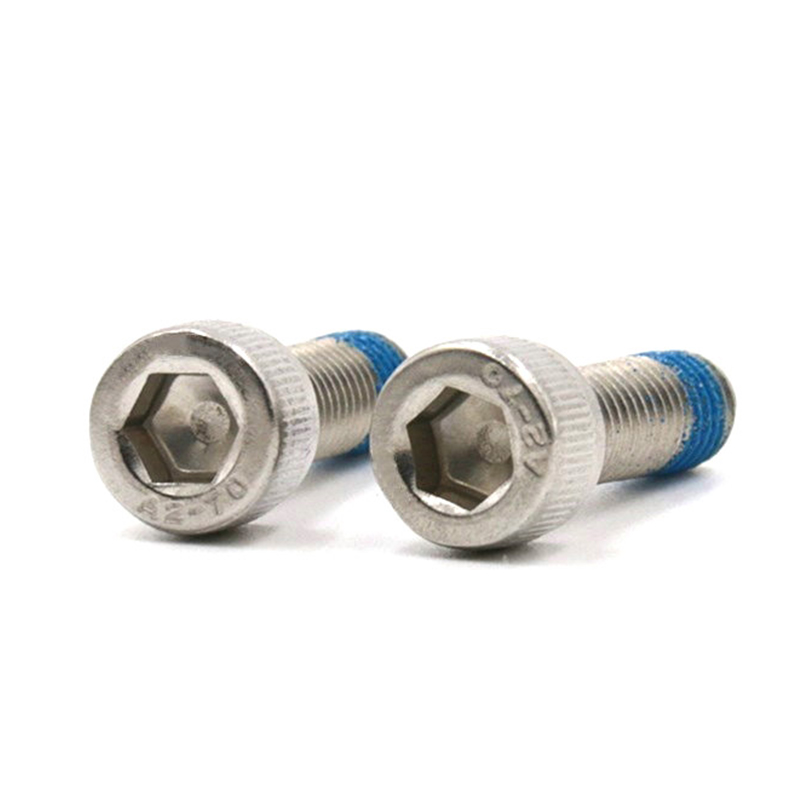
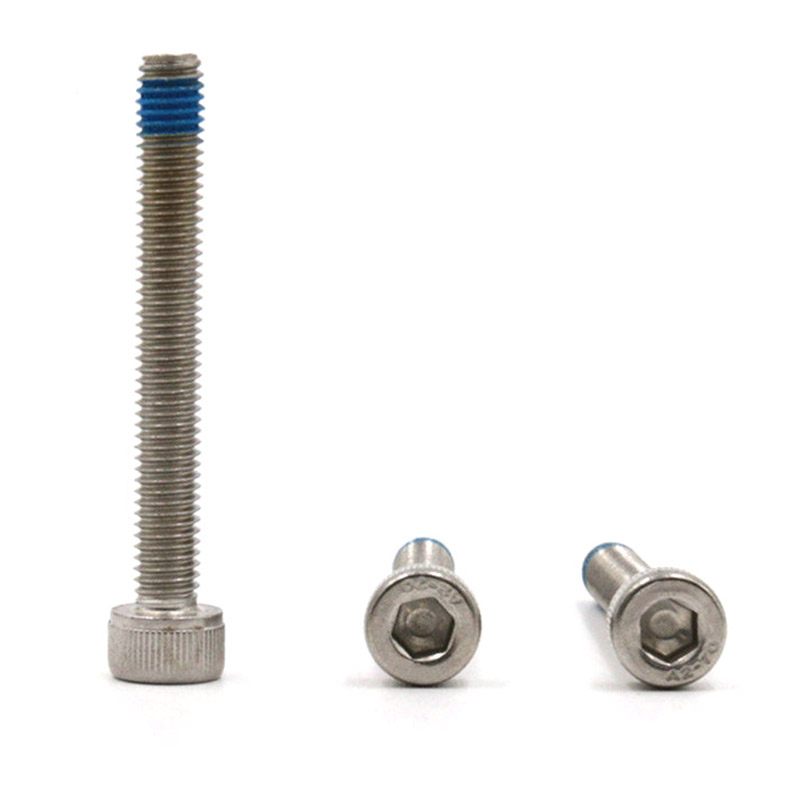
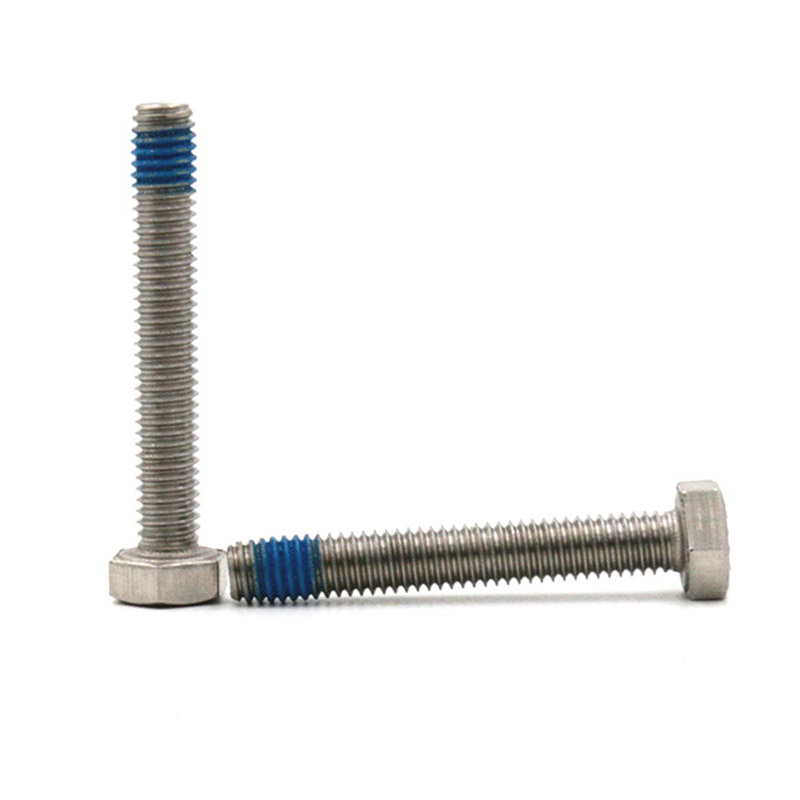
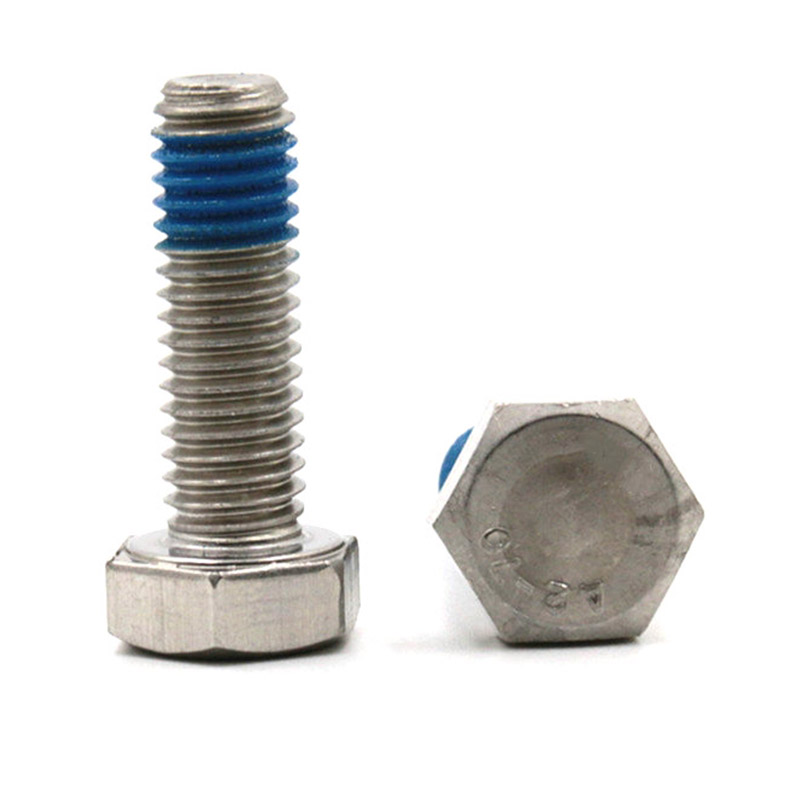
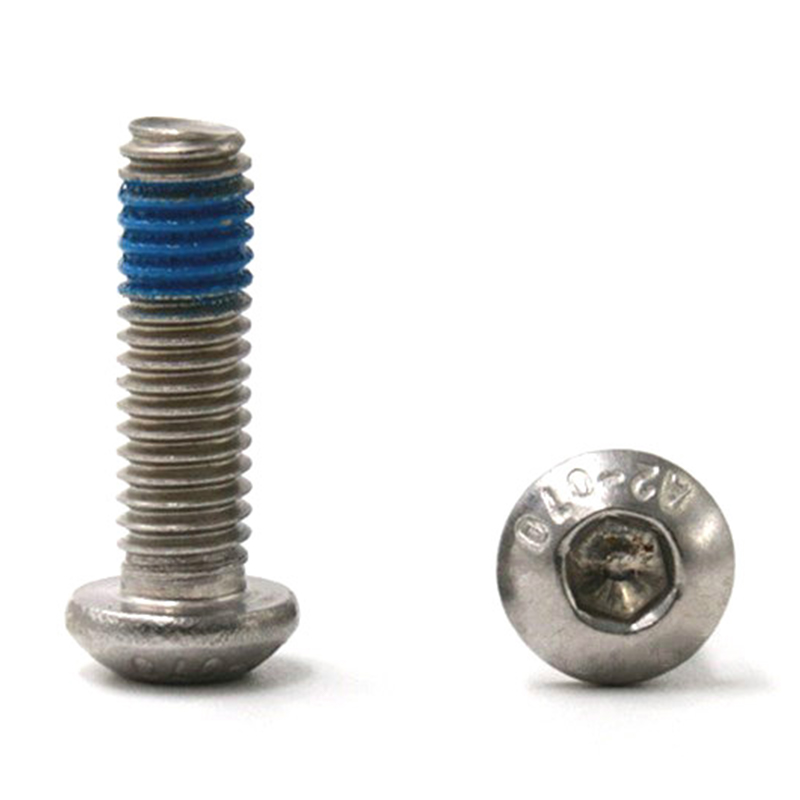
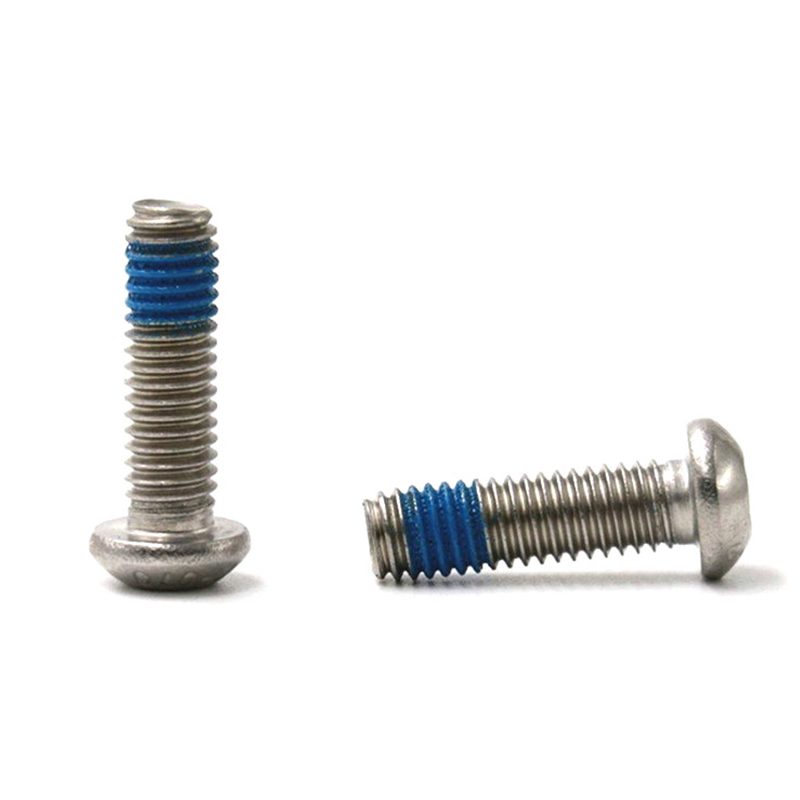
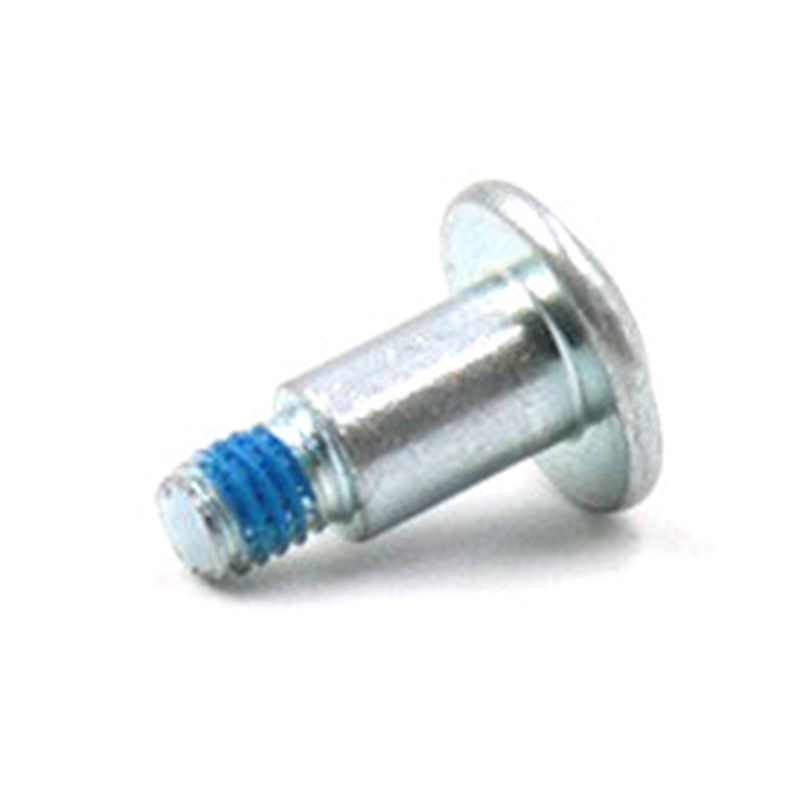
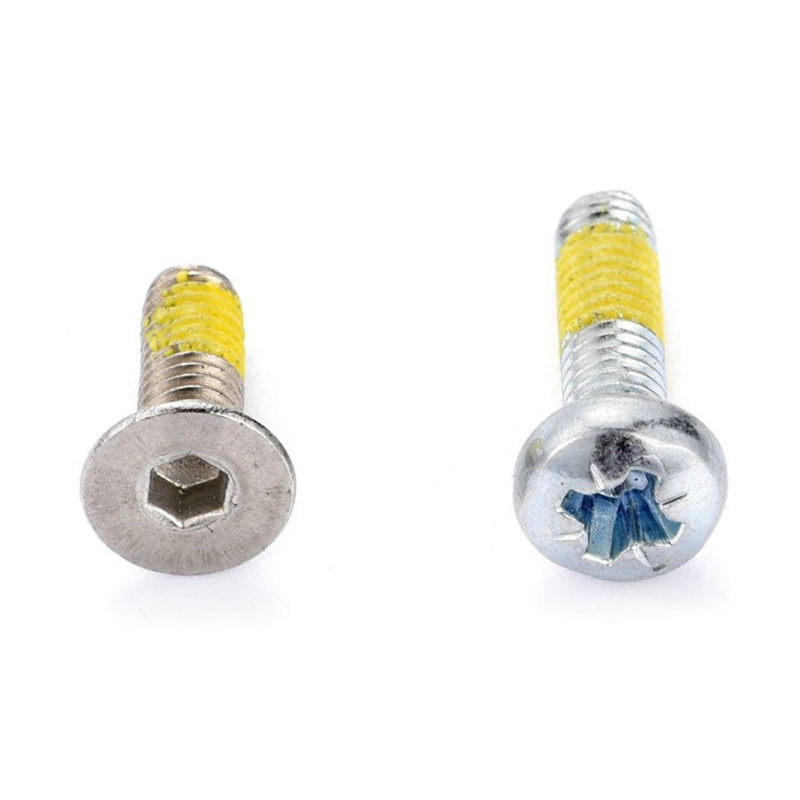
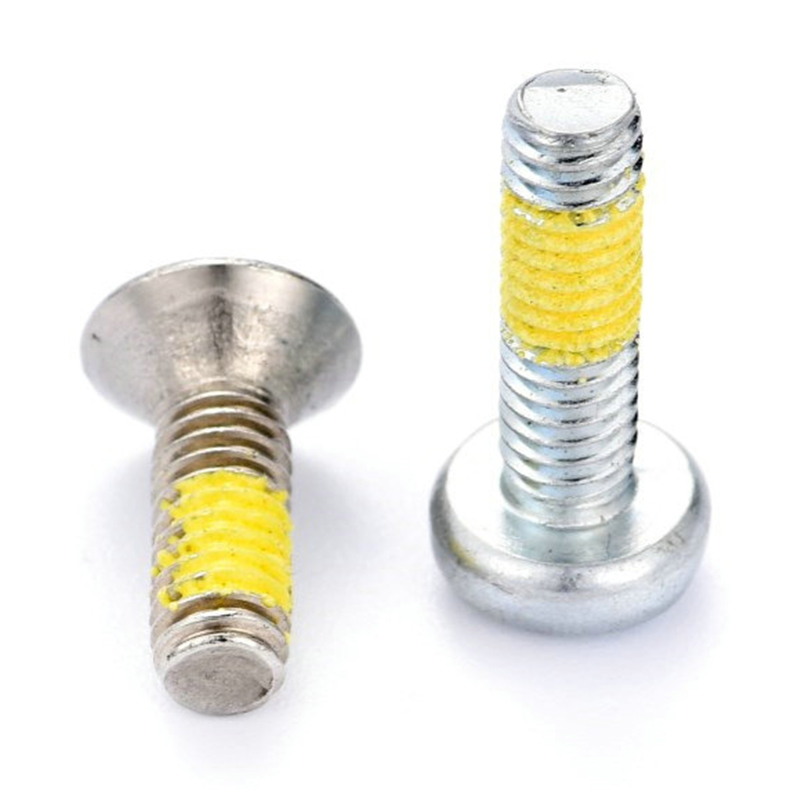
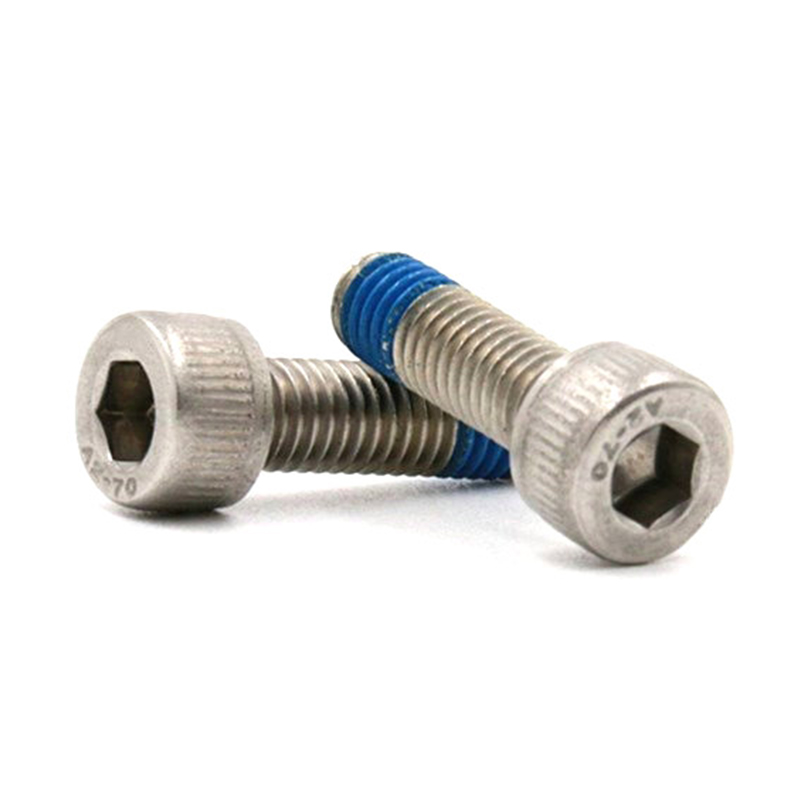
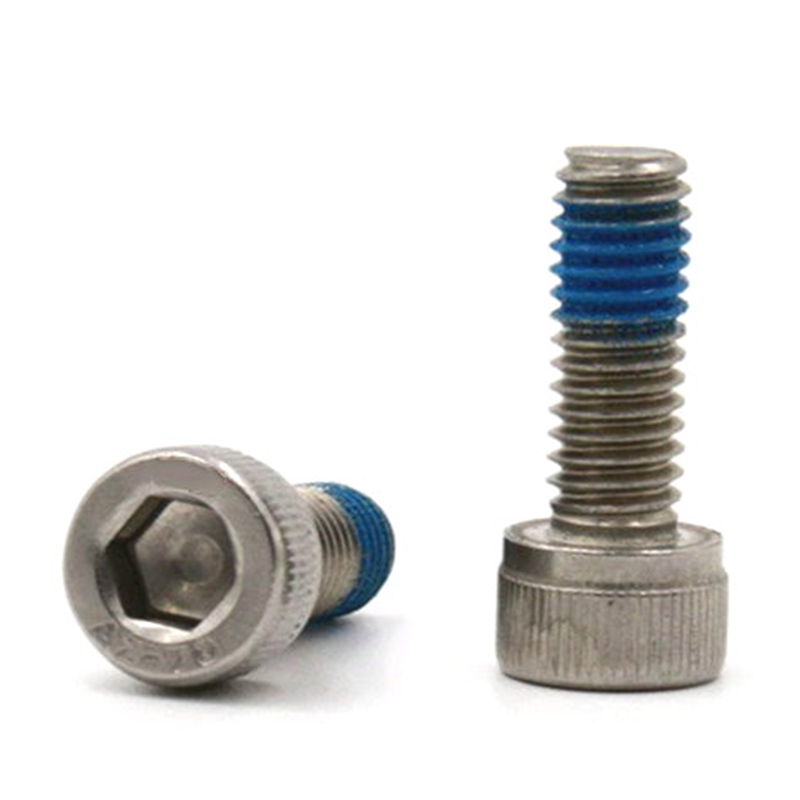
Nylon Patch Screws use a pre-applied nylon locking area on the thread. During assembly, the nylon patch increases friction between the screw and mating thread, helping resist loosening caused by vibration. Compared with manually applied liquid adhesive, nylon patch treatment offers better consistency for batch assembly.
Selection reference for common anti-loosening screw solutions
| Locking Method |
Main Advantage |
Buyer Attention Point |
| Nylon patch |
Stable friction, clean assembly, suitable for repeated production |
Patch position, patch length, and locking torque need confirmation |
| Liquid thread adhesive |
Flexible for small batches and maintenance use |
Manual amount may vary and curing conditions should be controlled |
| Serrated bearing surface |
Improves grip under the screw head |
May mark the contact surface after tightening |
| Special thread locking structure |
Improves vibration resistance through thread engagement |
Requires matching thread design and assembly testing |
With anti-loosing processing equipment and long-term fastener customization experience, Anzhikou can help buyers select nylon patch position, coating length, and torque range according to the final product structure.
Repeated Assembly Performance and Locking Force Retention
For products that require repair, adjustment, battery replacement, module replacement, or routine maintenance, repeated assembly performance is important. Some locking structures can lose effectiveness after several tightening and disassembly cycles, while better anti-loose designs maintain a more stable locking force over repeated use.
According to practical testing principles, repeated tightening tests should measure whether the locking force drops sharply after multiple cycles. In many anti-loose screw applications, buyers may require testing after dozens of repeated assembly cycles. If a screw must be reused, locking force retention should be tested, not assumed.
Useful repeated-use test items
- Measure initial driving torque and removal torque before repeated cycling.
- Repeat tightening and disassembly under the same tool, speed, and torque conditions.
- Check thread wear, nylon patch wear, coating damage, and head drive damage after testing.
- Compare locking torque after repeated cycles with the required assembly standard.
- Inspect the mating thread because failure may come from the screw, nut, insert, or plastic boss.
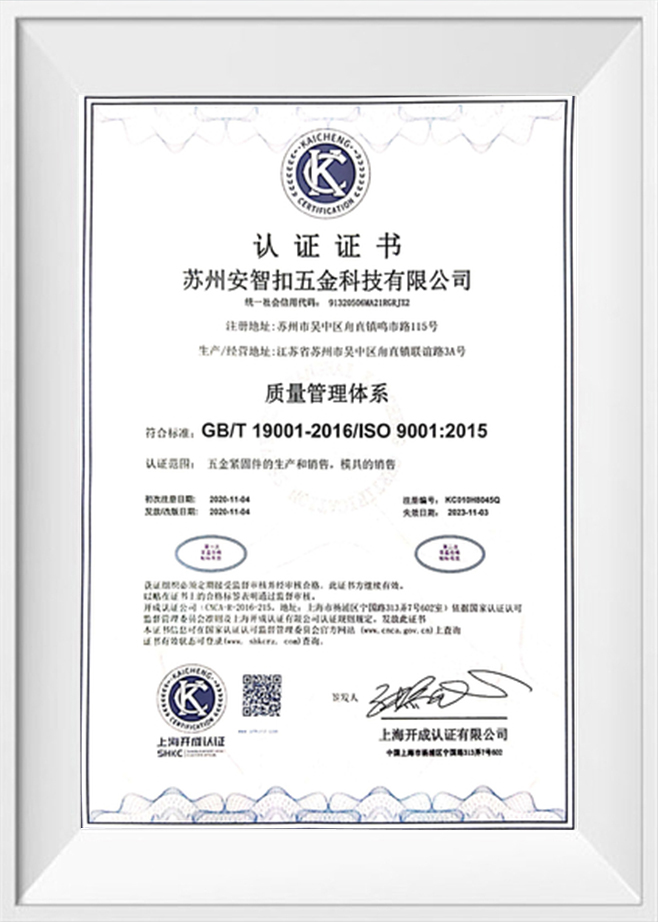
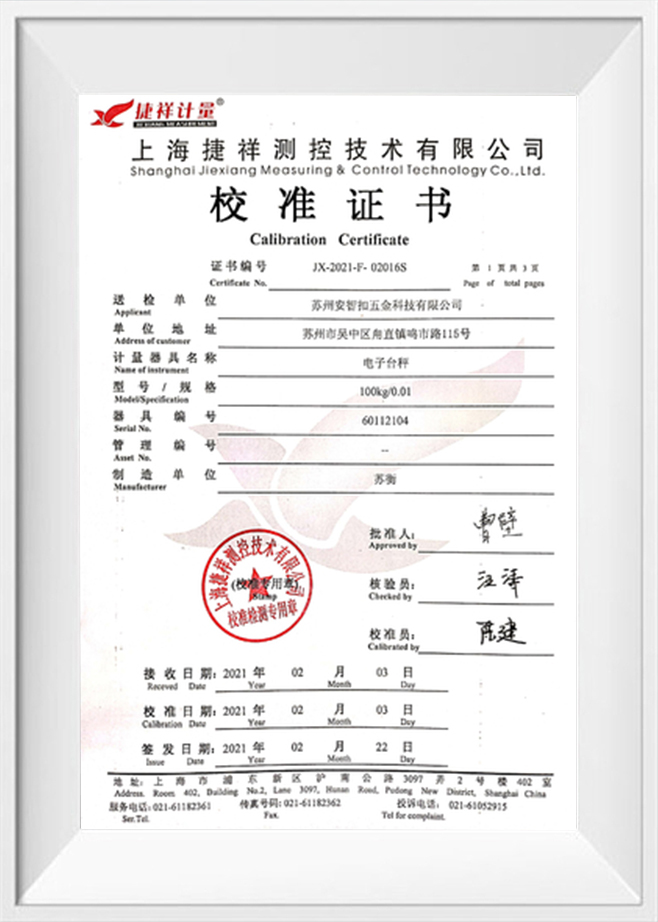
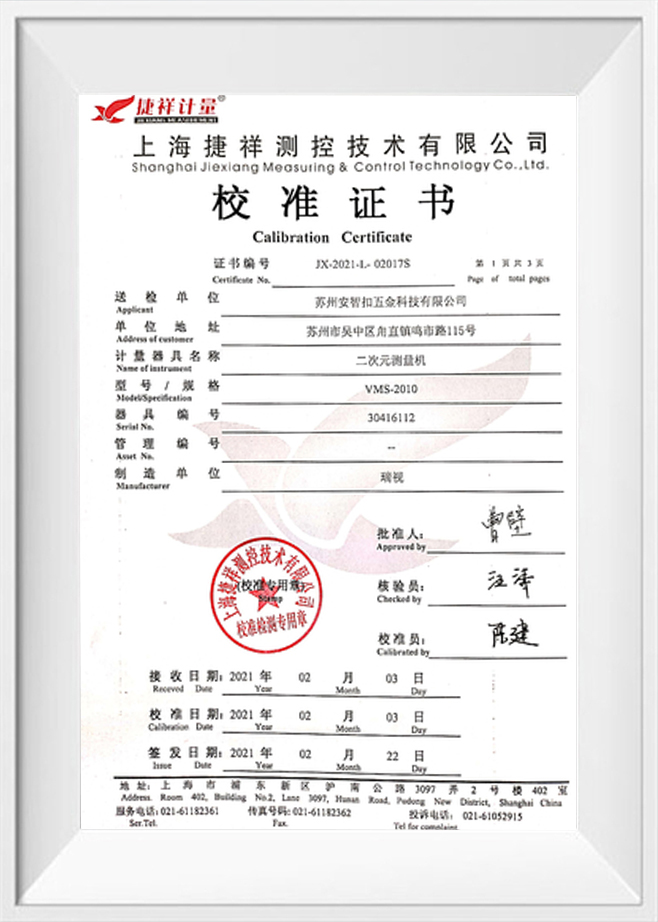
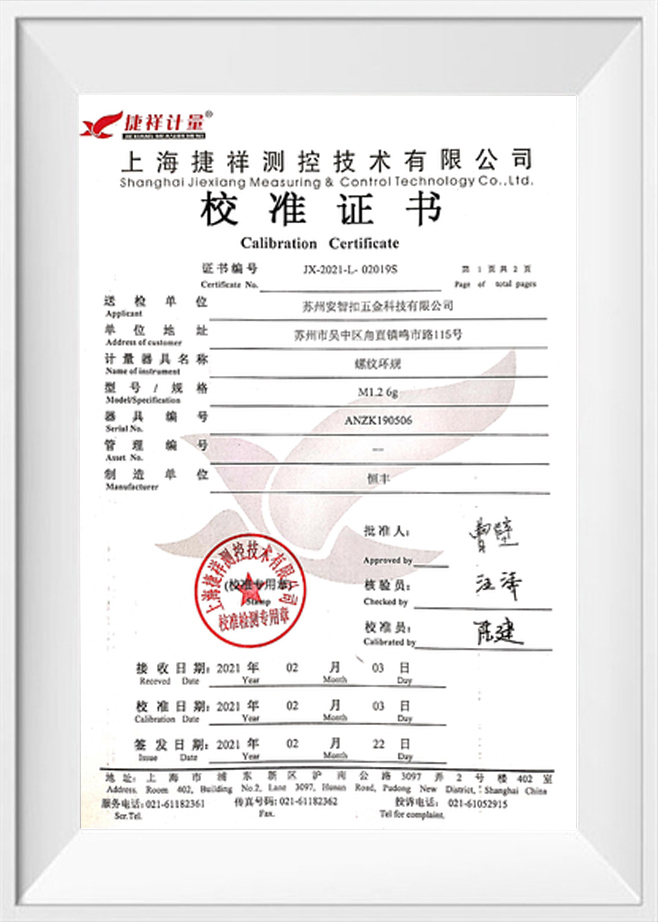
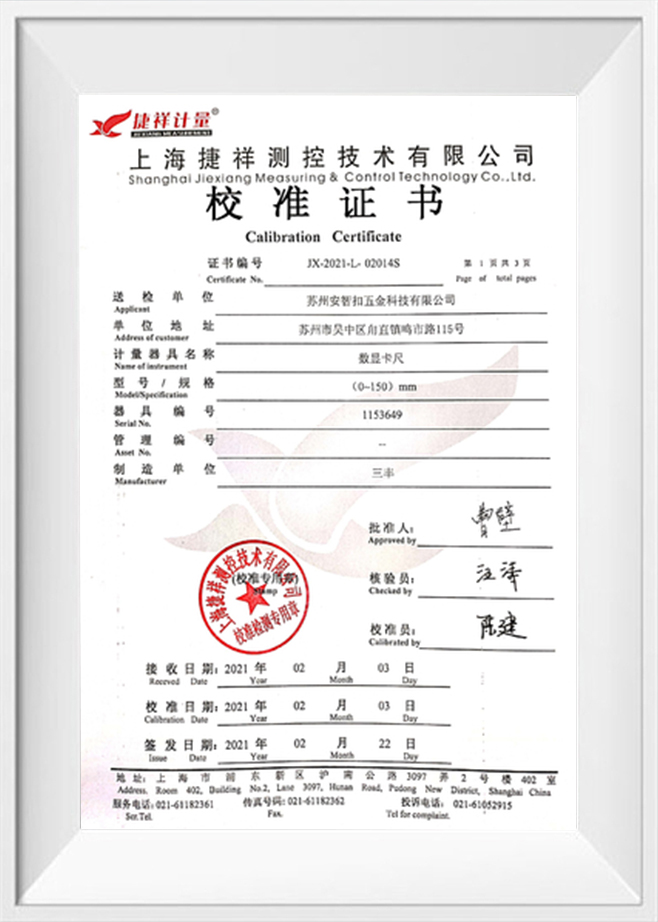
Anzhikou has complete testing equipment and ISO9001:2015 quality system certification, so we can support customers in setting practical inspection standards for locking force, thread fit, and repeated assembly performance.
Wear, Shear, and Mating Material Considerations
Anti-loose screws should be evaluated not only by whether they resist loosening, but also by whether they protect the thread engagement area. When the locking force is distributed evenly across the thread teeth, the risk of local thread wear and shear deformation can be reduced. This is especially useful in assemblies exposed to vibration, impact, or repeated tightening.
The mating material strongly affects performance. Steel nuts, aluminum parts, copper inserts, plastic bosses, and thin sheet metal threads all respond differently to locking friction and tightening force. The same locking screw may perform differently when the mating material changes.
Practical selection suggestions
- Use higher locking torque cautiously in soft materials to avoid thread stripping.
- Confirm whether the screw needs anti-loose performance after plating or surface treatment.
- For miniature screws, check drive strength because high locking torque can increase slipping risk.
- For visible parts, consider whether nylon patch color, coating marks, or surface scratches are acceptable.
- For high-volume assembly, confirm automatic feeding compatibility before mass production.
With 20 years of nylon patch screws customization experience and more than 200 sets of precision equipment, Anzhikou can provide customized anti-loose screw solutions for different size, material, torque, and quantity requirements.

 English
 Español
.jpg "M4 stainless steel 304 hex socket cup head screw with nylon patch")